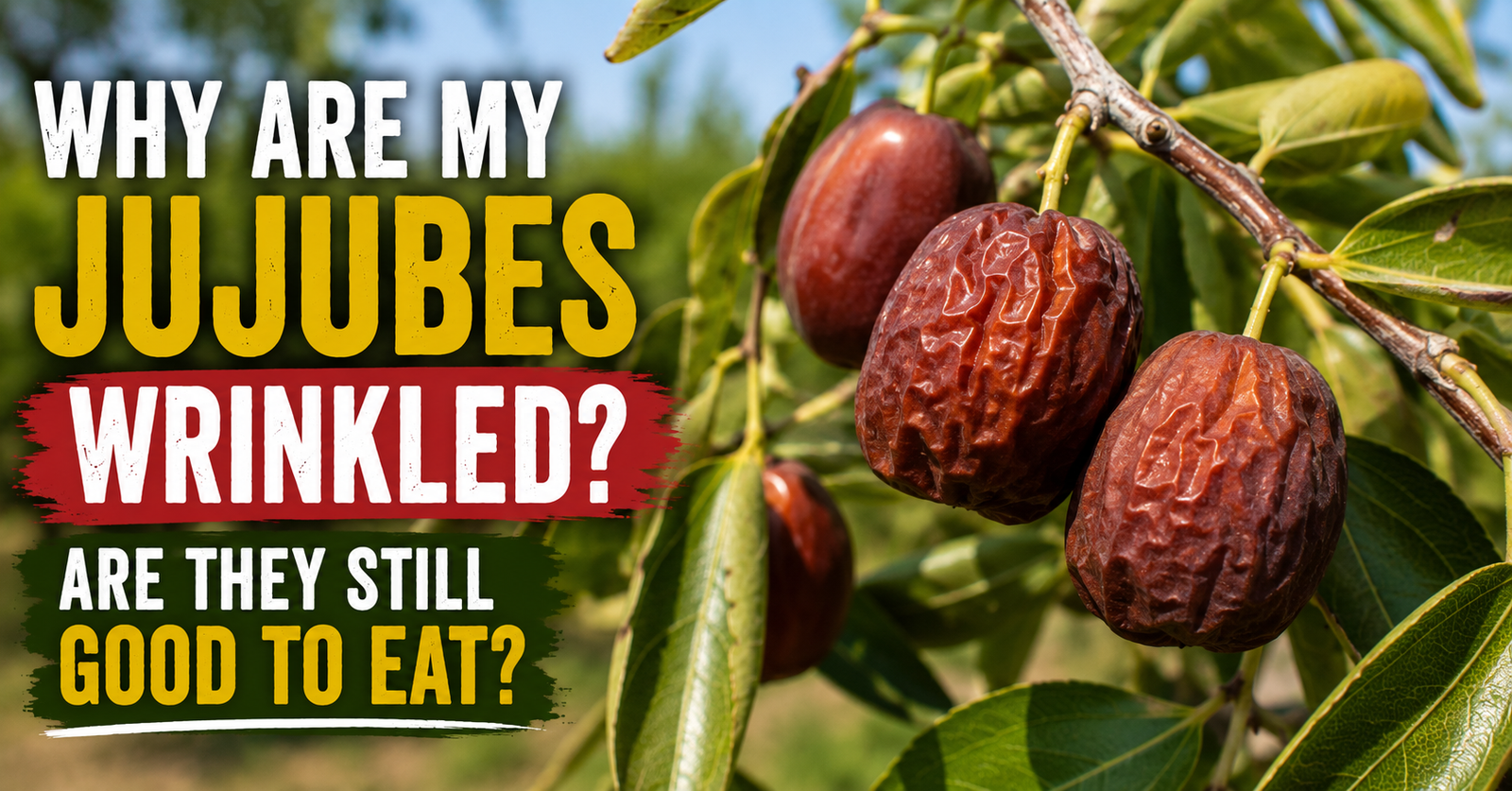
The first time I grew jujubes, I remember looking at some of the fruit hanging on the tree and wondering if something had gone wrong.
Some were smooth and crisp.
Others were turning brown.
A few had started wrinkling.
My first thought was that I had waited too long.
It turns out I was wrong.
After growing jujubes for several years now, I’ve actually found that some of my favorite fruit is the wrinkled fruit that’s been left on the tree just a little longer.
In fact, if you handed me a basket of perfectly smooth jujubes and another basket of darker, slightly wrinkled ones, I’d probably reach for the wrinkled fruit first.
If you’re new to growing this unique fruit, I’d recommend starting with What Is a Jujube Fruit and What Does It Taste Like?. It explains why jujubes are unlike almost any other fruit you’ll find growing in an American backyard.
Wrinkled Doesn’t Mean They’re Bad
This is probably the biggest misunderstanding about jujubes.
With peaches, strawberries, and many other fruits, wrinkles usually mean the fruit is overripe or beginning to spoil.
Jujubes don’t always work that way.
As they continue maturing, they naturally lose moisture.
That moisture loss causes the skin to wrinkle while the sugars become more concentrated. The result is a fruit that’s often noticeably sweeter than it was just a few days earlier.
Because of that, I never throw away a wrinkled jujube just because of how it looks.
I taste it first.
More often than not, it’s excellent.
Why Do Jujubes Wrinkle?
The answer is actually pretty simple.
As the fruit ripens, it begins losing water.
Instead of becoming mushy like many fruits, jujubes slowly dry while still hanging on the tree.
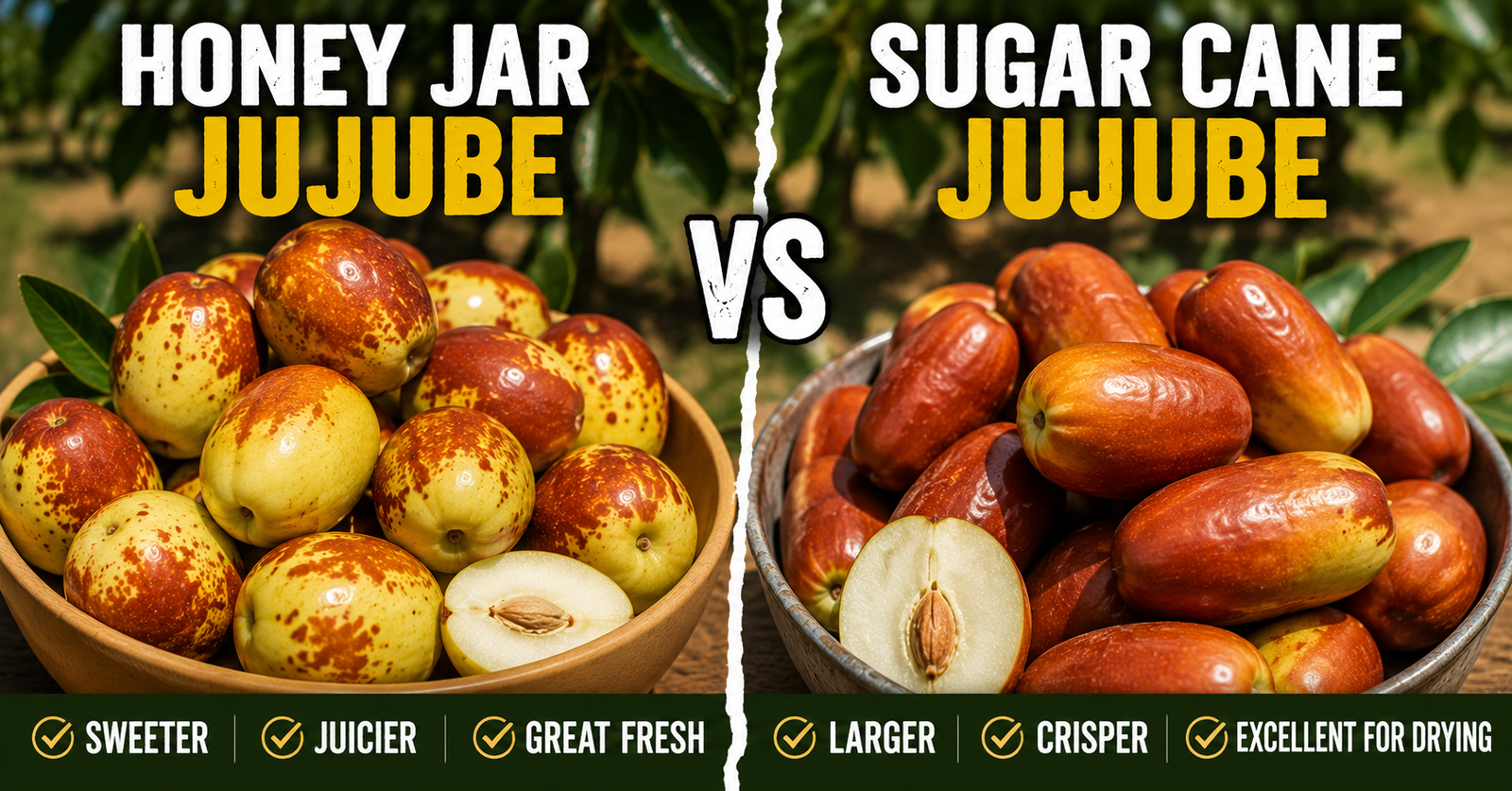
That’s why they’re sometimes called Chinese dates.
Eventually they begin resembling small dates both in appearance and sweetness.
One thing I’ve noticed on our farm is that this happens gradually.
A fruit might be crisp one week, mostly brown the next, and slightly wrinkled a few days later.
Every stage tastes a little different.
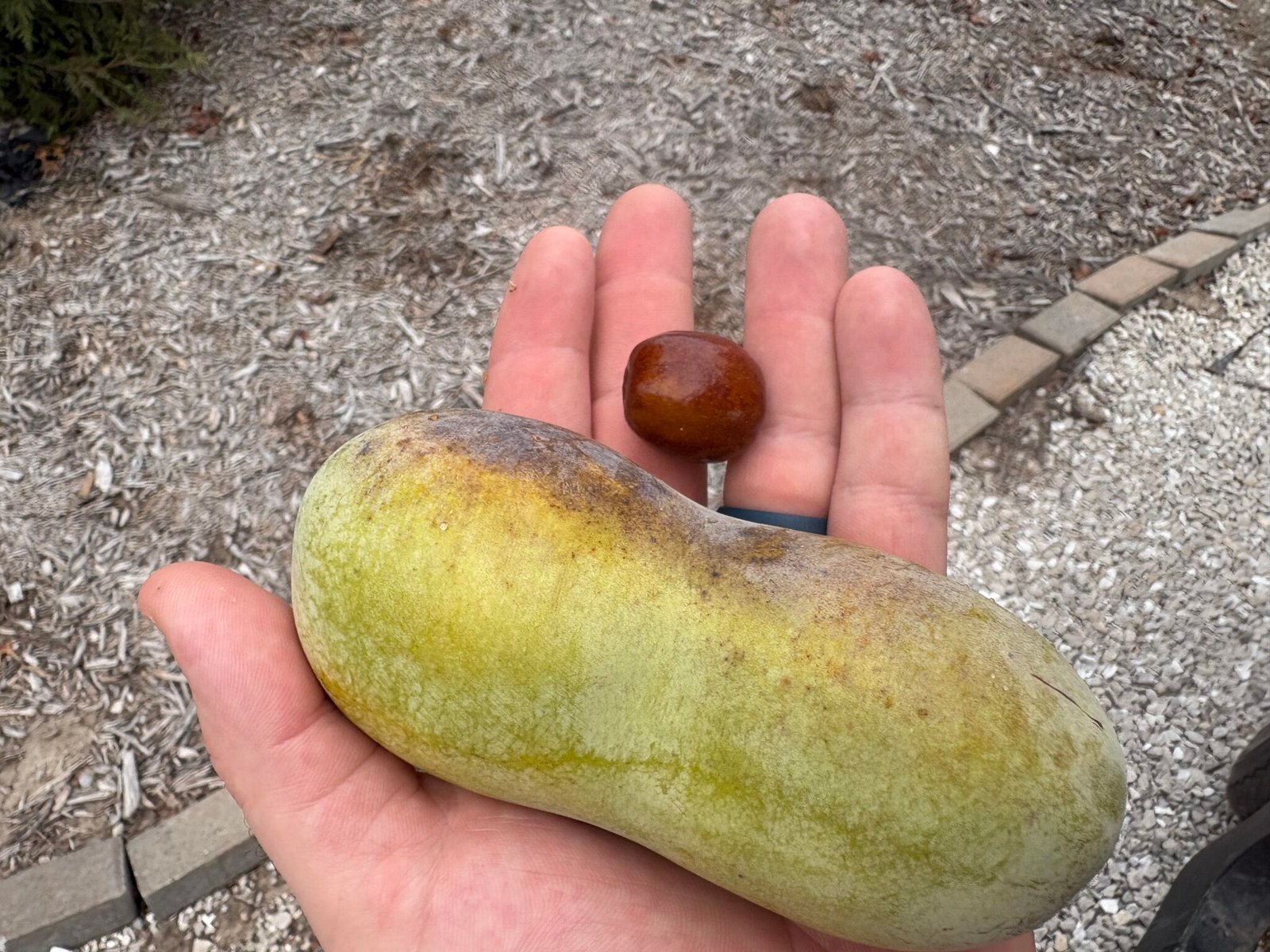
I Actually Prefer Them a Little Wrinkled
This is where my opinion might differ from some growers.
A lot of people love jujubes while they’re still firm and crunchy.
I do too.
But if I had to choose just one stage, I’d wait a little longer.
Once they’ve turned mostly dark brown and begin wrinkling just slightly, I think the flavor really comes alive.
The apple-like taste is still there, but now I also notice flavors that remind me of dates, caramel, and even a little molasses.
The texture changes too.
Instead of being crisp like an apple, they become softer and chewier.
That’s my favorite way to eat them.
If you’ve only tried green or partially brown jujubes, I’d encourage you to let a few stay on the tree longer and compare them yourself.
You may end up liking them even more than I do.
Not Every Wrinkled Jujube Is the Same
There’s a difference between naturally wrinkled fruit and fruit that’s actually spoiled.
A healthy wrinkled jujube should still look clean.
It shouldn’t have mold.
It shouldn’t smell fermented.
It shouldn’t feel slimy.
Instead, it should simply look slightly dried while remaining firm enough to handle.
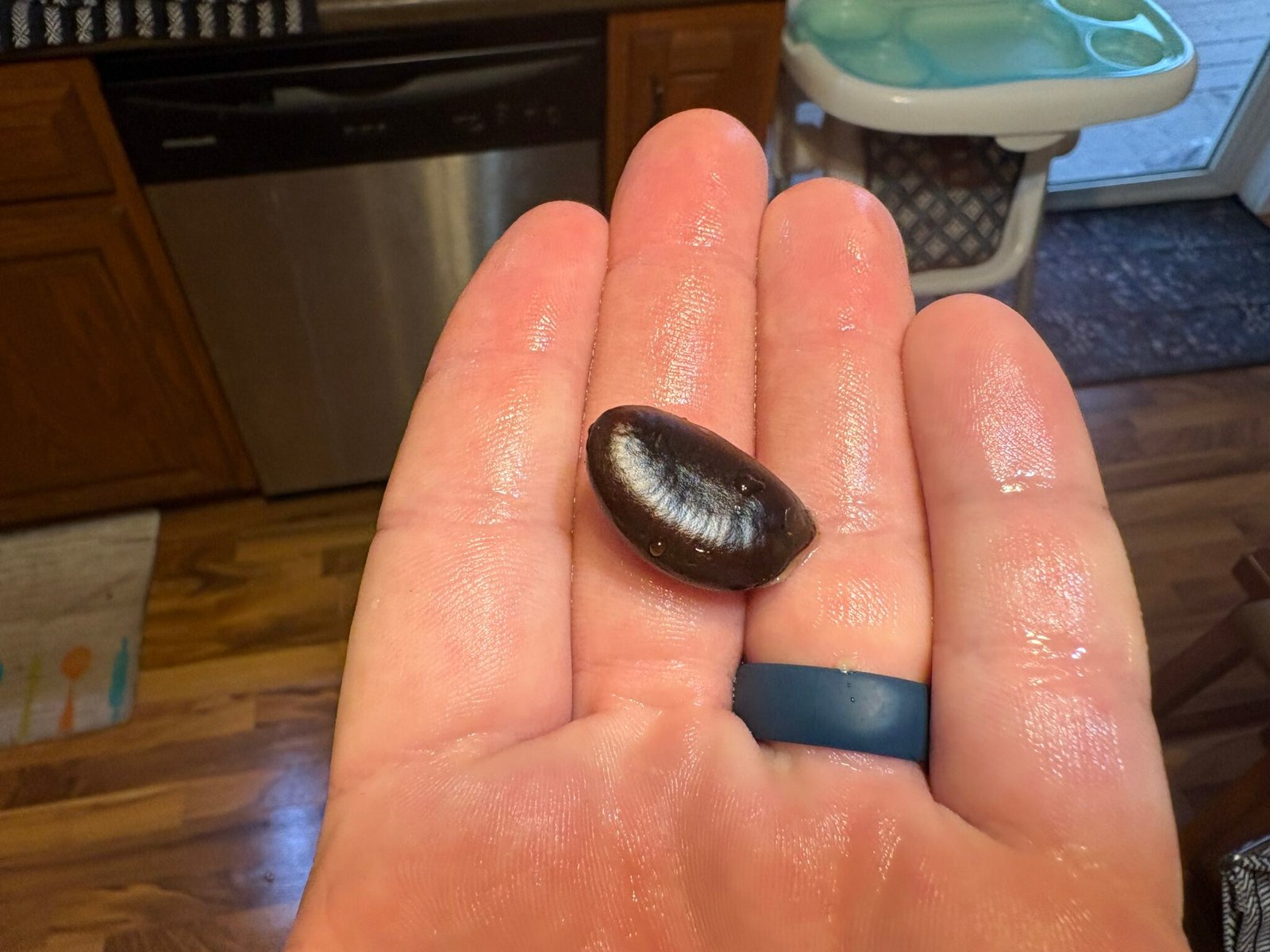
When in doubt, cut one open.
Healthy fruit will still have clean flesh surrounding the pit.
Weather Can Change Everything
One thing I’ve learned is that no two harvest seasons are exactly alike.
Hot, dry weather often causes fruit to wrinkle a little faster.
Rainy periods can slow the process.
Even fruit growing on different parts of the same tree may mature at different speeds.
That’s why I never harvest our entire tree at once.
Instead, I walk out every few days and pick whichever fruit looks ready.
It’s one of my favorite parts of growing jujubes because the harvest stretches over several weeks instead of ending in a single afternoon. This staggered ripening is normal for jujube trees and is one reason many home growers harvest multiple times during the season.
Wrinkled Jujubes Store Surprisingly Well
Another nice thing about jujubes is that the fruit keeps remarkably well compared to many other fruits.
As they dry, they’re naturally becoming more shelf stable.
That’s one reason dried jujubes have been enjoyed for centuries.
They’re sweet, chewy, and store much longer than fresh fruit when properly dried.
What Can You Do With Wrinkled Jujubes?
One of the nice things about jujubes is that you don’t have to rush to use them the moment they’re picked.
When mine begin wrinkling, I usually just enjoy eating them fresh.
The flavor becomes much richer than when they’re still green, and I actually find myself reaching for those first.
If you have a larger harvest than you can eat fresh, wrinkled jujubes are also great for drying, making tea, or experimenting with homemade recipes.
I’m planning to share more ideas in future articles as we continue harvesting fruit here on our farm.
Should You Refrigerate Wrinkled Jujubes?
If I’m planning to eat them within a few days, I’ll usually refrigerate them to help keep them fresh a little longer.
If they’re already beginning to wrinkle naturally, refrigeration simply slows the process rather than stopping it completely.
One thing I don’t do is throw them away simply because they’ve developed wrinkles.
I’ve learned that appearance alone doesn’t tell you whether a jujube is good or bad.
When Should You Throw a Jujube Away?
Although wrinkles are perfectly normal, there are a few situations where I won’t eat one.
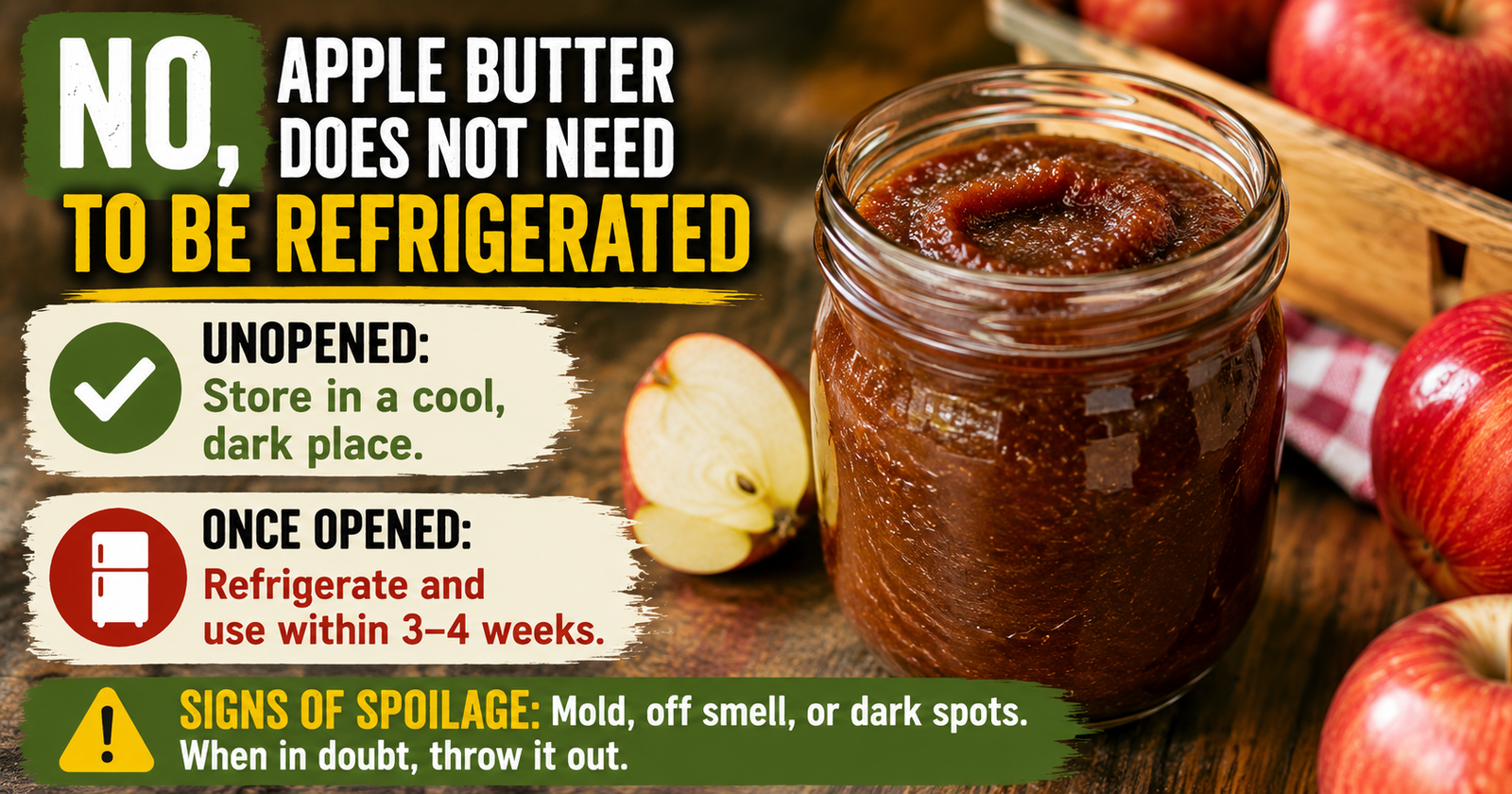
If the fruit develops mold, has an unpleasant fermented smell, or feels slimy instead of simply soft, it’s time to discard it.
Those signs are very different from the normal wrinkling that happens as the fruit naturally ripens.
When I’m unsure, I’ll simply cut the fruit open.
Healthy flesh should still look clean around the pit.
My Advice If You’re Growing Jujubes for the First Time
If this is your first season growing jujubes, don’t make the mistake of picking every fruit as soon as it changes color.
Instead, experiment.
Pick one while it’s still mostly green.
Leave another until it’s mostly brown.
Then let another stay on the tree long enough to wrinkle slightly.
That’s exactly how I learned which stage I enjoy most.
Everyone’s preference is a little different, and tasting each stage is part of the fun.
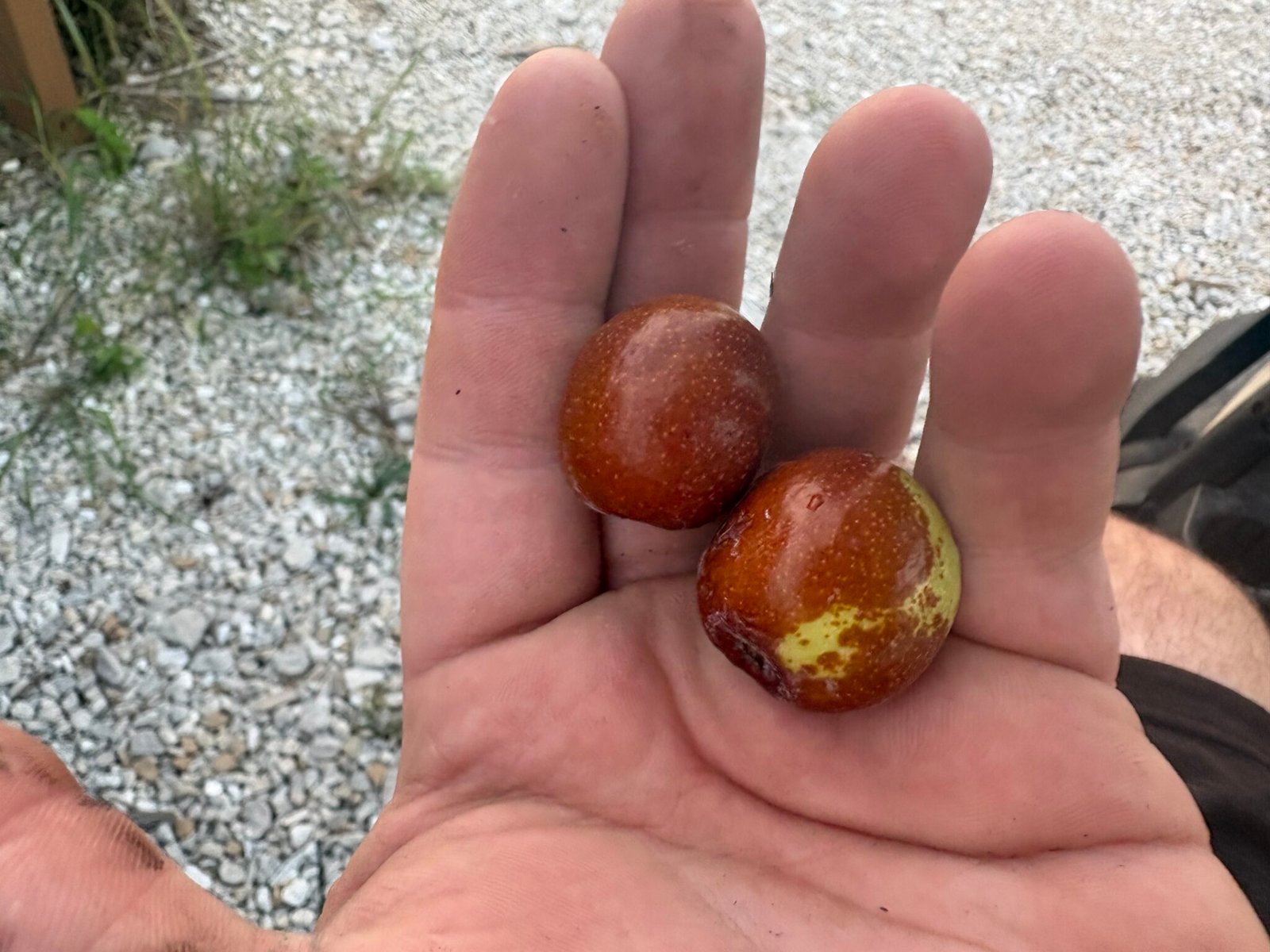
If you’re still learning how to judge ripeness, be sure to read How Do You Know When a Jujube Is Ripe? Signs It’s Ready. I walk through each ripening stage using examples from the fruit growing here on our farm.
Growing Jujubes Has Been One of My Best Decisions
We grow quite a few different kinds of fruit here on our family farm.
Apples.
Pears.
Peaches.
Pawpaws.
And several kinds of berries.
Even with all of those choices, I still get excited every year when the first jujubes begin ripening.
They’re productive, easy to care for, and unlike almost anything you’ll find at a grocery store.
If you’d like to learn more about this unique fruit, I also recommend reading What Is a Jujube Fruit and What Does It Taste Like?. If you’re curious about exactly when to harvest them, my article on how to tell when a jujube is ripe goes into much more detail.
As we continue harvesting fruit throughout the season, I’ll also be sharing more of what we’re learning here on the farm, including the different ways we enjoy fresh jujubes and some of the recipes we’re experimenting with.
About the Author
Daxon Weaver is the owner of Weaver Family Farms Produce. He enjoys growing unusual fruits, harvesting them with his family, and sharing firsthand experiences to help others grow, preserve, and enjoy homegrown food.