When we decided to plant jujube trees on our family farm, one of the questions I kept running into was whether we needed to plant two trees or if one would produce fruit on its own.
Depending on where I looked, I found different answers.
Some people said one tree was enough.
Others insisted you needed two different varieties.
After growing both Honey Jar and Sugar Cane jujubes ourselves, I realized the answer isn’t quite as simple as either of those.
The good news is that if you’re thinking about planting your first jujube tree, understanding pollination isn’t nearly as complicated as it sounds.
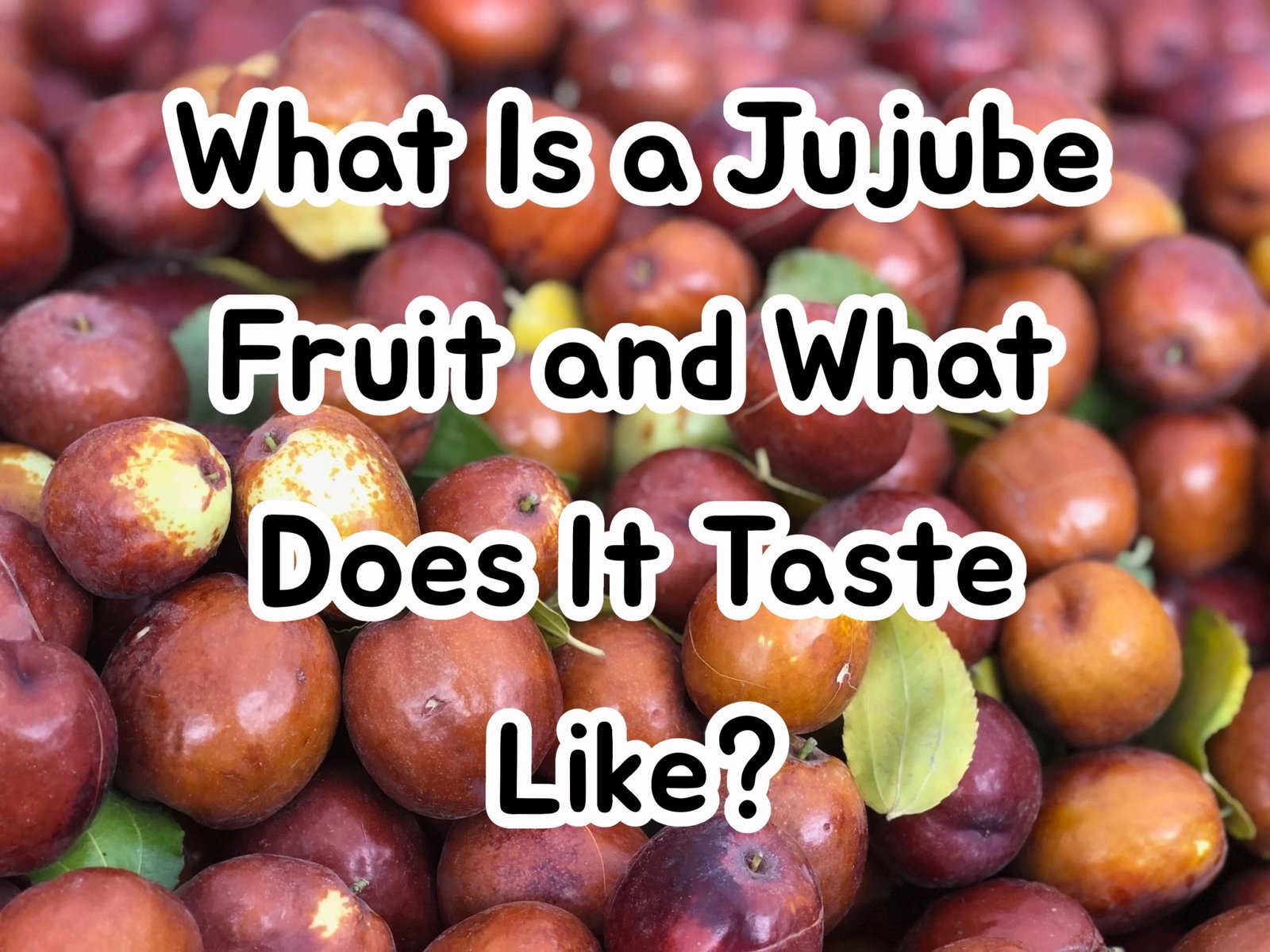
If you’re still getting familiar with this unique fruit, I’d recommend reading What Is a Jujube Fruit and What Does It Taste Like? first. It explains why jujubes have become one of my favorite fruit trees to grow.
The Short Answer
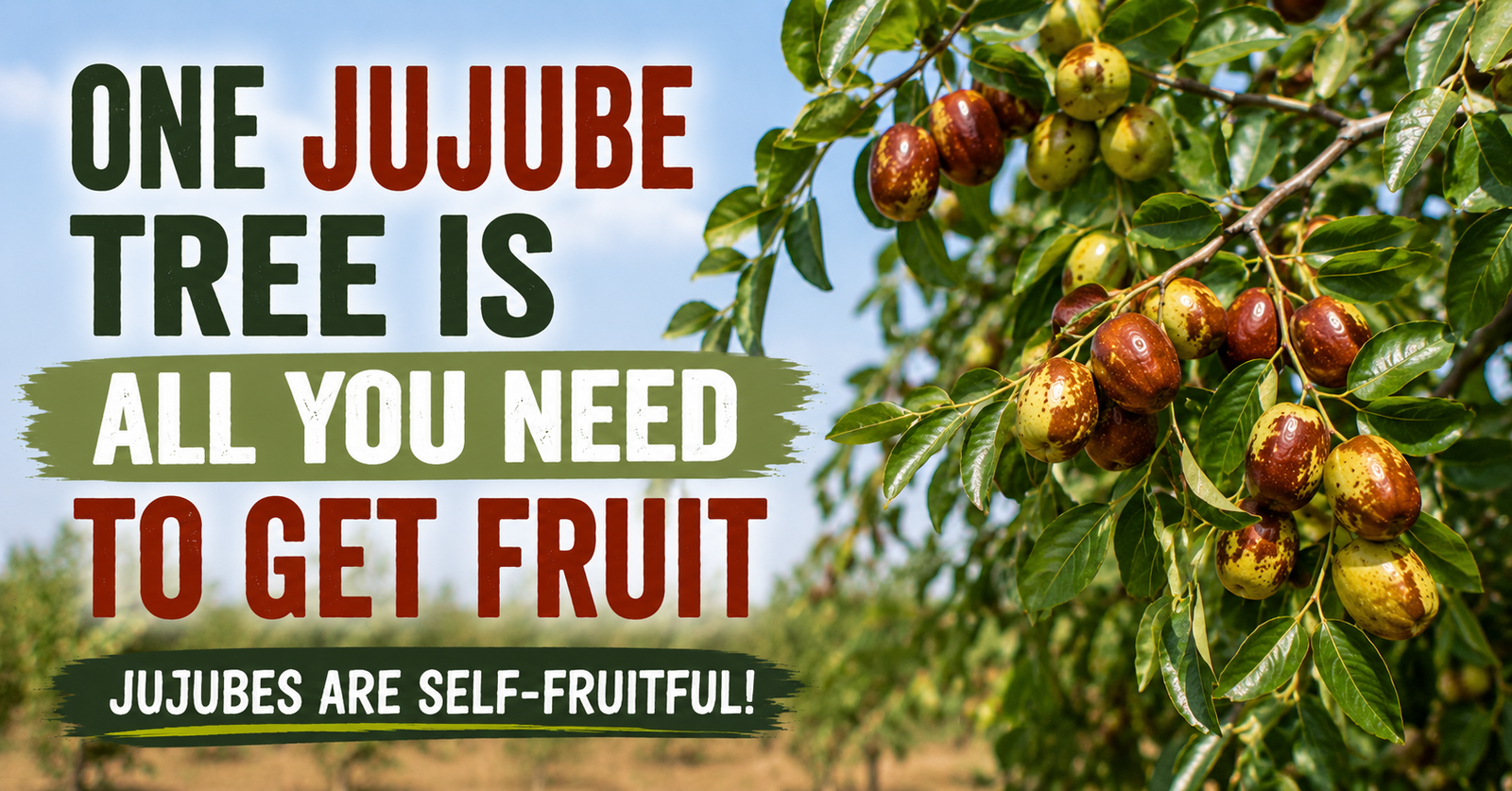
Many jujube varieties are considered self-fertile, meaning a single tree can often produce fruit by itself.
However, that doesn’t necessarily mean it’s the best setup.
Research and longtime growers have found that having another compatible variety nearby often improves pollination, fruit set, and overall production.
That’s one of the reasons we planted both Honey Jar and Sugar Cane.
Instead of wondering whether one tree would be enough, we decided to give ourselves the best chance for a productive harvest.
Why We Planted Two Different Varieties
We could have planted two Honey Jar trees.
Or two Sugar Cane trees.
Instead, we planted one of each.
Part of that decision was simply wanting to enjoy two different kinds of fruit.
The other reason was pollination.
Since the trees bloom around the same time, they can help cross-pollinate each other, which is generally beneficial for fruit production.
Whether that has increased our harvest is impossible for me to measure precisely because we’ve always grown them together.
What I can say is this.
Both trees have been productive, healthy, and rewarding to grow.
What Happens During Bloom?
One thing that surprised me the first time our trees bloomed was how different the flowers were from apple or peach blossoms.
Jujube flowers are tiny.
In fact, they’re easy to overlook unless you’re looking closely.
Despite their size, the trees can produce an incredible number of blooms over an extended period. Jujube trees often flower for weeks, providing plenty of opportunities for pollination.
Once I started paying attention, I noticed another interesting detail.
The flowers were constantly attracting bees and other small pollinating insects.
It didn’t take long to realize they were much busier than they first appeared.
Do Bees Pollinate Jujube Trees?
Absolutely.
Whenever our trees are blooming, I regularly see bees visiting the flowers throughout the day.
Considering how small the blossoms are, it’s easy to underestimate just how attractive they are to pollinators.
The longer bloom period also helps because new flowers continue opening while others are finishing.
That gives bees repeated opportunities to move pollen between flowers.
Will Honey Jar and Sugar Cane Pollinate Each Other?
Yes.
One of the reasons these two varieties are such a popular combination is that they bloom during a similar period and can serve as compatible pollinizers for each other.
That’s exactly why I like growing both.
Not only do we get two slightly different flavors, but we also have two trees flowering together each season.
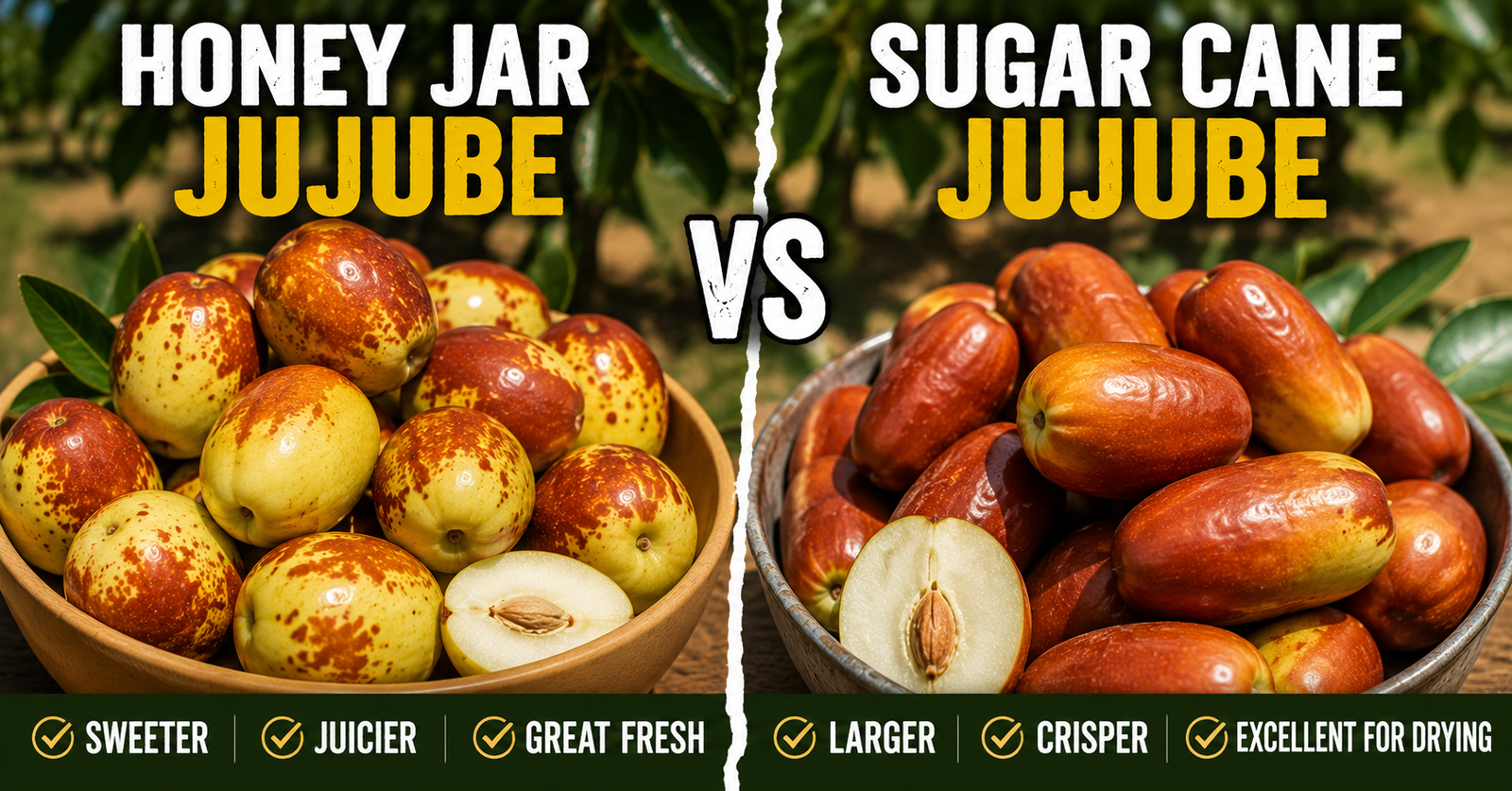
If you’re curious about how the fruit itself compares, I shared my firsthand experience in Honey Jar Jujube vs. Sugar Cane Jujube: Which Is Better? after growing both varieties on our farm.
Can You Grow Just One Jujube Tree?
Yes, you certainly can.
If you only have space for one tree, don’t let that stop you from planting one.
Many homeowners successfully grow a single self-fertile variety and still harvest fruit.
I simply like giving nature a little extra help whenever possible.
If you have room for two compatible varieties, I think it’s worth planting both.
You’ll enjoy a wider variety of fruit and may also encourage better pollination.
Other Things That Affect Fruit Production
Pollination is only one piece of the puzzle.
Over the years, I’ve learned that several other factors also play an important role.
Healthy sunlight.
Good drainage.
Regular watering while the tree is becoming established.
Patience.
That’s probably the hardest one.
Jujube trees aren’t always in a hurry, especially when they’re young.
But once they begin settling in, they’re incredibly rewarding.
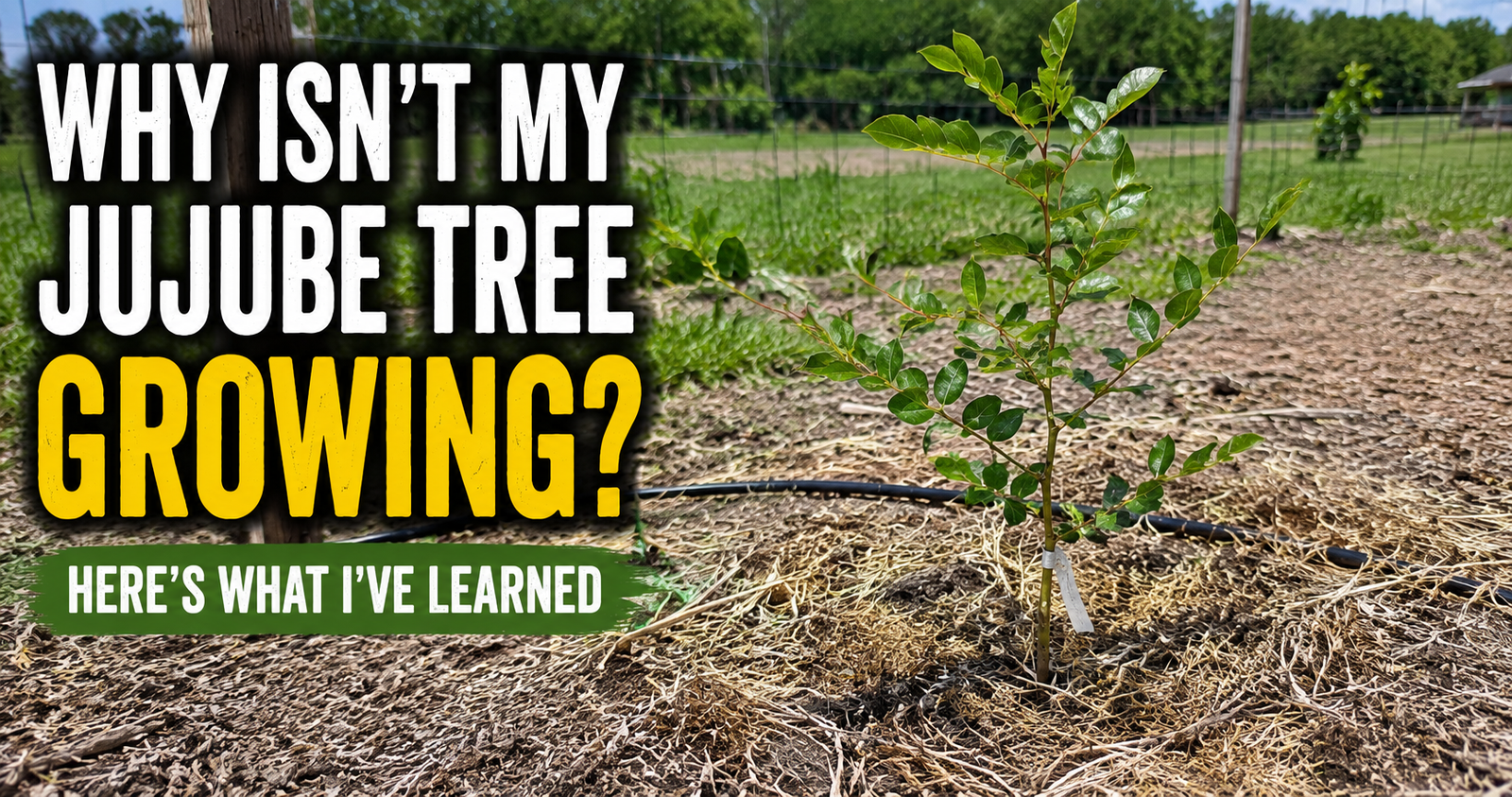
Don’t Panic If Your Young Tree Doesn’t Fruit Right Away
One mistake I see fairly often is people expecting a newly planted tree to produce baskets of fruit immediately.
Fruit trees rarely work that way.
They’re making roots.
They’re putting energy into growing branches.
They’re getting established.
Once that foundation is built, the harvests usually become more impressive each year.
That’s been exciting to watch on our own farm.

My Recommendation
If someone asked me today whether they should plant one jujube tree or two, my answer would be simple.
If you only have room for one, plant one.
You’ll still have the opportunity to enjoy this unique fruit.
If you have room for two, I’d seriously consider planting two compatible varieties.
That’s exactly what we did with Honey Jar and Sugar Cane, and it’s a decision I’ve never regretted.
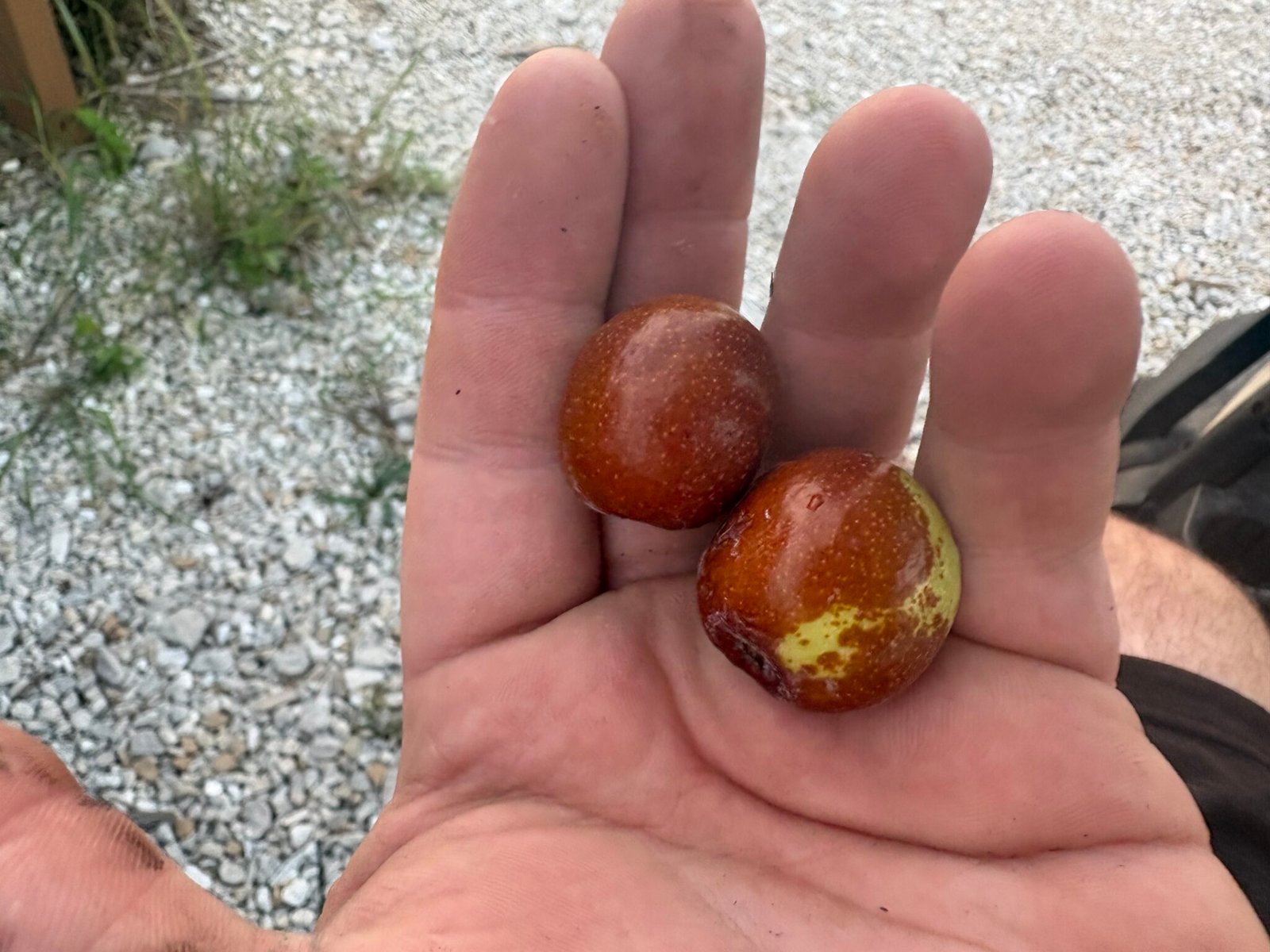
Watching both trees bloom, attract pollinators, and eventually fill with sweet fruit has become one of my favorite parts of late summer.
If you’re planning your first harvest, you may also enjoy How Do You Know When a Jujube Is Ripe? Signs It’s Ready and How Long Do Fresh Jujubes Last? Here’s What I’ve Found. Those guides build on what we’ve learned from growing and enjoying jujubes here on our family farm.
About the Author
Daxon Weaver is the owner of Weaver Family Farms Produce, where he shares firsthand experiences growing fruit, harvesting seasonal crops, and helping others enjoy the rewards of homegrown food through practical advice from his family’s Missouri farm.