One of my favorite moments every year is walking out to our jujube tree and finding the first ripe fruit of the season.
Today was that day.
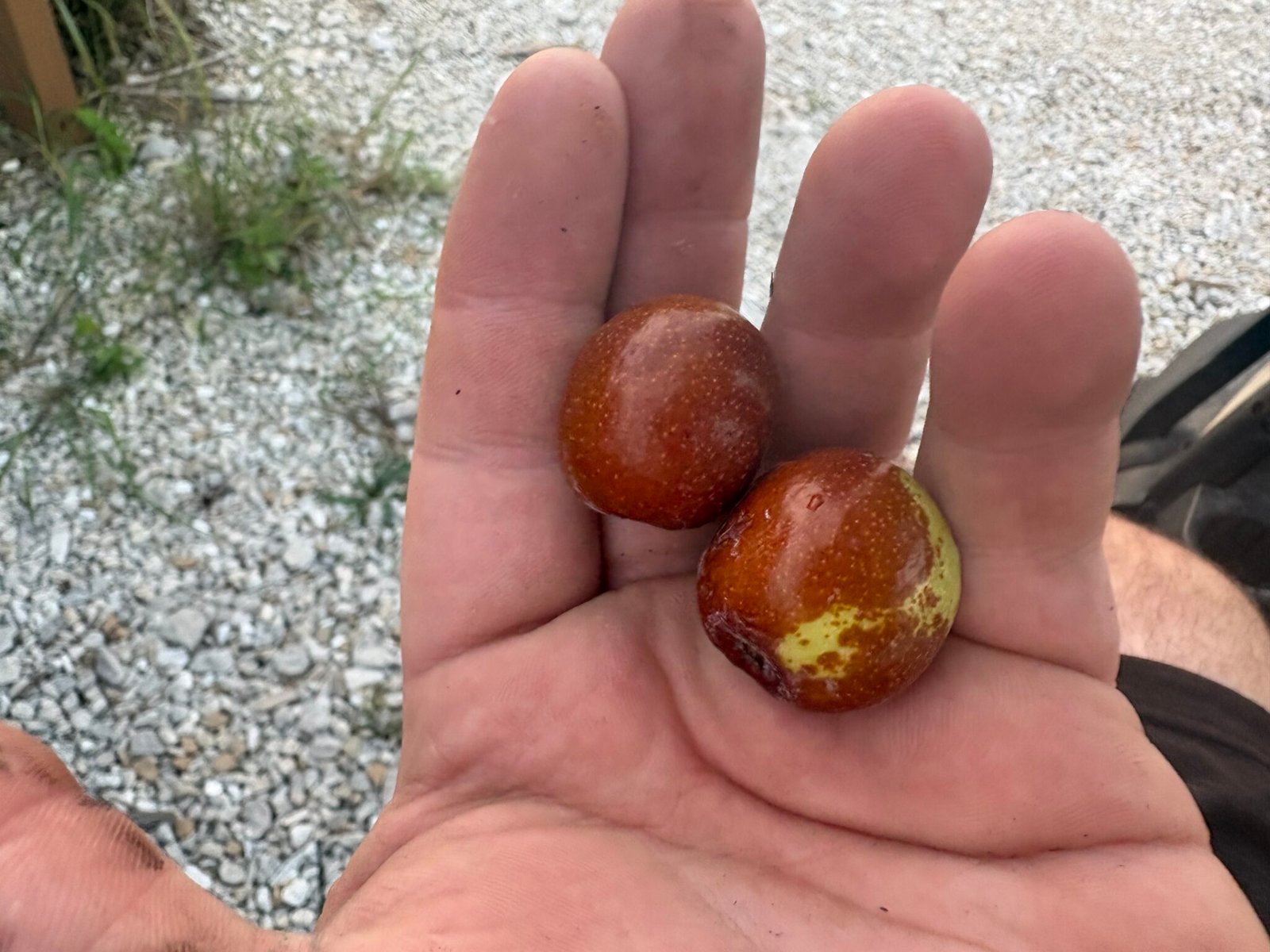
After checking the tree for the past week or two, I finally found two jujubes that were ready to pick. I snapped a quick picture before eating them because every year I’m reminded how different a truly ripe jujube tastes compared to one that’s picked too early.
If you’ve never tried a fresh jujube before, it’s honestly hard to compare it to anything else.
When they’re first starting to ripen, the texture reminds me almost exactly of a crisp apple. As they continue turning darker brown, though, the sweetness changes dramatically. I begin tasting richer flavors that remind me of dates or even a light molasses.
That’s actually why I wait a little longer than most people before picking mine.
If you’re still learning about this unusual fruit, I recommend reading What Is a Jujube Fruit and What Does It Taste Like? first. That article explains where jujubes come from, what they taste like, and why they’ve become one of my favorite fruits to grow.
Don’t Make the Same Mistake Most First-Time Growers Do
One thing I’ve noticed is that many people harvest their jujubes far too early.
It’s understandable.
The fruit reaches full size while it’s still green, so it looks ready.
It isn’t.
Unlike peaches, apples, or pears that often have a fairly obvious harvest window, jujubes continue changing long after they’ve reached their full size.
Every few days the flavor becomes a little sweeter.
The skin develops more brown coloring.
The flesh slowly changes.
The fruit becomes something completely different than it was just a week earlier.
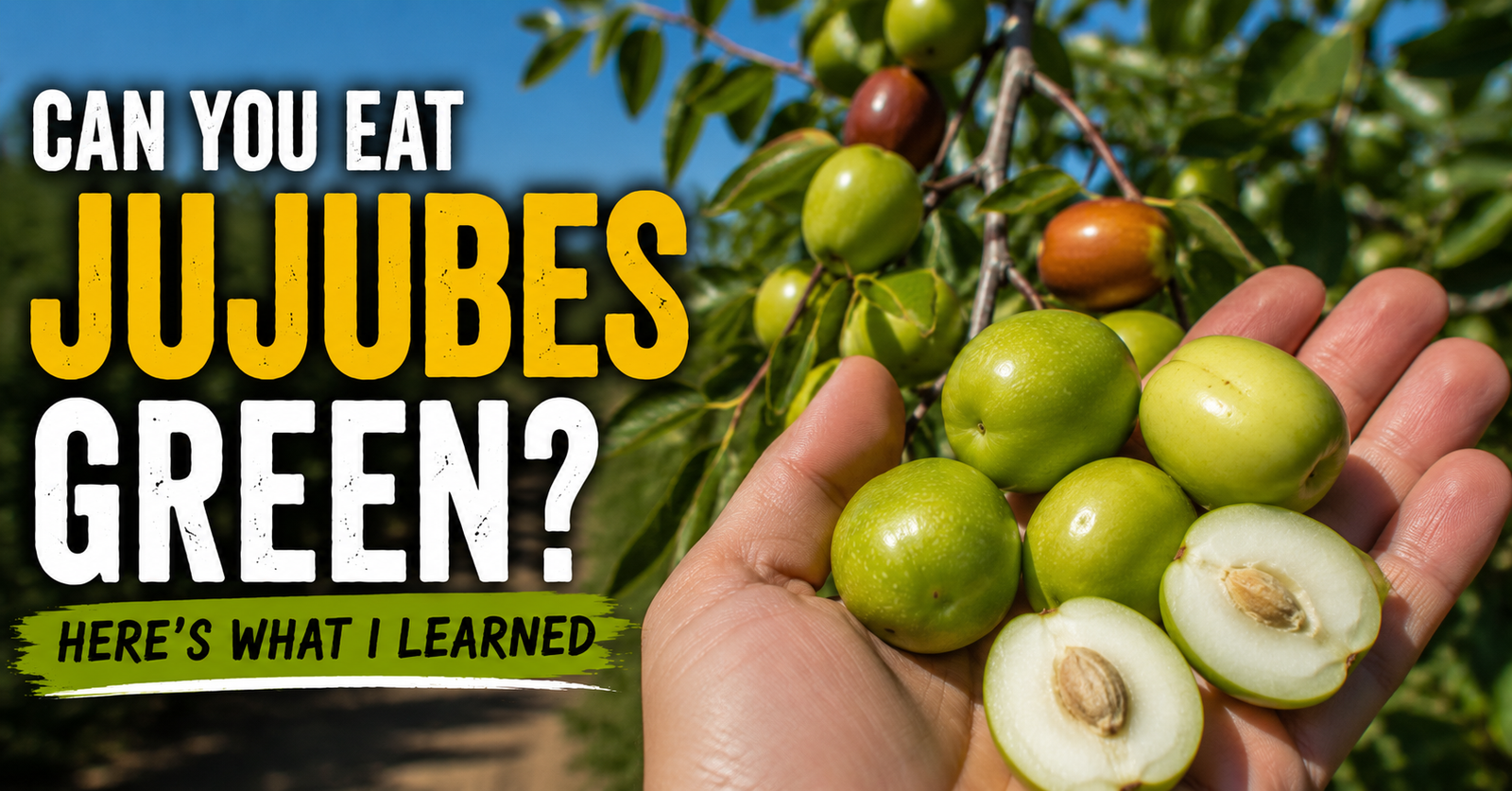
If you pick everything while it’s still green, you’ll never experience just how sweet a fully ripe jujube can become. The early green stage is also safe to taste, as I explain in eating jujubes while they're green.
What Does an Unripe Jujube Look Like?
When jujubes first develop, they’re bright green and very firm.
At this stage they almost resemble tiny green crabapples.
They’re perfectly edible, but personally I don’t think this is when they taste their best.
Green jujubes are:
- Very crisp.
- Mildly sweet.
- Slightly tart.
- Extremely firm.
The texture is surprisingly similar to biting into a fresh apple.
If someone handed me a slice with my eyes closed, the crunch alone would probably make me think I was eating apple.
The flavor, however, hasn’t fully developed yet.
The First Brown Spots Mean Something Good
One of the first signs that harvest season is getting close is when little brown patches begin appearing on the fruit.
This is when I start checking the tree almost every day.
Those brown spots are a sign that sugars are increasing inside the fruit.
You’ll notice the apple-like flavor becoming sweeter while still keeping that crisp texture.
Some people actually prefer eating them at this stage.
I usually wait a little longer.
My Favorite Time to Pick Jujubes
If you asked ten people when to harvest jujubes, you’d probably get several different answers.
Here’s mine.
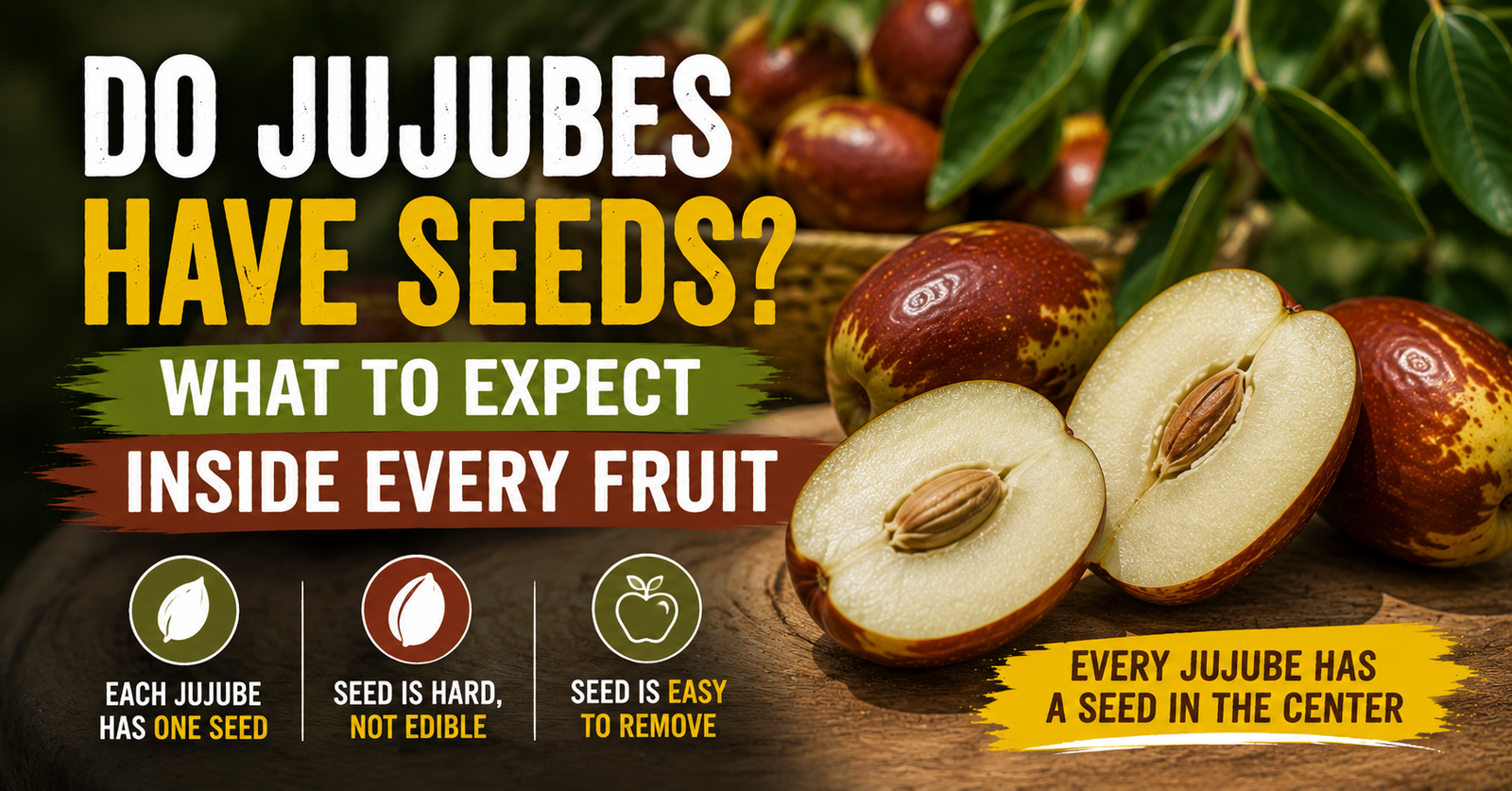
I like waiting until most of the fruit has turned a rich reddish-brown color.
At that point, the texture is still fairly crisp, but the sweetness has increased dramatically.
Then, if I can be patient just a little longer, something even better happens.
The fruit begins softening ever so slightly.
Not mushy.
Not overripe.
Just enough that the texture starts changing.
That’s when I think the flavor becomes incredible.
The sweetness reminds me of fresh apples mixed with dates, and I even notice hints of molasses developing.
It’s honestly one of my favorite fruits growing anywhere on our farm.
Brown Doesn’t Mean Bad
This is probably the biggest misconception I see.
People assume brown fruit must be overripe.
With jujubes, that’s usually the opposite.
Brown simply means they’re continuing to mature.
In fact, many of the sweetest jujubes I’ve ever picked were almost completely brown.
Some even started wrinkling slightly while still hanging on the tree.
Those were delicious.
If you’ve never tried one at that stage, I highly recommend it before deciding which ripeness you prefer.
Every Tree Is a Little Different
One thing I’ve noticed over the years is that no two trees seem to ripen exactly the same.
Weather plays a role.
Rainfall matters.
Sun exposure matters.
Even fruit growing on opposite sides of the same tree may ripen several days apart.
That’s actually something I enjoy.
Instead of harvesting everything at once, I simply walk out every couple of days and pick whichever fruits are ready.
It stretches the harvest over several weeks instead of just one afternoon.
Growing Your Own Makes It Even Better
One advantage of growing your own jujube tree is being able to pick fruit exactly when it’s at the stage you enjoy most.
Store-bought fruit is usually harvested early so it can survive shipping.
When you’re harvesting from your own tree, you get to decide.
If you’d like to grow your own jujubes, we offer beautiful Jujube trees through Weaver Family Farms Nursery. They’re one of the easiest fruit trees we’ve grown and continue producing more fruit every year as they mature.
Jujubes Have Become One of My Favorite Fruits
I’ll be honest.
The first time I ever heard about jujubes, I had no idea what they were supposed to taste like.
Now I find myself watching the tree every year waiting for those first few fruits to start turning brown.
They’re productive.
They’re easy to grow.
They’re different from almost anything you’ll find at a grocery store.
And every season I end up looking forward to that first handful just as much as peaches or apples.
That’s saying a lot because we grow quite a bit of fruit.

Why I Think More People Should Be Growing Jujubes
Jujubes still aren’t very common in most backyards, which surprises me.
They’re productive, attractive trees that tolerate heat well and reward you with a fruit that most people have never experienced.
Once friends taste a properly ripened jujube, one of the first questions they usually ask is where they can get a tree of their own.
It’s easy to understand why.
There’s really nothing else quite like them.
In the next section, I’ll explain exactly how the flavor changes through every stage of ripeness, answer the most common questions people ask about harvesting jujubes, compare green versus fully ripe fruit, and share a few things I’ve learned after growing them here on our farm. This guide to jujube ripeness signs offers a practical way to recognize when the fruit is ready to pick.
How the Flavor Changes as Jujubes Ripen
One of the things I enjoy most about growing jujubes is that they’re almost like four different fruits depending on when you pick them.
Very few fruits change this much while they’re still hanging on the tree.
Here’s how I describe each stage from my own experience.
Green Jujubes
Green jujubes are crunchy and refreshing.
The texture reminds me almost exactly of a crisp apple, although they’re not quite as juicy.
They’re mildly sweet with a little tartness, but I usually leave them on the tree longer because I know they’re only going to get better.
Green With Brown Patches
This is when I really start paying attention.
As the skin begins changing from green to brown, the sweetness increases noticeably. The fruit is still firm and crisp, but the flavor becomes much richer.
This is also when I begin checking the tree almost every day because some fruit ripens faster than others.
Mostly Brown
If someone asked me when I think jujubes taste their best, this would probably be my answer.
The texture is still similar to an apple, but the sweetness has really developed.
To me, this is when fresh jujubes become something special.
Dark Brown and Slightly Soft
This is actually my favorite stage.
I know some people prefer them while they’re still crisp, but I usually wait another couple of days.
Once they’ve turned mostly dark brown and begin softening just a little, I notice a completely different flavor.
The apple-like taste is still there, but now I also get rich flavors that remind me of dates, caramel, and even a little molasses.
It’s hard to explain until you’ve tasted one yourself.
I actually find myself looking for these darker fruits first whenever I’m harvesting.
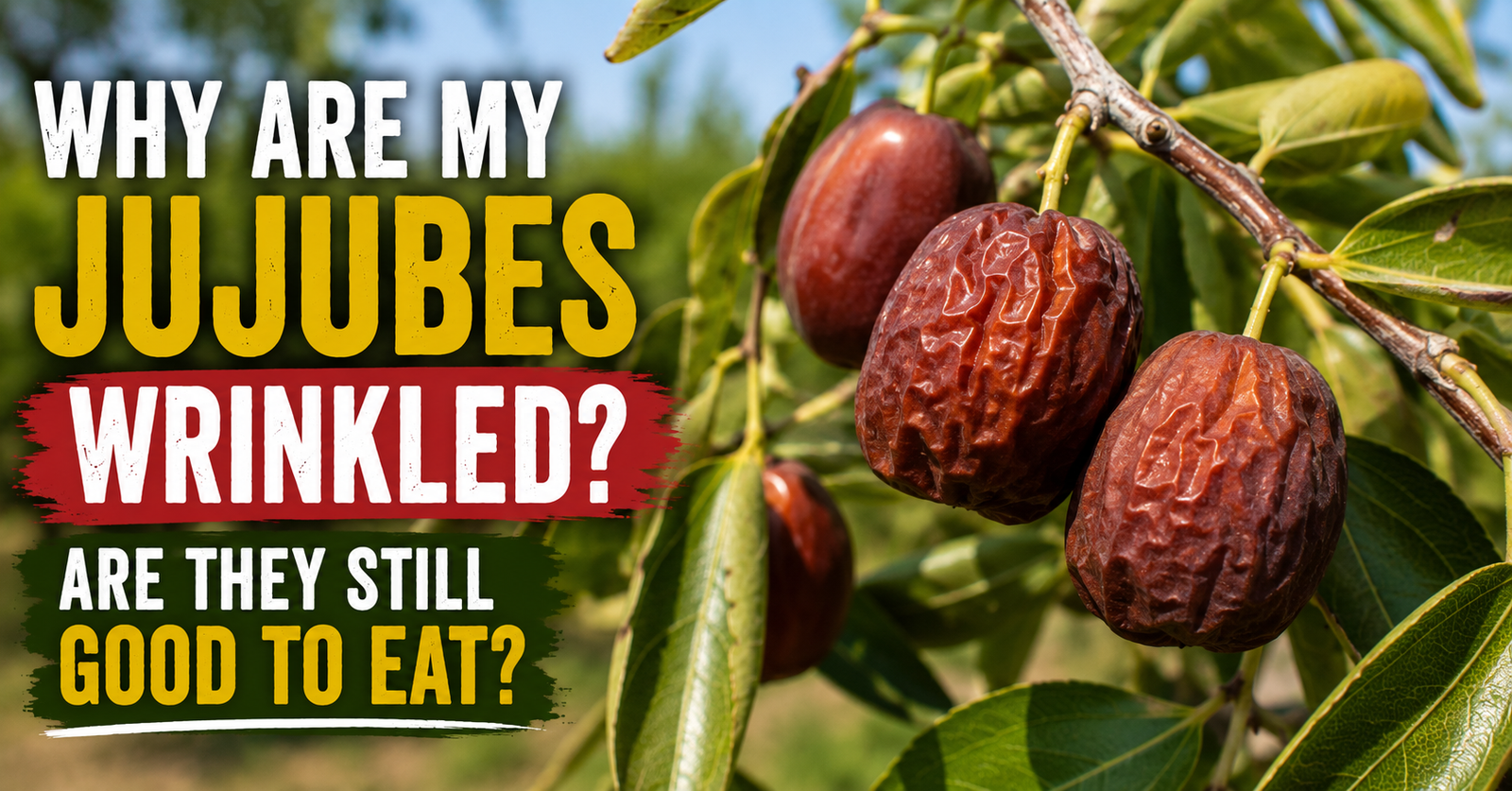
Interestingly, many growers prefer the fruit while it’s still crisp and partially brown, but others enjoy it after it softens and begins wrinkling because it develops a sweeter, more date-like flavor. It really comes down to personal preference.
Can You Leave Jujubes on the Tree Too Long?
Within reason, yes.
One thing I appreciate about jujubes is that they don’t suddenly become unusable overnight.
Instead, they continue changing.
As they lose moisture, the fruit wrinkles and becomes even sweeter.
Some people intentionally let part of their harvest wrinkle because they enjoy that chewy, date-like texture.
If you accidentally leave a few on the tree a little longer than planned, don’t assume you’ve ruined them.
Taste one first.
You might discover it’s your favorite stage.
I Never Harvest Our Tree All at Once
Unlike peaches, where I often end up picking most of the ripe fruit over a short period, our jujube tree lets me spread the harvest out.
Every few days I’ll walk over, look through the branches, and pick only the fruit that’s ready.
A few days later, another handful is waiting.
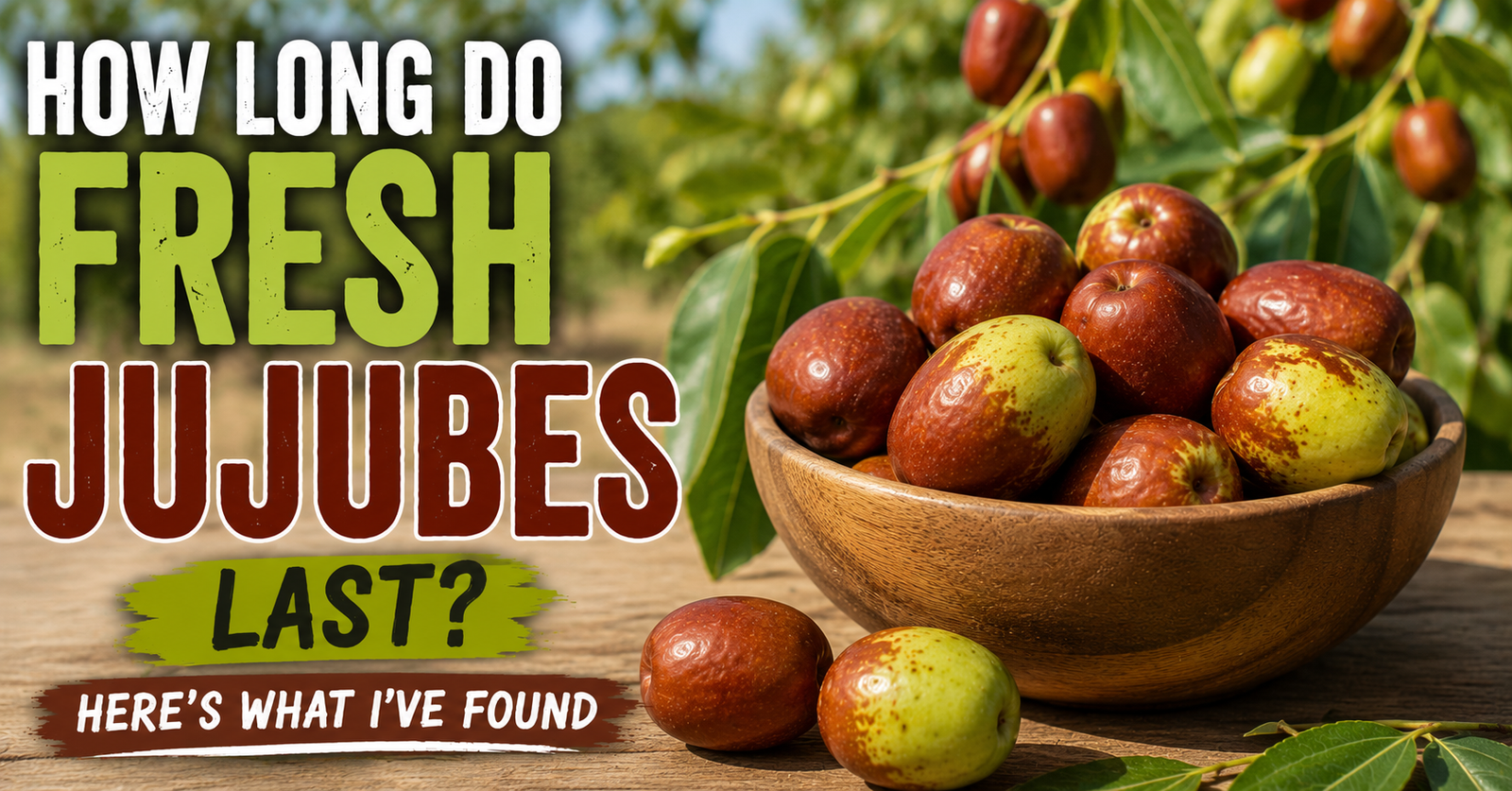
I actually enjoy harvesting this way because it means we’re eating fresh jujubes for weeks instead of trying to use them all at once. When harvest extends across several weeks, storing fresh jujubes longer can help you manage the fruit between picking days.
Should You Pick Jujubes or Let Them Fall?
I almost always pick ours directly from the tree.
It’s easier to judge ripeness by looking at the color and gently feeling the fruit.
If it’s mostly brown and comes off the branch easily, it’s usually ready.
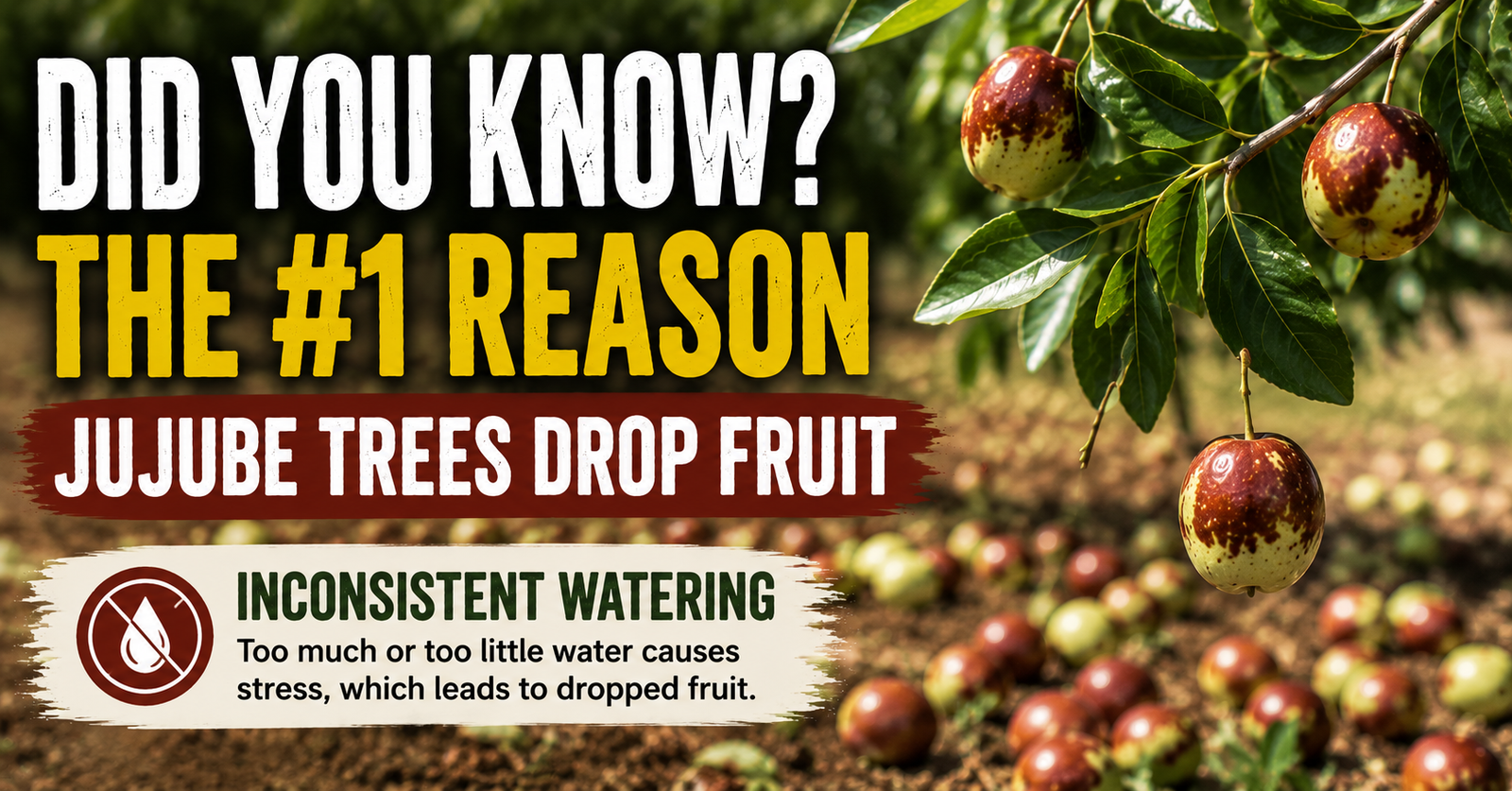
Waiting for fruit to fall naturally can work too, but I prefer harvesting before wildlife finds them first.
What If Your Jujubes Never Turn Brown?
If your fruit stays green much longer than expected, don’t panic.
A few different things can affect ripening, including the variety you’re growing, the weather, and your local climate. Jujubes generally ripen from late summer into fall depending on the location and cultivar.
Sometimes the hardest part is simply being patient.
Every year I find myself checking the tree a little too early because I’m excited for that first ripe fruit.
Growing Your Own Jujube Tree Is Worth It
After growing jujubes myself, I honestly wish more people knew about them.
They’re productive.
They’re attractive trees.
They handle hot summers well.
And the fruit is unlike anything most people have ever tasted.
If this article has you thinking about planting one, take a look at our Jujube trees at Weaver Family Farms Nursery. There’s something incredibly satisfying about walking outside, picking a handful of perfectly ripe fruit, and enjoying it just minutes later.
You’ll also find more growing tips and fruit tree advice on the Weaver Family Farms Nursery blog if you’re interested in adding more unusual fruits to your yard.
Keep an Eye on the Tree Every Few Days
One lesson I’ve learned is that the calendar doesn’t tell me exactly when a jujube is ready.
The tree does.
Once I see those first brown patches appearing, I start checking every couple of days.
Before long, there are a few ripe fruits waiting.
Then a few more.
And before I know it, I’m enjoying one of my favorite harvests of the year.
If you’re just getting started with jujubes, I’d encourage you not to rush the harvest. Let a few fruits reach different stages of ripeness and taste each one for yourself. You may discover, just like I did, that your favorite jujube isn’t the bright green one or even the first one that turns brown. It might be that darker, slightly soft fruit that’s had just a little more time on the tree to develop its incredible sweetness.
About the Author
Daxon Weaver is the owner of Weaver Family Farms Produce, where he shares firsthand experiences growing fruit, harvesting unique crops, preserving homegrown food, and helping others enjoy the rewards of a family farm.