Making homemade apple jelly doesn’t have to mean spending an afternoon peeling apples, chopping fruit, and waiting for juice to drip through a strainer.
Sometimes you just want to open a bottle of apple juice, add the right ingredients, and turn it into something delicious.
That’s what makes apple jelly from juice such an appealing option.
I enjoy growing apples and finding different ways to use them here on our Missouri family farm, but I also appreciate a shortcut that actually makes sense. And using prepared apple juice is one of those shortcuts.
You can skip the entire juice-extraction process and concentrate on getting the flavor, sweetness, and consistency right.
There is one catch, though.
Not every bottle of apple juice will make jelly the same way, and not every recipe works with every type of pectin.
That’s where I want to spend a little extra time. I’ll explain what kind of juice to buy, how to make a simple refrigerator jelly, how to choose a shelf-stable canning recipe, and what to do when your jelly doesn’t turn out quite right. For a batch that remains too liquid, fix jelly that does not set offers practical ways to assess and address the problem.
Can You Really Make Apple Jelly From Store-Bought Apple Juice?
Yes, absolutely.
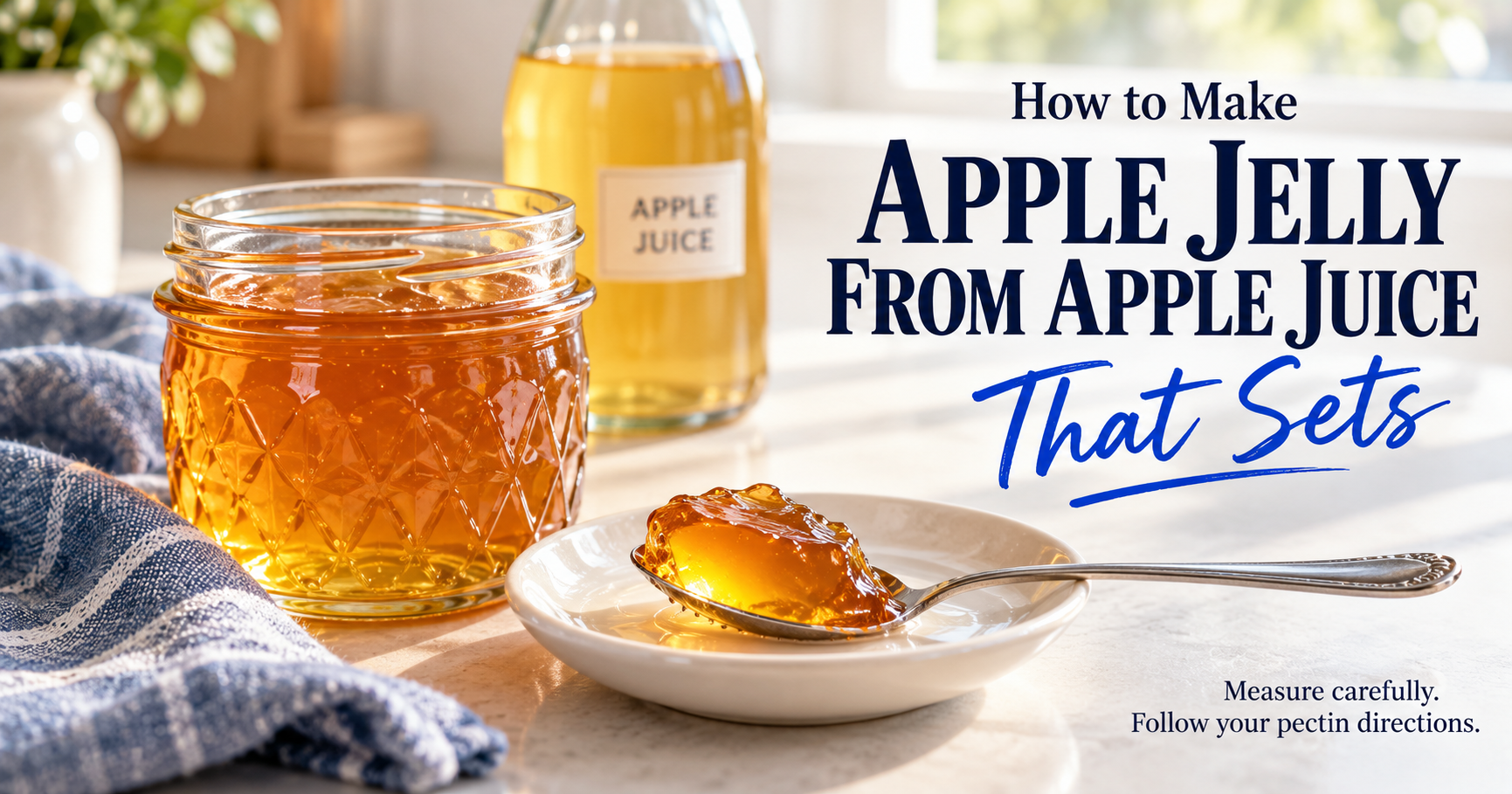
You can make apple jelly using commercially prepared apple juice, including many bottled and canned varieties.
In fact, the National Center for Home Food Preservation specifically recognizes commercially prepared fruit juices as suitable ingredients for certain jelly recipes made with added pectin.
National Center for Home Food Preservation
That means you don’t necessarily need fresh apples at all.
However, the important part is choosing a recipe that matches your juice and pectin.
Some jelly recipes rely on natural pectin from freshly extracted apple juice. Others use commercial pectin to produce a more predictable set.
I wouldn’t automatically use a no-added-pectin recipe with an ordinary bottle of filtered apple juice and expect identical results.
The juice may not contain enough effective natural pectin.
An Easy Apple Jelly Recipe Using Bottled Juice
For beginners who want to avoid the complications of traditional canning, I like the idea of starting with a refrigerator jelly.
The following recipe comes from the National Center for Home Food Preservation and uses unflavored gelatin rather than fruit pectin.
It’s important to understand that this version must remain refrigerated. It is not a shelf-stable canned jelly.
National Center for Home Food Preservation
Ingredients
Yield: Approximately four half-pint jars
- 1 quart unsweetened bottled apple juice (4 cups).
- 2 packages unflavored gelatin, or 2 tablespoons.
- 2 tablespoons bottled lemon juice.
- 2 tablespoons liquid sweetener.
- Food coloring, optional.
This is a reduced-sugar refrigerator jelly. Its texture and sweetness will be different from traditional high-sugar apple jelly.
Step 1: Prepare Your Containers
Before heating anything, prepare four clean half-pint jars.
The tested recipe calls for sterilized jars.
I would also clear enough room in the refrigerator before starting. It’s much easier to have everything ready than to scramble for space once the jelly is finished.
Step 2: Combine the Juice, Lemon Juice, and Gelatin
Pour the apple juice into a saucepan.
Add the lemon juice and sprinkle in the unflavored gelatin.
Allow the gelatin to soften in the liquid.
This is an important difference between gelatin-based jelly and recipes using commercial fruit pectin.
Gelatin must hydrate properly before being heated.
Step 3: Bring the Mixture to a Boil
Heat the mixture while stirring until the gelatin dissolves.
Bring it to a rolling boil and boil for one minute, as specified by the tested recipe.
You want the gelatin completely dissolved without undissolved particles remaining in the liquid.
Step 4: Add the Sweetener
Remove the saucepan from the heat.
Stir in the liquid sweetener and optional food coloring.
Taste expectations matter here. This is not going to taste exactly like a traditional apple jelly made with several cups of sugar.
The finished jelly will have a lighter sweetness, allowing more of the apple juice flavor to come through.
Step 5: Fill and Refrigerate
Pour the mixture into the prepared sterilized jars.
Cover, cool promptly, and store in the refrigerator.
The jelly will develop its texture as it chills.
Do not place these jars in the pantry. This particular recipe is designed for refrigerated storage, not room-temperature storage.
What If You Want Traditional Apple Jelly With Sugar and Pectin?
This is probably what most people picture when they think of homemade apple jelly.
A clear, sweet, firm spread that holds its shape on a spoon and spreads beautifully over toast or biscuits.
For that version, I recommend choosing a tested apple jelly recipe from the package of commercial fruit pectin you’re using.
Here’s why.
Powdered pectin, liquid pectin, and low-sugar pectin don’t all work the same way.
Some recipes require you to mix pectin with juice before adding sugar.
Others require a different ingredient order.
And the quantities can vary considerably between brands and formulations.
Penn State Extension specifically warns that powdered and liquid pectins are not interchangeable.
Penn State Extension
I would rather follow the correct recipe once than waste an entire batch trying to guess the proportions.
What Ingredients Will You Typically Need?
A traditional apple jelly made with commercial pectin generally uses:
- Unsweetened apple juice.
- Granulated sugar.
- Commercial fruit pectin.
- Lemon juice, if required by the specific recipe.
The exact measurements depend on the tested formulation.
Don’t substitute a random amount of pectin or reduce the sugar unless the recipe specifically allows it.
Can You Make Apple Jelly From Juice Without Adding Pectin?
Yes, but this is where I would be more selective.
Apples naturally contain pectin, especially when they’re mature but not overly ripe.
The problem is that bottled apple juice doesn’t necessarily have the same pectin concentration as juice freshly extracted from apples specifically selected for jelly making.
The National Center for Home Food Preservation has a tested no-added-pectin apple jelly recipe using four cups of prepared apple juice and three cups of sugar, with optional strained lemon juice. Its juice preparation instructions specifically call for a mixture of slightly underripe and ripe tart apples.
National Center for Home Food Preservation
That’s not the same as guaranteeing that every bottle of grocery store juice will set without pectin.
If I were using ordinary filtered bottled juice, I’d favor a tested recipe designed for bottled juice with added pectin.
If I wanted to make traditional apple jelly using only the apples’ natural pectin, I’d prepare the juice according to the tested no-added-pectin method.
That distinction can save a lot of frustration.

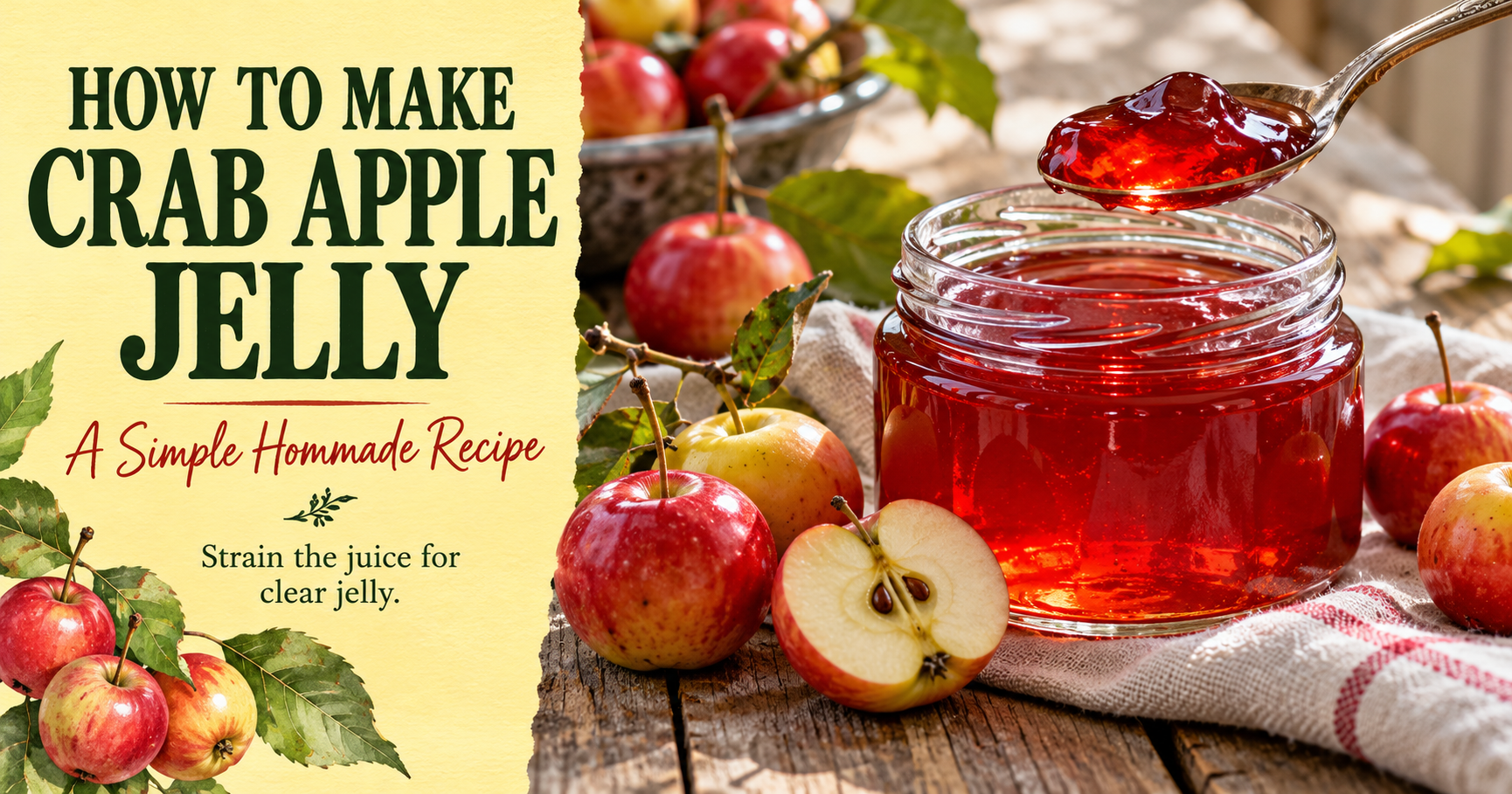
What Kind of Apple Juice Makes the Best Jelly?
Not all apple juices are identical.
Before buying juice specifically for jelly, I’d check the label carefully.
Unsweetened Apple Juice
This is usually the most straightforward choice.
Look for 100% apple juice without added sugar, then use it in a recipe designed for that type of juice.
Unsweetened doesn’t necessarily mean the juice has no sugar. Apples naturally contain sugar.
It simply means sugar hasn’t been added separately.
Apple Juice From Concentrate
Juice reconstituted from concentrate can be suitable if the recipe permits ordinary commercial apple juice.
The important thing is that you’re using the correct amount and type of juice specified in the recipe.
I wouldn’t use undiluted concentrate as a direct replacement for regular juice.
Cloudy Apple Juice
Cloudy juice contains suspended particles that give it a less transparent appearance.
It may still make a flavorful jelly, but don’t expect the finished product to have the same clear, jewel-like appearance as jelly made from well-filtered juice.
For a beautiful clear jelly, I’d start with clear apple juice.
Apple Cider
Fresh apple cider can have wonderful flavor, but it isn’t automatically interchangeable with filtered apple juice in every tested recipe.
Cider may contain more suspended solids and can vary in sweetness and acidity.
If you’re using cider, look for a recipe that specifically permits it.
Also, I would avoid unpasteurized cider unless the recipe includes appropriate processing instructions.
Why I Wouldn’t Use Apple Juice Drinks or Cocktails
This is another label-reading mistake that’s easy to make.
A bottle might have pictures of apples all over the front, but that doesn’t mean it contains 100% apple juice.
Some products are labeled apple drink, apple cocktail, or fruit beverage.
They may contain added water, sweeteners, other fruit juices, and flavorings.
Those ingredients can change how the jelly behaves.
When a recipe calls for apple juice, I’d use actual apple juice rather than a diluted apple-flavored beverage.
How Do You Know When Apple Jelly Is Ready?
The answer depends on the recipe.
With commercial pectin, the directions often specify a particular boiling time after the mixture reaches a full rolling boil.
With traditional jelly made without added pectin, you may need to check the setting point.
One method is the sheet test.
Dip a cool metal spoon into the boiling jelly mixture and lift it above the pot.
At first, the liquid falls in separate droplets.
As the mixture approaches its setting point, the droplets begin joining together and falling from the spoon in a sheet.
Another method involves measuring the boiling temperature.
Traditional jelly without added pectin generally reaches its setting point at approximately 8°F above the boiling point of water at your elevation.
That isn’t always exactly 220°F, because elevation changes the boiling point.
I would follow the tested recipe rather than relying on appearance alone.
Why Is My Apple Jelly Still Runny?
If there’s one thing I wouldn’t want to happen after making homemade jelly, it’s opening a jar and finding apple syrup instead.
Fortunately, there are several possible explanations.
You Used the Wrong Type of Pectin
Powdered and liquid pectin are formulated differently.
If you substitute one for the other without adjusting the recipe, the jelly may fail to set.
The same issue can occur when substituting regular pectin with a low-sugar variety.
You Changed the Sugar Amount
Sugar isn’t just there for sweetness in traditional jelly.
It also helps the pectin form the correct gel structure.
Reducing the sugar in a regular-pectin recipe can result in a loose set.
If you want less sugar, choose a recipe developed for low-sugar pectin rather than changing a traditional recipe.
You Didn’t Follow the Correct Boiling Time
Jelly recipes often require a full rolling boil, not a gentle simmer.
A rolling boil continues bubbling even while you’re stirring.
If the recipe requires that boil for a specific amount of time, it’s important to follow it.
The Pectin Was Old
Pectin loses effectiveness over time.
If you find an old box in the back of the pantry, I wouldn’t automatically assume it will perform like a fresh one.
Using fresh pectin is a simple way to reduce the chance of a disappointing batch.
The Jelly Hasn’t Finished Setting
Some jellies need time to develop their final consistency.
Don’t immediately assume a batch has failed while it’s still hot.
Penn State Extension recommends allowing sufficient setting time before attempting to remake soft jelly.
Penn State Extension
Can You Fix Apple Jelly That Didn’t Set?
Sometimes, yes.
But I wouldn’t randomly add more pectin or sugar.
The correct fix depends on whether the jelly was made with powdered pectin, liquid pectin, or no added pectin.
The National Center for Home Food Preservation provides tested procedures for remaking soft jelly, with different instructions for each method.
National Center for Home Food Preservation
I would first identify which recipe was used and then follow the corresponding remake instructions.
And if the jelly remains loose but has been safely prepared and stored, it may still make an excellent refrigerated topping for pancakes, waffles, or ice cream.
Why Is My Apple Jelly Cloudy?
A good apple jelly often has a beautiful golden or amber appearance.
If you’re using clear apple juice, you can usually expect a more transparent finished jelly.
Cloudiness may result from the original juice, undissolved ingredients, or problems during preparation.
If you’re extracting juice from fresh apples, squeezing the jelly bag can force pulp particles into the liquid.
That’s one reason traditional jelly-making instructions recommend allowing the juice to drain without squeezing.
Cloudiness alone doesn’t automatically mean the jelly has spoiled.
However, unexpected cloudiness accompanied by bubbling, mold, fermentation, or an unpleasant smell is a reason to discard it.
Can You Safely Can Apple Jelly Made From Bottled Juice?
Yes, when you’re following a tested recipe that permits the ingredients you’re using and includes proper canning instructions.
I wouldn’t assume that every apple jelly recipe can be placed in a boiling-water canner.
The refrigerator jelly recipe earlier in this article uses gelatin and must remain refrigerated.
Traditional apple jelly recipes using commercial pectin may be suitable for boiling-water canning when prepared according to tested directions.
For shelf-stable jelly, use proper canning jars, the required headspace, and the processing time adjusted for elevation.
For example, the National Center for Home Food Preservation’s tested apple jelly recipe without added pectin specifies a quarter-inch headspace and boiling-water processing for half-pint or pint jars, with processing times of 5, 10, or 15 minutes depending on elevation. Those instructions apply to that specific tested recipe, not automatically to every bottled-juice formulation.
National Center for Home Food Preservation
I would never rely on simply turning jars upside down or waiting for hot lids to pop.
A sealed lid doesn’t prove that a jar was safely processed.
How Long Does Homemade Apple Jelly Last?
Storage depends on the recipe and preservation method.
Properly processed and sealed home-canned jelly is generally best used within about one year for quality.
Once opened, it belongs in the refrigerator.
Refrigerator jelly must remain refrigerated from the beginning and should be used within the storage period specified by its recipe.
Freezer jelly should be kept frozen according to its tested instructions.
If I ever found mold, unexpected fermentation, or a damaged seal on a jar that was supposed to be shelf stable, I wouldn’t taste it to check whether it was still good.
I’d discard it.
What Does Apple Jelly Taste Like Compared With Apple Butter?
This is something I think is worth explaining because people sometimes assume all apple spreads taste alike.
They really don’t.
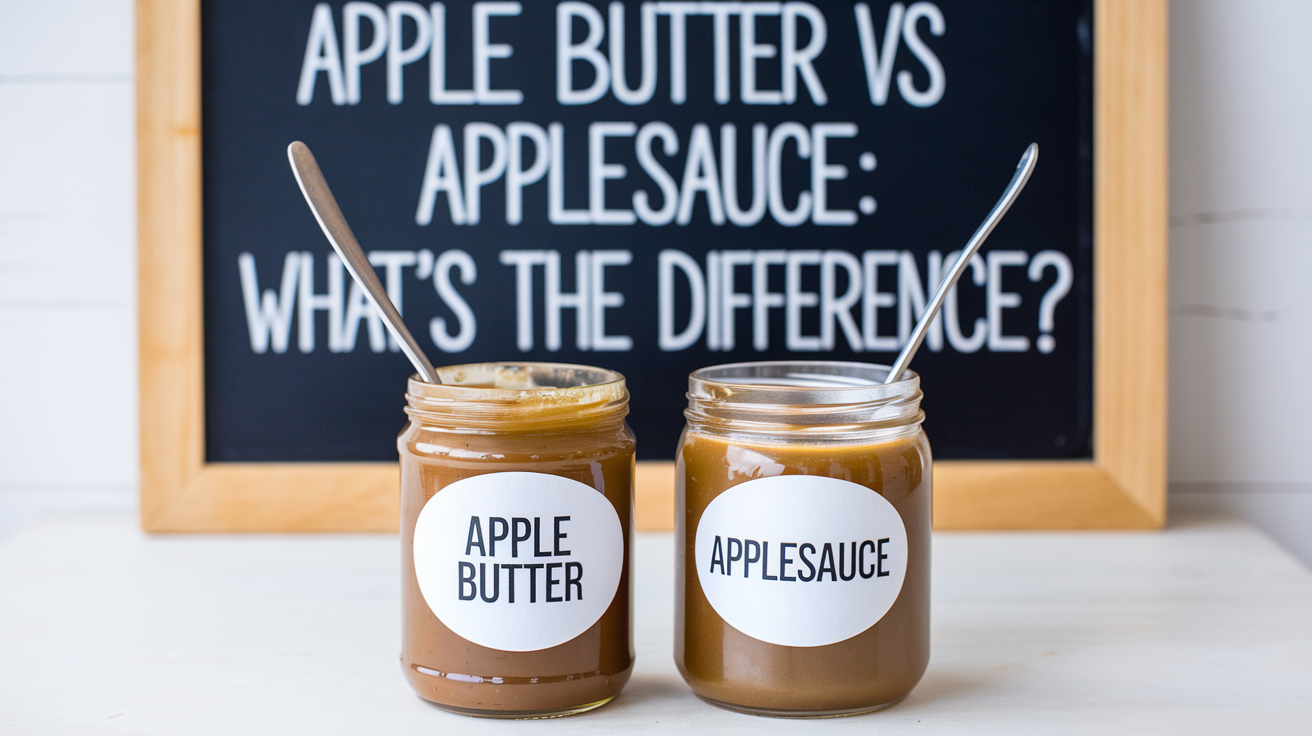
Apple jelly is typically smooth, clear, sweet, and fairly light in flavor.
Apple butter is darker, thicker, and much more concentrated.
The long cooking process gives apple butter a deeper cooked-apple flavor, often with warm spices.
Apple jelly generally has a cleaner apple flavor without the dense texture of fruit butter.
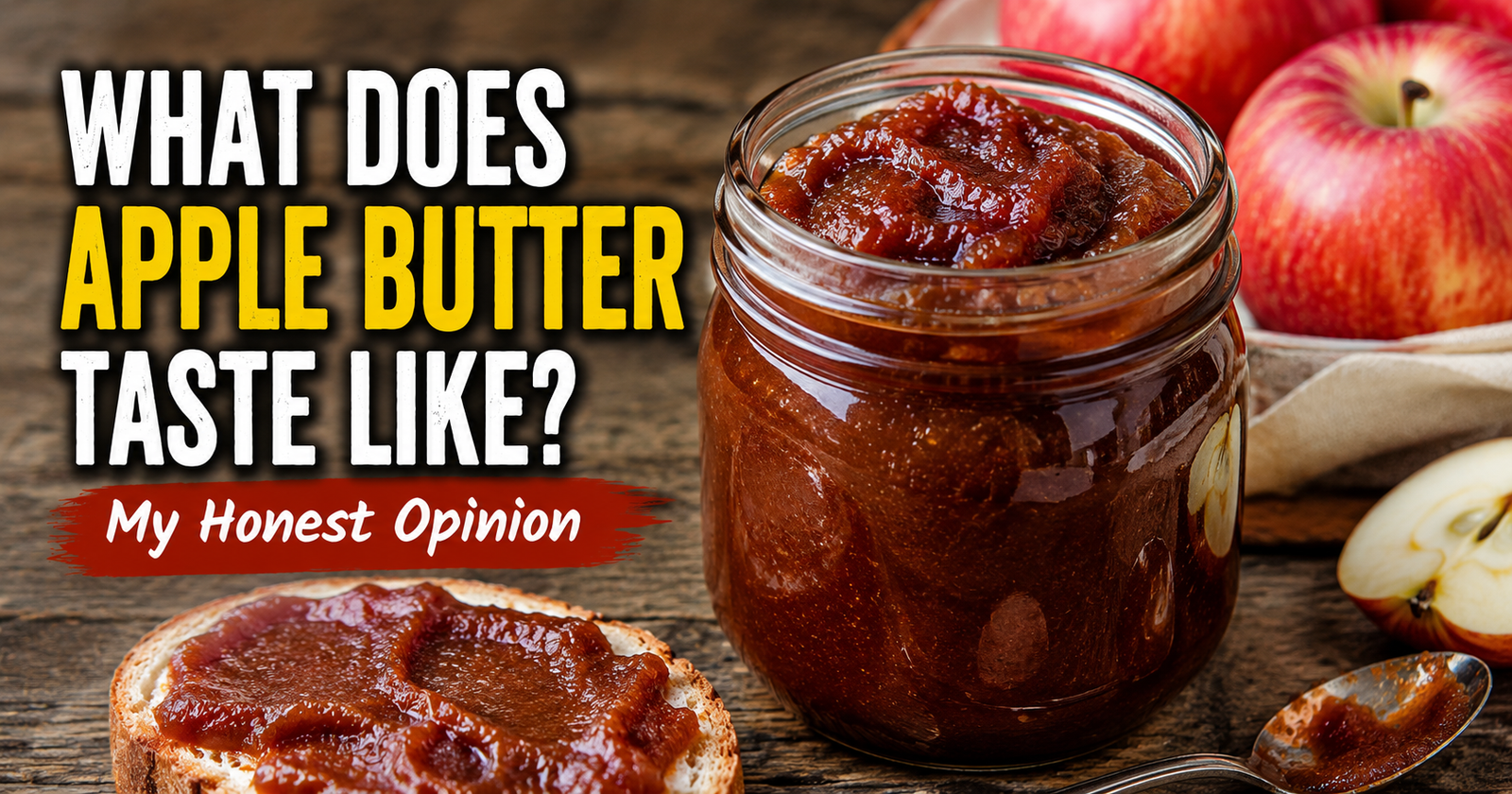
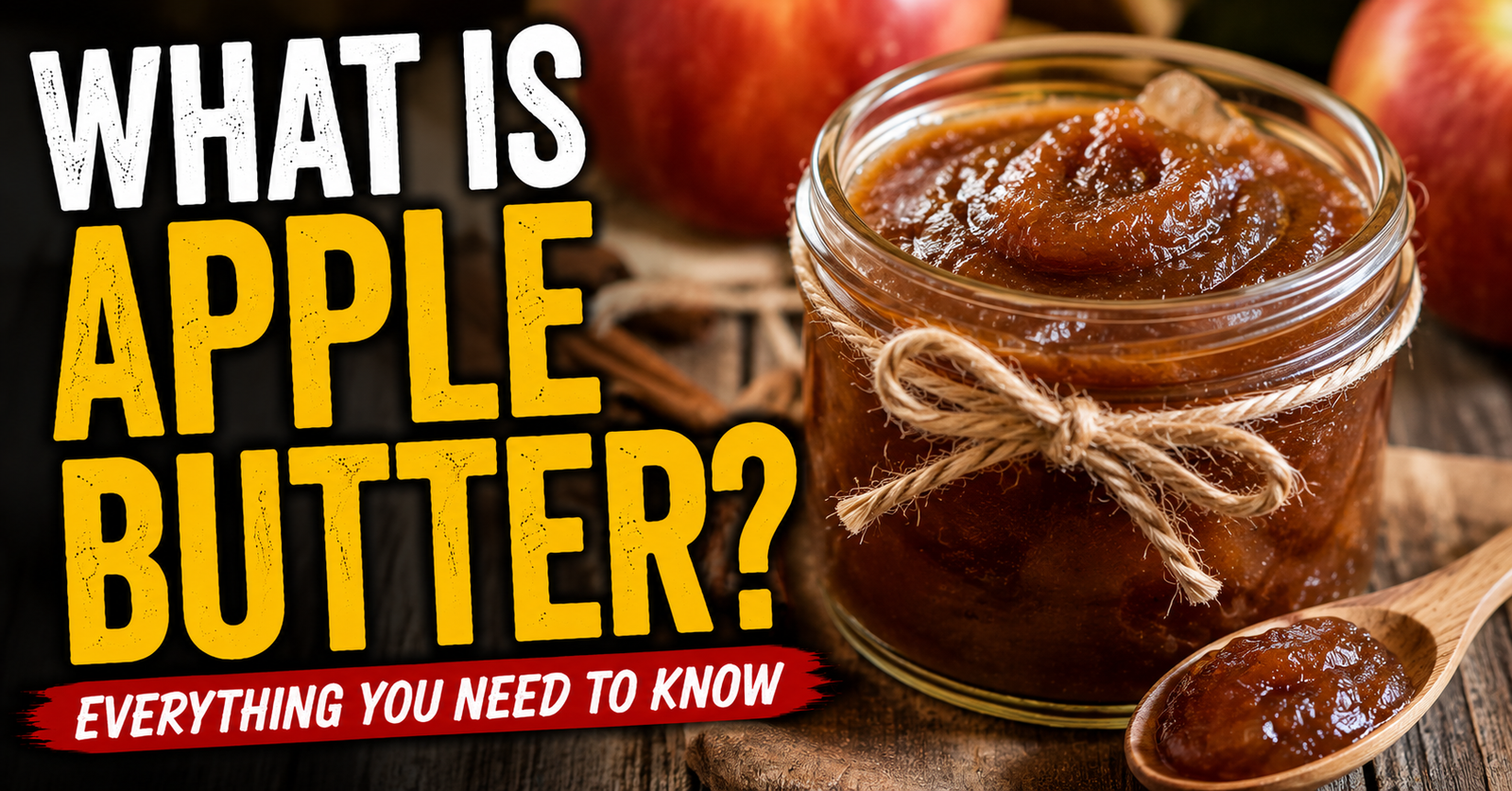
If you’re curious about the differences, I’ve already covered what apple butter actually tastes like based on the fruit spreads we enjoy on our farm.
What Can You Eat Homemade Apple Jelly With?
Apple jelly is one of those spreads that works with more than people realize.
Warm biscuits are an obvious choice. A little apple jelly adds sweetness without overpowering the biscuit.
It’s also excellent on toast, English muffins, and homemade bread.
For breakfast, you can spread it over pancakes or waffles instead of using traditional syrup.
Apple jelly can also be used as an ingredient in sweet glazes for pork or chicken. Its mild fruit flavor works nicely with mustard, vinegar, and other savory ingredients.
For baking, it can make a good filling for thumbprint cookies or pastries.
I also like the idea of using it as a thin glaze on certain fruit desserts, where a little shine and sweetness can make the finished dish look especially appealing.
Common Questions About Making Apple Jelly From Juice
Can I make apple jelly with only apple juice and sugar?
Sometimes, but it depends on the juice’s natural pectin content. Ordinary bottled apple juice may not contain enough effective pectin for a reliable set. I would use a tested recipe specifically suited to the juice and method.
Can I use apple juice with no added sugar?
Yes. Unsweetened 100% apple juice is a good starting point for many jelly recipes. You still need to follow the recipe’s required sugar and pectin measurements.
Can I use liquid pectin instead of powdered pectin?
Not as a direct substitution. Use a recipe specifically designed for liquid pectin.
Can I double the recipe?
I wouldn’t automatically double a jelly recipe. Larger batches can heat and set differently, and many tested recipes specify a maximum batch size.
Can I make apple jelly without lemon juice?
Only when the tested recipe allows it. Lemon juice may contribute acidity needed for proper gelling and, depending on the recipe, safe preservation.
Can I use frozen apple juice?
Some recipes permit frozen commercial fruit juice. Thaw it safely and follow a tested recipe that allows that ingredient.
Why does my jelly taste too sweet?
Traditional jelly requires a substantial amount of sugar for proper gelling. If you prefer less sweetness, use a tested reduced-sugar recipe with the appropriate pectin rather than reducing the sugar yourself.
Is homemade apple jelly supposed to be firm?
It should hold together as a gel while remaining soft enough to spread. It shouldn’t pour like juice, but it also shouldn’t feel rubbery or be difficult to remove from the jar.
Is Making Apple Jelly From Juice Worth It?
I think the biggest advantage is convenience.
You can make a fruit spread without first preparing several pounds of apples.
You don’t need to peel or chop anything.
You don’t have to wait for juice to strain.
And if you use a tested recipe that matches your ingredients, the process can be fairly straightforward.
That makes it a useful option when you want homemade jelly but don’t have a fresh apple harvest available.
For anyone who enjoys traditional fruit preserving, I’d still encourage experimenting with jelly made from fresh apples when they’re in season. There’s something satisfying about using fruit from your own trees.
But bottled juice absolutely has its place in the kitchen.
And if the finished jelly spreads beautifully over a warm biscuit, I don’t think anyone at the breakfast table is going to complain that you started with a bottle of apple juice instead of a bucket of apples.
About the Author
Daxon Weaver is the owner of Weaver Family Farms Produce, where he shares practical information about growing fruit, making jams and jellies, preserving seasonal harvests, and enjoying homegrown food on his family’s Missouri farm.