Peaches have a way of making you impatient. You watch them grow on the tree, see that beautiful red color developing, and start thinking about biting into a sweet, juicy peach. Then you pick one, bring it inside, and discover it’s still hard enough to make you wonder whether you should have left it hanging another week.
If you’ve ever picked peaches too early, or bought a bag of hard peaches from the grocery store, you’ve probably wondered whether they’ll finish ripening on the kitchen counter.
Yes, peaches can continue ripening after they’re picked, but there’s an important catch. They need to be mature enough when harvested.
A mature but firm peach can soften, develop more aroma, and become much more enjoyable after a few days indoors. A peach picked far too early may soften without ever developing the sweet, juicy flavor you were hoping for.
Here on our Missouri family farm, we grow several kinds of fruit, including peaches, apples, pears, pawpaws, and jujubes. One thing I appreciate about growing different fruits is learning that they don’t all behave the same way after harvest.
Peaches are especially interesting because you don’t always have to wait until they’re completely soft before picking them. Sometimes bringing them inside and giving them a little more time is exactly what they need.
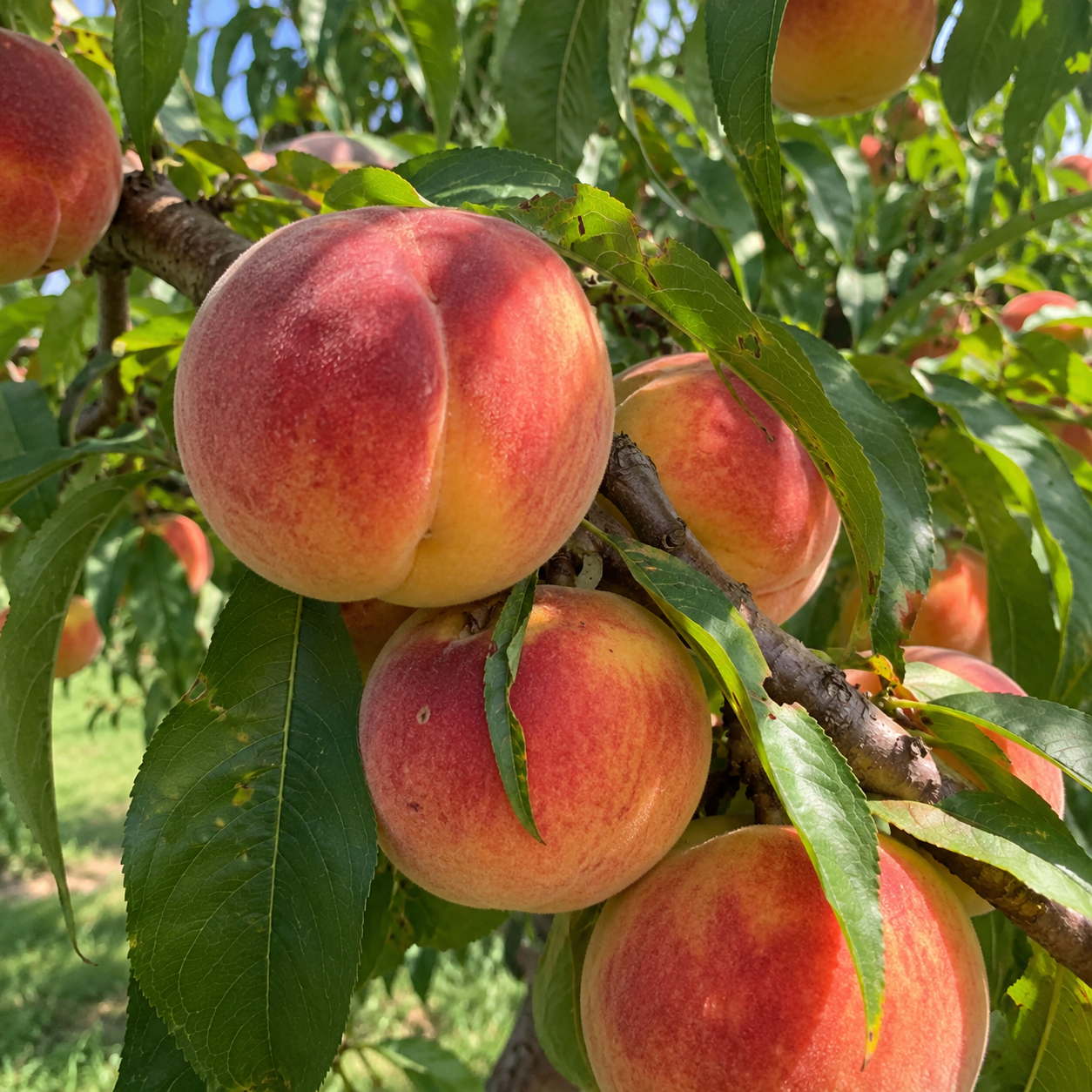
But knowing the difference between a mature peach and one that’s simply too green can save you from a lot of disappointing fruit.
Yes, Peaches Can Ripen After Picking
Peaches belong to a group of fruits called climacteric fruits.
That means they continue certain ripening processes after they’re separated from the tree.
They produce a natural plant hormone called ethylene, which helps regulate ripening.
As a mature peach ripens, several changes happen.
- The flesh becomes softer.
- The fruit develops a stronger peach aroma.
- The background skin color may change.
- Acidity can decrease.
- The flesh becomes easier to bite into.
- The overall eating experience becomes sweeter and more pleasant.
That last point is where things can get a little confusing.
A peach can seem sweeter after sitting indoors, but that doesn’t necessarily mean it’s producing a large amount of additional sugar.
Much of the peach’s sugar content is established while it’s still growing on the tree. After picking, changes in acidity, aroma, and texture can make that existing sweetness much more noticeable.
This is why a peach harvested at the proper maturity can become delicious after a few days on the counter.
But a very immature peach may never catch up.
The Difference Between a Mature Peach and an Unripe Peach
I think this is the most important part of the entire article.
People often use the words mature and ripe as though they mean exactly the same thing.
They don’t.
A mature peach has developed enough on the tree that it can continue ripening after harvest.
It might still be fairly firm.
It might not have reached its best eating texture.
But the fruit has developed far enough to finish ripening properly.
An immature peach is different.
It was removed before it had enough time to develop its full eating potential.
That peach may eventually become softer, but it can remain bland, dry, or disappointing.
What a Mature but Firm Peach Looks Like
When I’m evaluating peaches, I don’t judge them by red color alone.
Instead, I pay attention to the background color, firmness, and overall development.
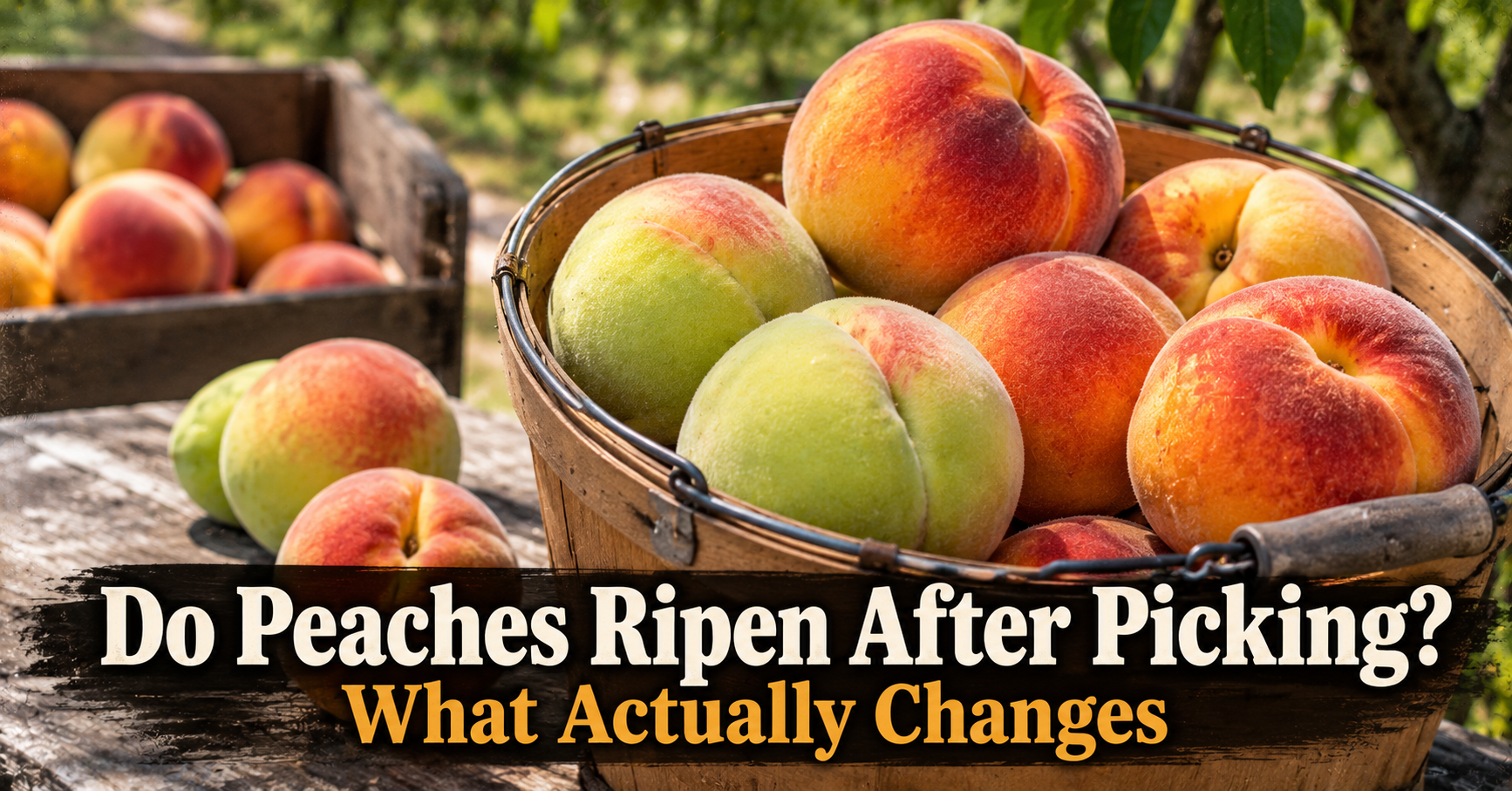
A mature yellow-fleshed peach generally has a background color that’s changing from green toward yellow.
A white-fleshed peach may develop a creamy background color instead.
The fruit may still feel firm, but it shouldn’t look like a tiny green peach that’s nowhere near harvest.
What a Peach Picked Too Early Looks Like
Peaches harvested much too early may have several characteristics.
- A distinctly green background color.
- Very hard flesh.
- Little or no peach aroma.
- Poorly developed flavor.
- A noticeably immature appearance.
The tricky part is that some peaches develop red coloring before they’re ready.
That’s why I wouldn’t automatically pick every peach just because it looks red.

How to Ripen Peaches After Picking
If you’ve got mature but firm peaches sitting on your counter, the process is surprisingly simple.
You don’t need a complicated setup.
You don’t need to add sugar.
And you certainly don’t need to put them in the oven.
For most peaches, room temperature and a little patience are enough.
Step 1: Check the Peaches for Damage
Before setting peaches aside to ripen, inspect them.
I would remove any peaches that are badly bruised, leaking, moldy, or showing signs of rot.
A small cosmetic blemish isn’t necessarily a problem.
But damaged fruit usually deteriorates more quickly than healthy fruit.
I also wouldn’t stack peaches deeply in a bowl where the weight of the fruit can bruise the peaches underneath.
Step 2: Place Them at Room Temperature
Put the peaches somewhere indoors, away from direct sunlight and excessive heat.
A kitchen counter generally works well.
I prefer thinking of this as giving the fruit time to finish ripening rather than trying to force it.
Peaches don’t need a hot windowsill.
In fact, excessive heat can make them soften and deteriorate too quickly.
A comfortable room temperature is usually enough.
Step 3: Keep Them in a Single Layer
This is one simple detail that makes sense for almost any delicate fruit.
Peaches bruise easily.
If they’re stacked on top of each other, the weight can create soft spots before they’re ready to eat.
I’d arrange them in a single layer with enough room that they’re not pressing tightly against one another.
A clean plate or shallow tray works fine.
Step 4: Check Them Every Day
This is where patience and observation matter.
Every day, gently check the fruit near the stem or shoulder.
Don’t squeeze hard enough to leave fingerprints or bruises.
You’re looking for the peach to develop a little give.
At the same time, pay attention to the aroma.
A ripe peach often smells noticeably sweeter and more fragrant than one that’s still immature.
Step 5: Refrigerate Once They’re Ripe
When the peaches reach the stage you enjoy eating, move any extras into the refrigerator.
Cold temperatures slow the ripening process and help preserve their quality.
If I’m planning to eat a peach immediately, there’s no reason to chill it first.
But if I have several ripe peaches and know we won’t finish them that day, refrigeration makes sense.
How Long Do Peaches Take to Ripen After Picking?
For peaches that are already mature but still firm, one to three days at room temperature is a reasonable starting expectation.
Some may be ready sooner.
Others may take longer.
The exact timing depends on several factors.
How Mature Were They When Picked?
A peach that’s already close to ripe may soften by the following day.
A firmer peach harvested at an earlier but still appropriate maturity stage may take several days.
How Warm Is Your Kitchen?
Warmer conditions generally speed up ripening and deterioration.
Cooler room temperatures may slow the process.
That’s why I wouldn’t rely on an exact number of hours.
What Variety Are You Growing?
Not all peach varieties soften at the same rate.
Some varieties develop a soft, melting texture as they ripen.
Others have firmer flesh by nature.
A peach that remains relatively firm isn’t always immature.
It may simply belong to a variety with different flesh characteristics.
Have the Peaches Been Refrigerated?
Refrigeration slows ripening.
If you take a firm peach straight from cold storage, it may take longer to soften after returning to room temperature.
However, improper or prolonged cold storage can also damage peach texture, so keeping peaches cold for too long isn’t always the answer.
Can You Ripen Peaches Faster in a Paper Bag?
Yes, a paper bag can help mature peaches ripen more quickly.
Peaches naturally produce ethylene gas.
Placing them in a paper bag allows some of that ethylene to accumulate around the fruit.
This can encourage ripening.
How I’d Use the Paper Bag Method
- Choose mature, undamaged peaches.
- Place them loosely inside a clean paper bag.
- Fold the top closed without sealing it airtight.
- Keep the bag at room temperature.
- Check the fruit at least once a day.
- Remove the peaches when they become ripe.
I wouldn’t leave the bag sitting unchecked for several days.
A peach can go from pleasantly soft to overly mushy faster than you expect.
Should You Put a Banana in the Bag?
You can.
Ripe bananas also release ethylene, which can help stimulate ripening.
But I wouldn’t consider a banana necessary.
Peaches produce their own ethylene.
The paper bag method can work without adding another fruit.
If you do add a banana, check the peaches more frequently because the process may speed up.
Can a Paper Bag Fix Peaches Picked Too Early?
Unfortunately, no.
This is something I wish more people understood.
Ethylene encourages ripening processes, but it can’t completely replace the development that should have happened while the fruit was attached to the tree.
A very immature peach may become softer without becoming delicious.
Do Peaches Get Sweeter After Picking?
This is where the answer needs a little explanation.
A peach can absolutely taste sweeter after ripening on the counter.
But that doesn’t mean it gained a large amount of new sugar.
Peaches are different from fruits like bananas, which have substantial starch reserves that can convert into sugar during ripening.
Peaches accumulate much of their sugar while growing on the tree.
After picking, changes in acidity, aroma, and flesh texture influence how sweet the peach tastes.
As acidity decreases and aromatic compounds develop, the fruit may seem sweeter even without a major increase in sugar content.
Why Tree-Ripened Peaches Often Taste Better
If you’ve ever eaten a peach that’s been allowed to mature beautifully on the tree, you probably understand the appeal.
The flavor can be outstanding.
Commercial growers sometimes harvest peaches firm enough to withstand packing, transporting, and shipping.
That makes sense from a business standpoint.
A peach picked at peak softness would be much more vulnerable to bruising before reaching the grocery store.
For home growers, there’s a little more flexibility.
You can often leave peaches on the tree longer when you’re planning to eat them immediately.
That extra time may allow them to develop fuller flavor before harvest.
How to Tell When a Peach Is Finally Ready to Eat
I don’t think there’s one perfect test for every peach.
Instead, I’d use several clues together.
A Little Softness
The peach should generally give slightly to gentle pressure if it’s a traditional melting-flesh variety.
It shouldn’t feel rock hard.
But it also shouldn’t feel like it’s collapsing under your fingers.
A Sweet Peach Aroma
A ripe peach usually develops a noticeable fruity smell.
Sometimes you can smell that aroma before cutting it open.
If the peach has almost no smell, it may need more time.
Background Color
For yellow peaches, look for a yellow rather than green background color.
For white peaches, look for the creamy background color associated with that variety.
Don’t rely solely on the red blush.
The Taste Test
Sometimes the easiest way to find out is simply to taste one.
If the peach is juicy, flavorful, and has the texture you enjoy, it’s ready.
If it’s still bland and unpleasantly firm, the remaining fruit may need additional time, provided it was mature enough when picked.
Why Are My Peaches Still Hard After Several Days?
If peaches have been sitting indoors for several days and haven’t softened much, there are several possibilities.
They Were Harvested Too Early
This is one of the biggest possibilities.
Immature peaches may never ripen normally.
They can become rubbery or deteriorate without developing good flavor.
The Variety Naturally Has Firm Flesh
Some peach varieties are naturally firmer than others.
Nonmelting-flesh peaches, commonly used for processing, don’t soften the same way as traditional melting-flesh peaches.
Knowing the variety you’re growing can help avoid confusion.
They Were Stored Too Cold
Peaches can develop chilling injury when kept at certain cold temperatures for extended periods.
This can cause mealiness, internal browning, and abnormal texture.
That’s one reason I wouldn’t keep hard peaches in the refrigerator for days while expecting them to ripen normally.
The Fruit Is Losing Moisture Instead of Ripening Properly
Sometimes a peach begins shriveling or developing a rubbery texture.
That isn’t the same as healthy ripening.
If the fruit becomes wrinkled, dry, or unpleasant, it may simply be deteriorating.

Can You Ripen Peaches in the Refrigerator?
Not effectively in the same way you would at room temperature.
Refrigeration slows the biochemical changes involved in ripening.
That’s helpful when peaches are already ripe and you want to preserve them a little longer.
It’s not ideal when your main goal is to help firm peaches finish ripening.
My general approach would be simple.
Firm but mature peaches go on the counter. Ripe peaches that won’t be eaten immediately go in the refrigerator.
That little distinction can make a noticeable difference in eating quality.
Why Do Peaches Sometimes Become Mealy?
This is one of the most disappointing things that can happen to a peach.
You bite into it expecting juicy, tender flesh.
Instead, it feels dry, grainy, or almost cottony.
That’s commonly described as a mealy peach.
Mealiness can result from chilling injury, particularly when susceptible varieties spend too long in problematic temperature ranges.
The peach’s cell structure changes, affecting how juice is released when you bite into it.
Unfortunately, a mealy peach usually doesn’t return to normal just because you leave it on the counter.
Can You Still Use Mealy Peaches?
Sometimes.
If the peaches are otherwise sound and have been stored safely, they may still be useful in cooked dishes.
However, mealiness accompanied by spoilage, mold, or an unpleasant odor is a different problem.
I wouldn’t try to save fruit that’s clearly deteriorating.
What If Your Peaches Fall Off the Tree Before They’re Ripe?
This is another situation that catches home growers off guard.
A peach falling from the tree doesn’t automatically mean it was ripe.
Fruit can fall because of several issues.
- Normal early fruit thinning.
- Strong winds or storms.
- Drought stress.
- Insect damage.
- Disease.
- Excessive fruit load.
If I found several peaches on the ground, I’d inspect them rather than assume they’re ready to eat.
A mature peach knocked down shortly before harvest may still ripen indoors.
A tiny immature peach that dropped weeks early probably won’t develop into good eating fruit.
Can You Eat Peaches That Fell Early?
It depends on their condition and maturity.
A recently fallen, mature peach with intact skin may still be usable after appropriate washing and inspection.
But fruit that’s split, moldy, contaminated, or beginning to rot isn’t something I’d bring into the kitchen.
I wouldn’t try to ripen damaged peaches for extended periods because broken skin makes spoilage more likely.
Should You Pick Peaches Before a Storm?
This is a question I think every home orchard owner eventually runs into.
You know the peaches are getting close.
Then the forecast calls for heavy rain, strong winds, or severe weather.
Do you leave them on the tree and hope for the best?
Or pick them early?
I would base that decision on maturity.
If the peaches have reached an appropriate stage for harvest, picking them firm before a storm may be reasonable.
If they’re still small and clearly immature, harvesting them early probably won’t produce the result you want.
The important thing is not confusing early picking with mature picking.
Will Green Peaches Turn Red After Picking?
They may continue changing color, depending on their maturity and variety.
But red color isn’t the best indicator of ripeness.
Some peaches naturally develop a strong red blush while the background remains green.
Others may be fully mature without becoming especially red.
That’s why I’d focus on background color, firmness, aroma, and maturity rather than waiting for the entire peach to turn red.
Can You Use Peaches That Never Ripen Properly?
If peaches stay hard and bland after several days, I wouldn’t keep waiting indefinitely.
First, inspect them for signs of spoilage.
If they’re still sound but simply lack sweetness, certain cooking applications may be an option.
For example, slightly underripe but mature peaches can sometimes work in baked desserts where sugar and cooking help balance the tartness.
But I wouldn’t use very immature peaches as a direct substitute for properly ripe fruit in recipes that depend on their natural sweetness.
And if you’re planning to can peaches, follow a tested preservation recipe that specifies the appropriate fruit maturity and preparation method.
Peaches vs. Apples: Do They Ripen the Same Way?
This comparison is especially interesting because we grow both fruits here on our farm.
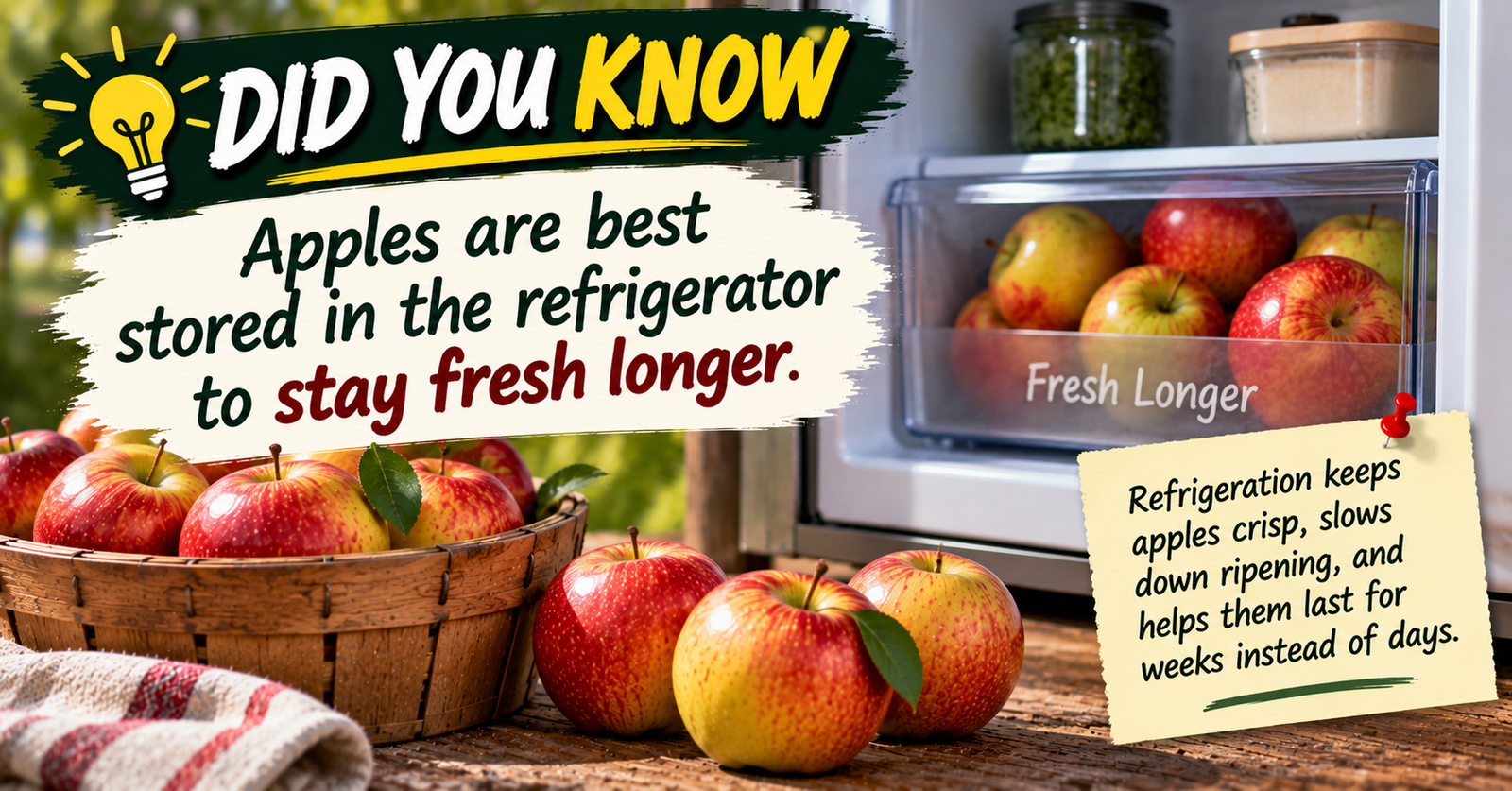
Peaches and apples both respond to ethylene and continue physiological changes after harvest, but their eating-quality changes aren’t identical.
Peaches commonly become noticeably softer, more aromatic, and more pleasant to eat after being picked mature but firm.
Apples are often harvested at a maturity stage suited to their intended use and may continue changing during storage, but the goal is usually to maintain crispness rather than soften the fruit.
That’s why I don’t treat an apple and a peach the same way after harvest.
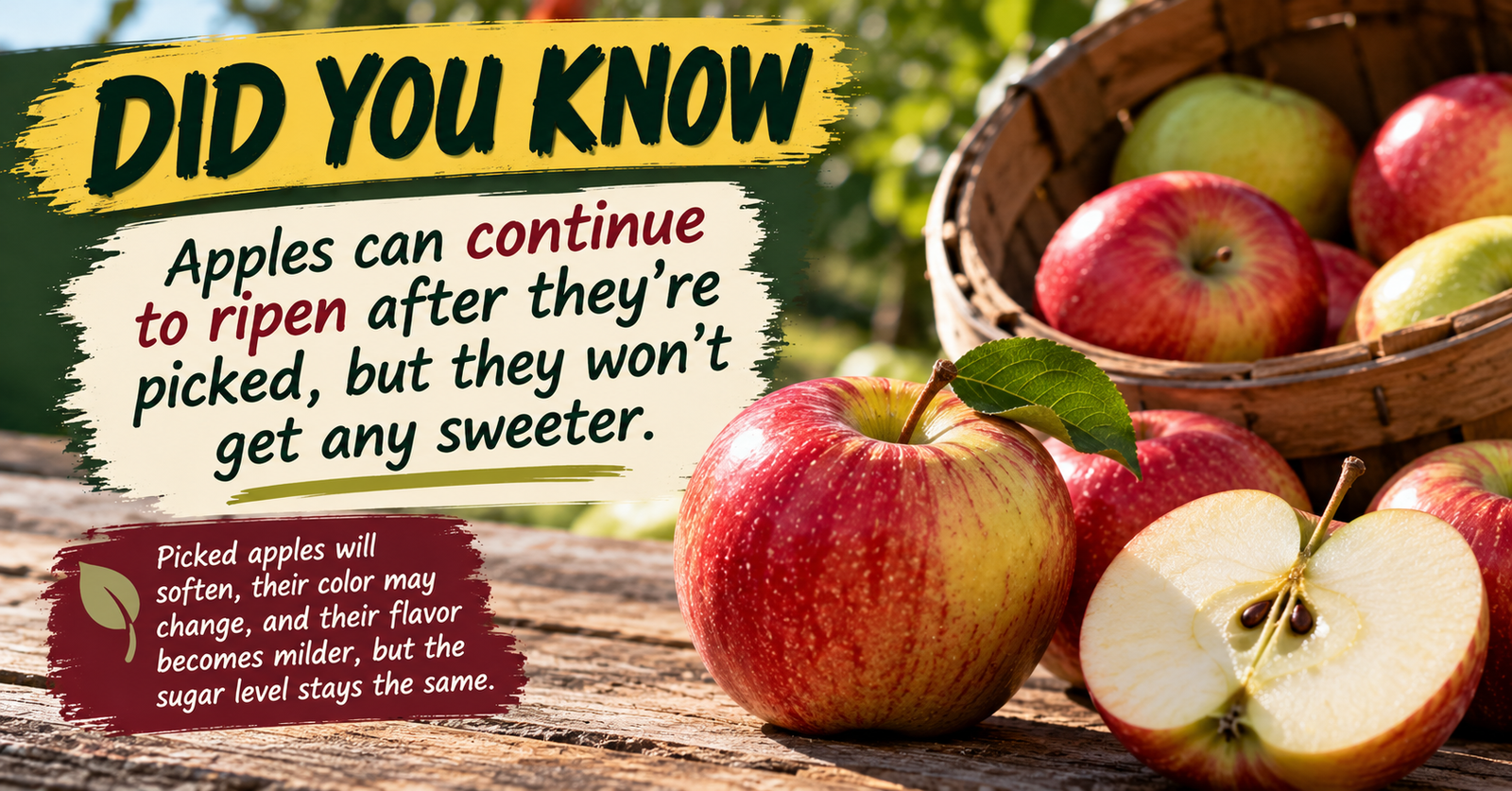
For another perspective on postharvest changes, I covered what happens to apples after they’re picked in a separate article.
Do White Peaches and Yellow Peaches Ripen Differently?
Both can continue ripening after picking when harvested at the proper maturity stage.
The main difference for someone checking ripeness is the fruit’s natural background color.
Yellow-fleshed peaches typically change toward yellow as they mature.
White-fleshed peaches may develop a cream-colored background instead.
White peaches can also taste less tart because of their lower acidity, depending on the variety.
That can make them seem especially sweet even when their sugar content isn’t dramatically different.
I’d still use firmness, aroma, and background color together rather than relying on one sign.
How to Store Peaches Once They’re Ripe
Once peaches have softened to the stage you enjoy, the goal changes.
Instead of encouraging more ripening, you want to preserve their quality.
Refrigerate Ripe Peaches
Place ripe peaches in the refrigerator if you’re not eating them immediately.
Keep them in a shallow container or arrange them so they aren’t crushed.
Handle them gently because bruises can develop quickly.
Don’t Wash Them Until You’re Ready to Use Them
I’d generally leave peaches unwashed until shortly before eating or preparing them.
Excess surface moisture during storage can encourage deterioration.
When it’s time to eat them, rinse them under clean running water.
Check Them Frequently
Even refrigerated peaches don’t last forever.
I’d check them every day or two rather than assuming they’re fine for weeks.
Use the softest, ripest fruit first.
Freeze Extra Peaches Before They Spoil
If you’ve got more ripe peaches than your family can finish, freezing can be a good preservation option.
Peaches can be frozen in slices or other preparations using appropriate fruit-freezing methods.
For the best quality, prepare and freeze them while they’re ripe and healthy rather than waiting until they’re overripe.
Common Questions About Peaches Ripening After Harvest
Can I leave peaches on the counter overnight?
Yes. Mature, firm peaches are generally ripened at room temperature. Check them regularly and refrigerate once ripe.
Will peaches ripen in a plastic bag?
They may, but a sealed plastic bag can trap moisture and encourage spoilage. A paper bag is usually a better choice for encouraging ripening.
Does putting peaches in sunlight help them ripen?
I wouldn’t recommend it. Direct sunlight and excessive heat can damage fruit and accelerate deterioration. Room temperature away from direct sun is better.
Can you make peaches sweet after picking them too early?
You can’t reliably create the same sweetness and flavor that would have developed if the fruit had stayed on the tree until properly mature. Ripening can improve mature peaches, but it can’t fully rescue severely immature ones.
Why do grocery store peaches feel so hard?
Peaches are often harvested while firm enough to withstand packing and shipping. If they were picked at the proper maturity stage, they can continue ripening at home.
Can you ripen a peach in the microwave?
Heating may soften parts of the fruit, but it doesn’t reproduce normal ripening. I wouldn’t use a microwave to ripen peaches.
What if my peaches become soft but still taste sour?
They may have been picked too early, may be a naturally tart variety, or may not have developed their best flavor. Softness alone doesn’t guarantee sweetness.
How do I know if a peach is overripe?
Watch for excessive mushiness, leaking juice, fermentation odors, mold, or decaying areas. A very soft peach isn’t automatically spoiled, but damaged or spoiled fruit should be discarded.
Can you eat peaches while they’re still firm?
Yes, provided the fruit is mature, sound, and suitable for eating. Some people enjoy a firmer texture. However, very immature green peaches may be unpleasant and lack good flavor.
How many times should you harvest a peach tree?
Peaches generally don’t all mature on exactly the same day. Picking over several rounds is normal, allowing you to harvest fruit as it reaches the appropriate maturity.
What I’d Remember Before Picking Another Peach
If I could give one piece of advice to someone growing peaches for the first time, it would be this:
Don’t confuse a peach that’s firm with one that isn’t mature.
A mature peach can be picked firm and still finish ripening beautifully indoors.
But if you harvest it far too early, there’s only so much improvement you can expect.
That’s why understanding the signs of maturity matters just as much as knowing how to ripen fruit on the counter.
I think one of the best parts of growing your own peaches is having the freedom to decide exactly when to harvest.
You aren’t necessarily picking fruit for a truck ride across the country.
You can watch the background color develop, pay attention to the aroma, gently check the firmness, and let each peach mature at its own pace.
Then, if a few are still slightly firm when you bring them inside, there’s no reason to panic.
Give them a little time.
Keep an eye on them.
And enjoy them when they’re ready.
That’s a much better approach than picking everything at once and hoping it all turns out the same.
About the Author
Daxon Weaver is the owner of Weaver Family Farms Produce, where he shares practical information about growing, harvesting, and preserving apples, peaches, pears, pawpaws, jujubes, berries, and other fruits on his family’s Missouri Zone 6a farm. His articles combine real orchard experience with research-based growing and food preservation guidance.