
When you pick an apple straight from a tree, it can look so clean and beautiful that you almost want to take a bite right there in the orchard.
But even an apple that looks perfectly clean can have things on its skin you wouldn’t want to eat.
There might be dust, pollen, traces of soil, insect residue, or microorganisms you can’t see.
And when you’re buying apples at the grocery store, there’s another question people often have. What about the wax and pesticide residues that might be on the skin?
Here at Weaver Family Farms in Missouri, we grow several kinds of fruit, including apples, peaches, pears, jujubes, pawpaws, and berries. One thing I think is important when you’re growing your own food is understanding how to handle it after harvest.
Just because something came from your own tree doesn’t automatically mean it doesn’t need washing.
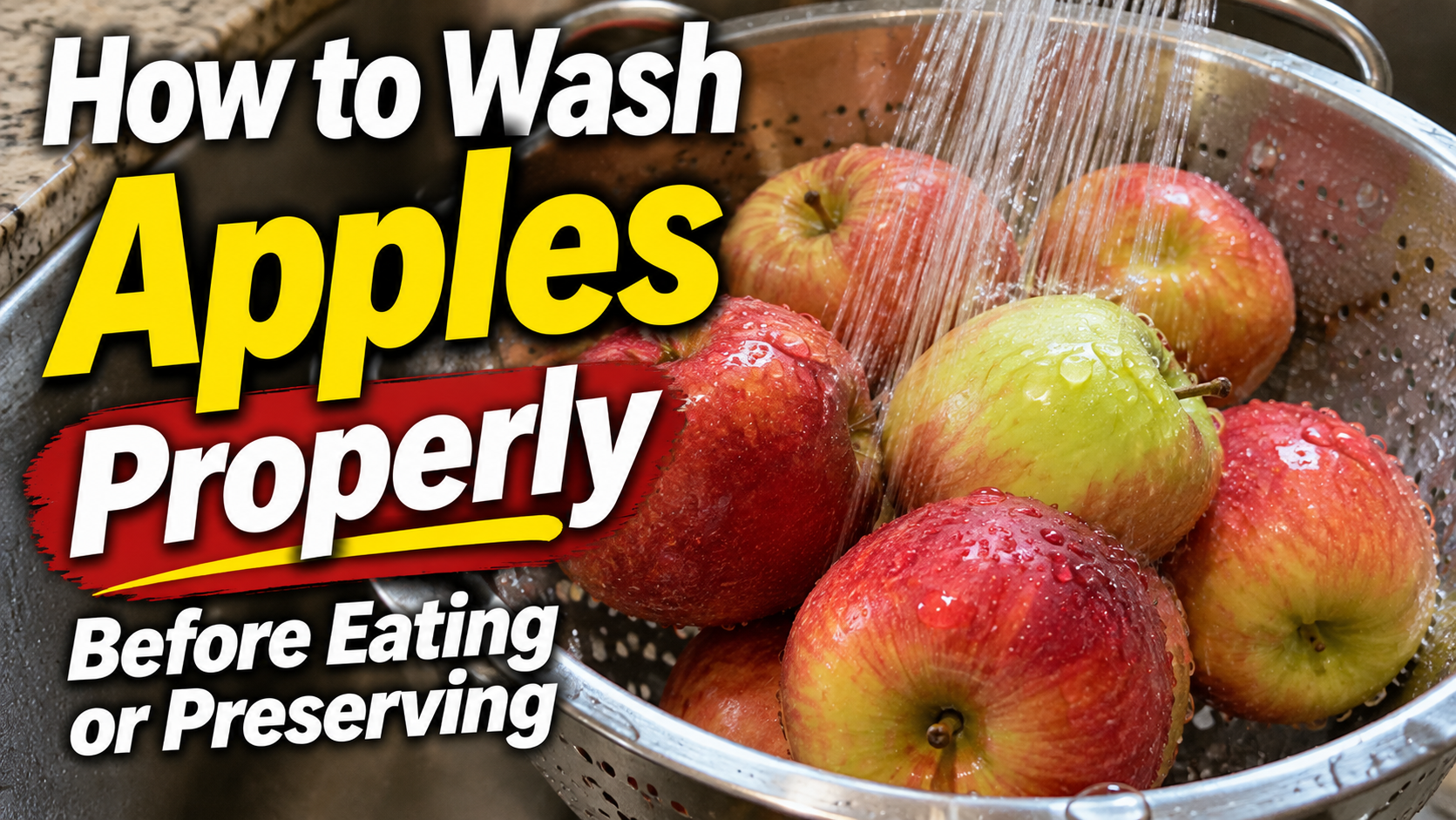
The best way to wash apples is under cool, clean running water while gently rubbing the skin with your hands. You don’t need dish soap, bleach, or expensive produce cleaners. The FDA recommends plain running water because it helps remove dirt and reduce bacteria without introducing cleaning chemicals that aren’t meant to be consumed.
That’s the method I’d recommend whether you’re getting ready to eat an apple, slice it for your kids, make apple butter, or prepare a batch for the dehydrator.
But there are a few things worth understanding, especially if you’re worried about pesticides, wax, or storing your apples after washing them.
How to Wash Apples the Right Way
You don’t need to turn washing an apple into a complicated project.
For ordinary apples that are in good condition, the process is pretty simple.
1. Wash Your Hands First
Before handling apples or preparing any other fresh produce, wash your hands with soap and warm water for at least 20 seconds.
That’s something the FDA specifically recommends.
If you’ve been outside working in the garden, handling animals, or doing chores around the farm, it’s especially important to start with clean hands.
You don’t want to transfer something from your hands onto the fruit while you’re trying to clean it.
2. Inspect the Apple Before Washing
I would give each apple a quick look before taking it to the sink.
Check for obvious mold, rotten areas, broken skin, or major damage.
A little cosmetic marking isn’t necessarily a problem.
We’ve grown apples with different spots and skin imperfections, and one thing I’ve learned is that the appearance of an apple doesn’t always tell you what’s happening inside.
But there’s an important difference between a harmless-looking surface blemish and actual decay.

I explain that distinction in more detail in our article about whether apples with black spots are safe to eat.
If an apple is rotten or moldy, washing it isn’t going to make it safe.
3. Rinse Under Clean Running Water
Hold the apple beneath cool running tap water.
Rotate it so the water reaches the entire surface.
Pay attention to the area near the stem and the indentation at the bottom.
Those spots can collect dust or small pieces of debris.
I wouldn’t simply dip the apple into a bowl of water and assume that’s the same as washing it under a faucet.
Running water helps carry loosened dirt away from the fruit instead of leaving it sitting in the same water.
4. Gently Rub the Skin
While the water is running, use your fingers to gently rub the apple’s surface.
You don’t need to scrub aggressively.
A little friction helps loosen dirt and material that may be clinging to the skin.
For particularly firm apples with stubborn surface dirt, a clean produce brush can also be used gently.
I would avoid using a brush that’s been sitting beside the kitchen sink collecting residue from dishes.
If you’re going to use a brush for fruit, keep one clean and dedicated to produce.
5. Dry the Apple With a Clean Towel
After rinsing, dry the apple with a clean towel or paper towel.
The FDA recommends drying washed produce because this can help further reduce bacteria remaining on the surface.
It also makes the apple easier to handle when you’re cutting it.
If you’re planning to eat it immediately, you’re ready to go.
If you’re cutting several apples for a recipe, place them on a clean cutting board and use a clean knife.
Should You Wash Apples With Soap?
No.
This is one of the most important things I want readers to understand.
Do not wash apples with dish soap, hand soap, laundry detergent, or household cleaners.
I understand why someone might think soap would help.
We wash our hands with soap.
We wash our dishes with soap.
So why wouldn’t we wash apples the same way?
The problem is that fruit isn’t a dinner plate.
Apples have a natural skin with pores and other structures. Cleaning products that aren’t meant for food can leave residues behind, and some substances may be absorbed.
The FDA specifically advises against washing fresh produce with soap or detergent.
The same goes for bleach and household disinfectants.
You don’t need any of those products to wash an apple properly.
Plain running water is the recommended starting point.

Does Washing Apples Remove Pesticides?
Washing apples can reduce some pesticide residues, particularly those remaining on the surface.
But there’s an important limitation.
No home washing method can guarantee that every pesticide residue has been removed.
The EPA explains that washing and rubbing produce under running water can remove dirt, bacteria, and some chemical residues.
However, certain pesticides may adhere strongly to the skin, while others can penetrate into plant tissues.
That means washing an apple isn’t the same thing as making every possible residue disappear.
What About Pesticides That Are Inside the Apple?
Some pesticide products are systemic, meaning they can move into plant tissues.
If a residue is beneath the skin, ordinary washing may not remove it.
That’s why I’d be cautious about any homemade cleaning trick promising to remove 100% of pesticides.
It may reduce certain surface residues.
That doesn’t mean it removes everything.
Does Peeling an Apple Remove More Pesticide Residue?
Peeling can reduce some residues associated with the skin.
But there are trade-offs.
Apple peels also contain fiber and other beneficial compounds.
Removing the peel means losing some of those nutrients.
For everyday eating, I wouldn’t tell everyone they must peel their apples.
I’d recommend properly washing them and making an informed choice based on their preferences and circumstances.
Is Baking Soda Better for Washing Apples?
You’ve probably seen this one online.
Someone fills a bowl with water, adds baking soda, drops in a few apples, and claims it’s the best way to remove pesticides.
There’s actually research behind part of that idea.
A 2017 study published in the Journal of Agricultural and Food Chemistry compared different washing treatments on apples exposed to two particular pesticides.
Researchers found that a baking soda solution removed those surface pesticide residues more effectively than tap water under the study’s conditions.
However, there’s an important detail that often gets left out when people discuss this study.
The baking soda treatment did not remove pesticide residues that had already penetrated into the apple peel.
It also wasn’t a study demonstrating that baking soda removes every pesticide used on every apple variety.
That’s why I wouldn’t describe baking soda as a miracle fruit cleaner.
Should You Soak Apples in Baking Soda Water?
For routine home washing, I would stick with cool running water.
That’s the FDA’s general recommendation, and University of Minnesota Extension also notes that soaking produce isn’t recommended as a routine practice because it can introduce food safety and quality concerns.
A baking soda solution may affect certain surface residues, but it isn’t a substitute for clean water, proper handling, or safe storage.
If your concern is pesticide exposure, it’s more useful to understand what washing can and cannot accomplish rather than assuming one ingredient solves everything.

Does Vinegar Clean Apples Better Than Water?
Vinegar is another popular homemade produce wash.
People sometimes mix it with water and soak apples before eating them.
But I wouldn’t make vinegar a requirement.
The University of Minnesota Extension explains that research hasn’t shown a significant food safety benefit from home produce washes compared with cool running water.
Vinegar may affect the flavor of produce, and it isn’t a reliable guarantee that harmful microorganisms have been eliminated.
If an apple is contaminated with something dangerous, soaking it in diluted vinegar doesn’t necessarily make it safe.
For routine cleaning, running water and gentle rubbing remain the practical approach.
How to Remove Wax From Apples
This is something grocery shoppers ask about quite often.
You bring home a shiny red apple, run it under water, and notice the skin still feels slightly slick.
Does that mean the apple is dirty?
Not necessarily.
Apples Naturally Have a Waxy Coating
Here’s something that surprises some people.
Apples produce a natural waxy layer on their skin.
That coating helps protect the fruit and reduce moisture loss.
So even an apple picked from a tree without an added commercial coating can have a waxy feeling.
It’s part of the fruit’s natural surface.
Why Are Some Grocery Store Apples Extra Shiny?
Commercially marketed apples may have an approved food-grade wax coating applied after harvesting and washing.
This helps reduce moisture loss and can improve appearance during storage and transportation.
According to University of Minnesota Extension, approved produce wax coatings are regulated by the FDA and are considered safe to eat when used as intended.
Do You Need to Remove All the Wax?
No.
Food-grade wax coatings aren’t something you must remove before eating an apple.
Washing the apple under running water remains appropriate.
If you want to remove some surface wax, gently rubbing the skin or using a clean produce brush can help.
But I wouldn’t recommend scalding apples with extremely hot water, using dish soap, or scrubbing so aggressively that you damage the peel.
The goal is to clean the apple, not destroy its protective skin.
Should You Wash Apples Before Putting Them in the Refrigerator?
This is where washing and storage become two separate questions.
For apples you’re planning to keep fresh for a while, I would generally wait to wash them until you’re ready to eat or prepare them.
Why?
Because storing fruit while it’s wet can encourage deterioration.
Moisture left around the stem or in the bottom indentation may contribute to storage problems if the fruit isn’t dried thoroughly.
Montana State University Extension recommends waiting to wash apples until they’re ready to eat.
What If the Apples Came From Your Own Tree?
If I had just harvested a basket of apples from our orchard and wanted to store them for several weeks, I wouldn’t automatically wash the entire harvest and put it into the refrigerator while still damp.
I’d first sort the apples.
I’d look for bruising, insect damage, broken skin, and other problems.
Then I’d store the sound fruit under appropriate conditions.
When it came time to eat or preserve them, I’d wash them.
If apples need to be washed before storage because they’re visibly dirty, dry them thoroughly first.
Why Refrigeration Matters for Apples
Apples generally keep their quality longer under cool storage conditions than they do on a warm kitchen counter.
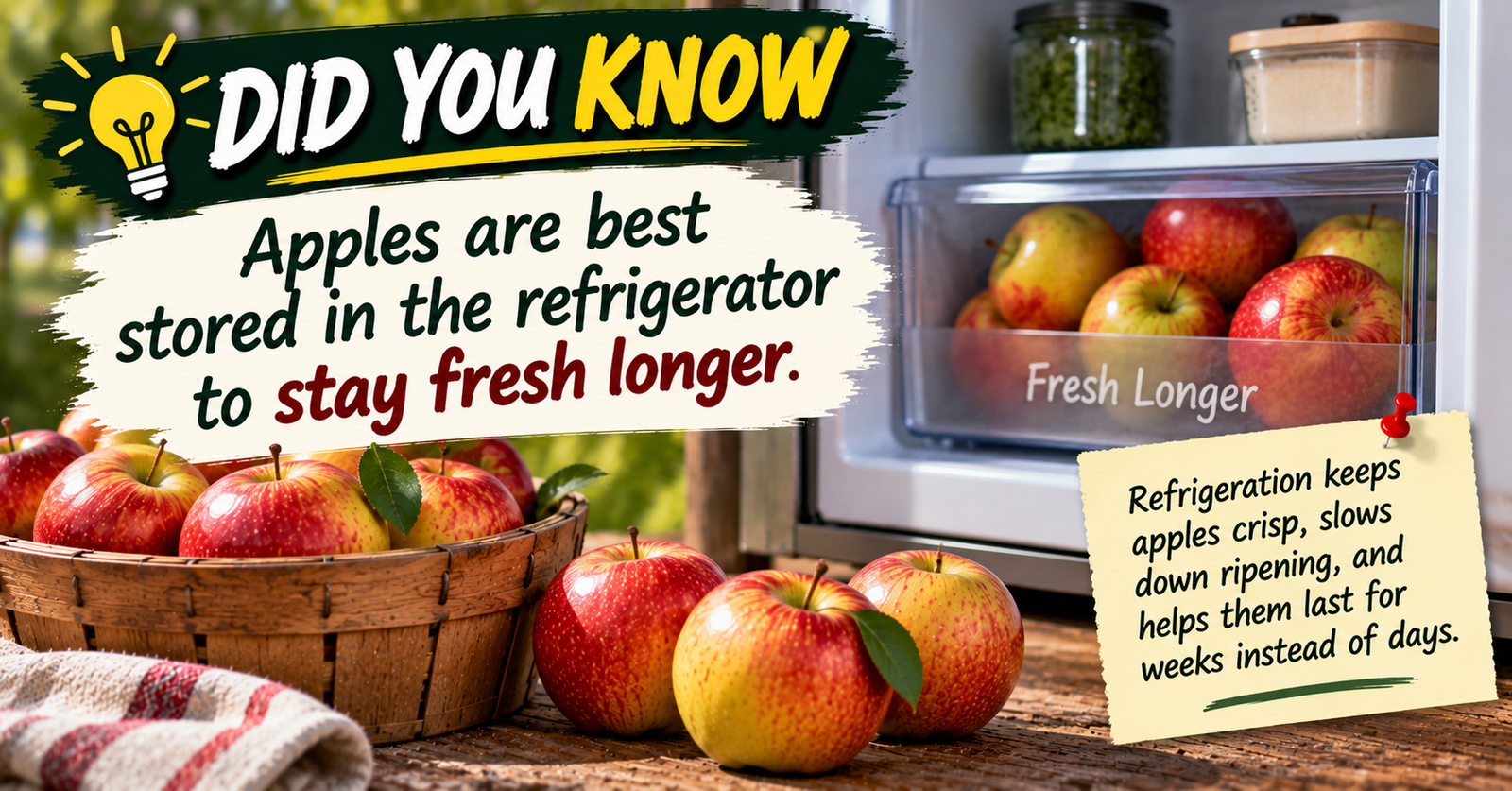
I’ve covered the storage side in our guide explaining whether apples should be refrigerated.
Washing is only one part of handling a harvest.
Temperature, fruit condition, and storage practices all affect how long those apples remain enjoyable.
Do You Need to Wash Apples From Your Own Tree?
Yes.
And this is something I think home growers should take seriously.
It’s tempting to assume that because an apple came from your own property, it’s automatically cleaner than something from the store.
But growing your own fruit doesn’t eliminate exposure to the outdoors.
An apple can collect dust, pollen, insects, or bird droppings.
Animals may move through the orchard.
Rain can splash soil onto lower fruit.
And even when the apple looks perfectly clean, you can’t see everything that might be present on its surface.
That’s why I wouldn’t skip washing simply because we grew the apple ourselves.
What About Apples You Pick and Eat Immediately?
For the safest routine, take the fruit inside and wash it under clean running water first.
I know part of the appeal of growing fruit is being able to enjoy it right off the plant.
But from a food safety standpoint, washing is still recommended.


How to Wash Apples Before Making Apple Butter
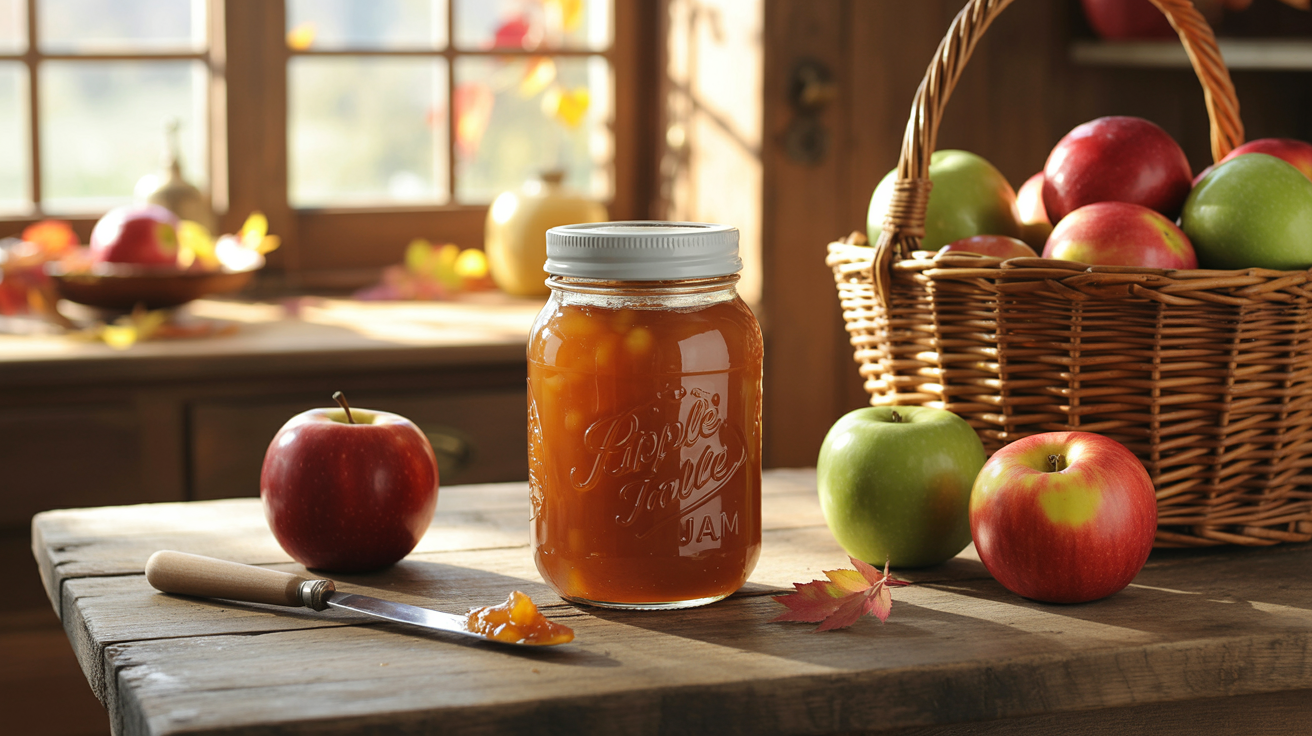
If you’re making homemade apple butter, washing the fruit is one of the first preparation steps.
Apple butter involves cooking apples until they become soft and then reducing the mixture into a thick, flavorful spread.
But cooking shouldn’t be used as an excuse to skip proper preparation.
I’d begin with sound apples, wash them thoroughly, and remove damaged or unsuitable portions before following the recipe.
Do You Need to Peel Apples for Apple Butter?
That depends on the recipe and the equipment you’re using.
Some methods remove the peels before cooking.
Others cook apples with the peels and then pass the mixture through a food mill.
Either way, wash the apples first.
You don’t want dirt from the skin transferring into the flesh during cutting or processing.

If you’re deciding which varieties to use, our article about the best apples for making apple butter explains how different apples affect the flavor of the finished spread.
And if you’re planning to can apple butter, always follow a tested preservation recipe with appropriate processing instructions.
Washing is important, but it doesn’t replace correct canning procedures.
How to Wash Apples Before Dehydrating Them
Dehydrating is another situation where preparing the apples properly matters.
Once the slices are dried, you want them to be clean, thoroughly dehydrated, and suitable for storage.
I would start with firm, healthy apples.
Wash them under running water, then dry the outside.
After that, remove the core and slice the apples according to the drying method you’re following.
Should You Wash Apples Before Peeling Them?
Yes.
Even if you’re planning to remove every bit of peel, rinse the whole apple first.
Otherwise, your knife or peeler may transfer contaminants from the surface onto the exposed flesh.
Should You Wash Apple Slices After Cutting Them?
It’s better to wash the whole apple before cutting.
You generally don’t need to wash every individual slice afterward.
Extra rinsing can introduce more moisture and may make preparation less convenient.
After slicing, follow the pretreatment and drying instructions appropriate for your method.
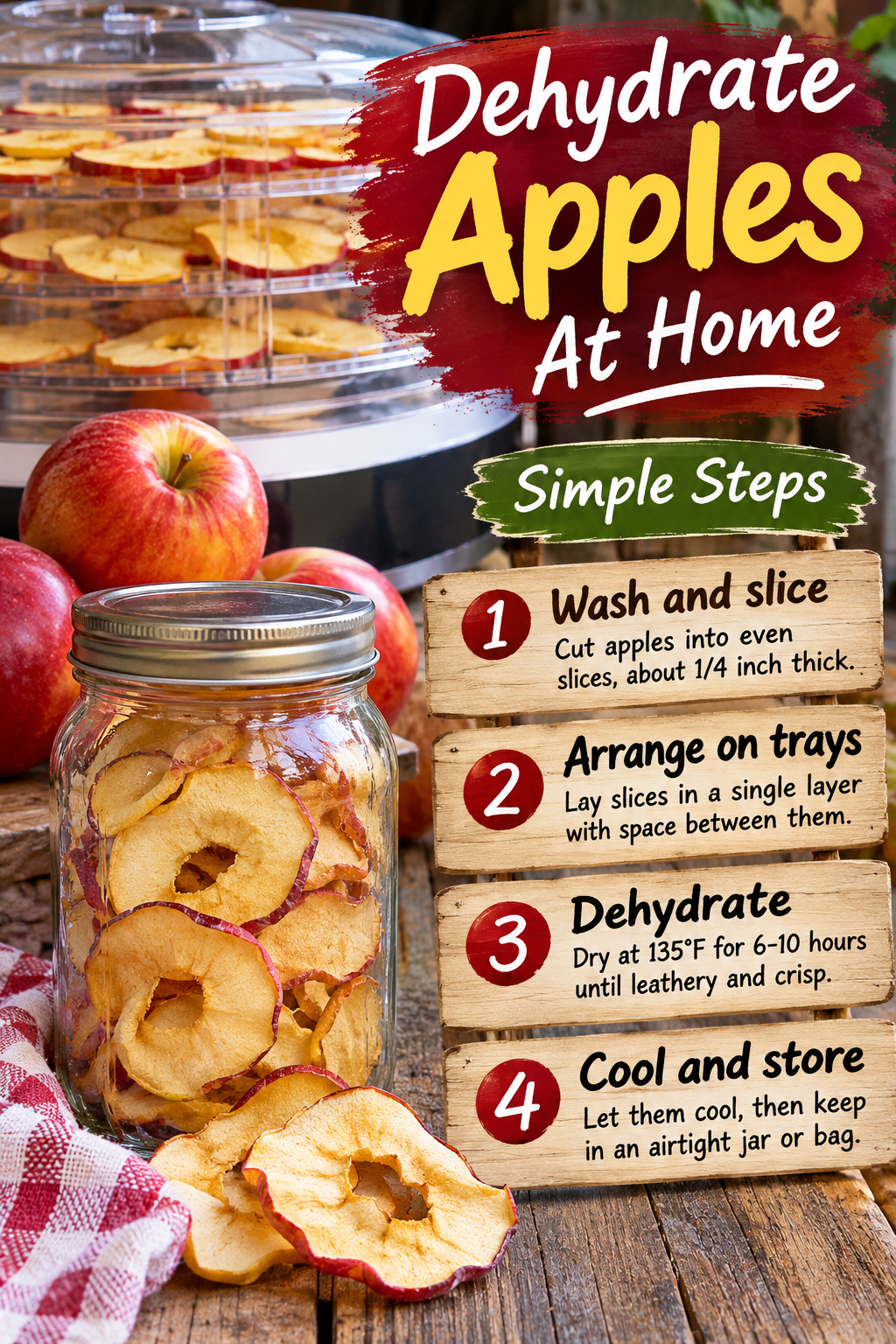
I’ve already put together a detailed guide on which apples are best for dehydrating, including Fuji, Gala, Honeycrisp, and Granny Smith.
That article also covers drying temperatures, preparation, and proper storage.
How to Wash Apples Before Making Jelly or Jam
The basic washing process doesn’t change just because the apples are going into a cooked recipe.
Start with sound fruit.
Rinse under clean running water.
Gently rub the skin.
Then prepare the apples according to the recipe.
For jelly, the apples may be chopped and cooked to extract juice.
For jam, they may be peeled, cut, and cooked into a thicker fruit mixture.
Either way, washing happens before cutting.
Can You Use Apples With Small Blemishes?
Some blemishes are purely cosmetic.
Others can indicate damaged or diseased fruit.
I’d inspect questionable areas carefully rather than assuming every mark is harmless.
Avoid using rotten or moldy apples for preserving.
That includes jelly, jam, apple butter, and dehydrated snacks.
Preservation methods work best when you start with good-quality ingredients.
Should Organic Apples Be Washed?
Absolutely.
Organic doesn’t mean an apple is free from dirt, bacteria, or environmental contamination.
Organic farming standards regulate the production methods and substances that growers may use.
They don’t create a protective barrier that keeps fruit perfectly clean.
An organic apple can still collect dust, soil, and microorganisms during growing, harvesting, transportation, or handling.
The FDA recommends washing all fresh produce under running water, including fruit grown at home.
That applies to organic apples too.
How to Clean Apples That Have Dirt Stuck Near the Stem
Sometimes an apple has little bits of dirt tucked into the indentation where the stem attaches.
That area can be harder to clean than the smooth sides of the fruit.
I’d hold it under running water and gently rub the recessed area with clean fingers.
If the dirt doesn’t come loose easily, a clean, soft produce brush may help.
I wouldn’t use a dirty dish sponge or anything that’s been exposed to raw meat juices.
If there’s stubborn contamination you can’t remove, or the apple has damaged skin around the stem, I’d consider discarding it rather than trying to force it clean.
Can You Wash Apples With Just Water?
Yes.
In fact, that’s the recommended approach.
You don’t need vinegar, baking soda, soap, or a special fruit-cleaning spray to wash an ordinary apple.
Running water, gentle rubbing, and drying with a clean towel provide a straightforward way to remove visible dirt and reduce surface contamination.
It’s also inexpensive.
And it’s something almost everyone can do at home.
I think that’s worth emphasizing because people sometimes feel they need to buy another product for a task that can be handled with clean water and sensible food preparation.
Does Washing an Apple Kill All Bacteria?
No.
Washing reduces bacteria and removes some surface contamination, but it doesn’t sterilize the fruit.
That’s an important distinction.
The FDA specifically notes that washing can reduce bacteria without eliminating all of them.
The same applies to other raw produce.
That’s why proper handling matters before and after washing.
Keep apples separate from raw meat and poultry.
Use clean cutting boards.
Wash your hands.
Refrigerate cut apples promptly.
And discard fruit that’s rotten or visibly contaminated.
No washing method turns spoiled food back into safe food.
How to Keep Cut Apples Clean and Safe
Once you cut an apple, it’s no longer protected by its intact skin.
The exposed flesh is more vulnerable to contamination and browning.
That’s why I wouldn’t cut a large batch of apples and leave them sitting on the counter all afternoon.
Refrigerate Cut Apples Promptly
Place cut apples in a clean, covered container and refrigerate them at 40°F or below.
The FDA recommends refrigerating cut produce within two hours, or within one hour when the surrounding temperature is above 90°F.
That second limit is worth remembering during hot Missouri summers.
Why Do Cut Apples Turn Brown?
Apples naturally contain enzymes that react with oxygen after the flesh is exposed.
That reaction causes browning.
It doesn’t automatically mean the apple is spoiled.
However, browning and food safety are two different issues.
An apple can turn brown while still being safe, and an apple can look normal while having been handled improperly.
For a recipe that needs attractive apple slices, an appropriate anti-browning treatment may help preserve their color.
But it doesn’t replace refrigeration.
Common Questions About Washing Apples
Do you have to wash apples before eating them?
Yes. The FDA recommends washing all fresh produce under running water before eating or preparing it, including homegrown apples.
Is rinsing an apple for a few seconds enough?
The important part is thoroughly rinsing and gently rubbing the entire surface under clean running water. Don’t rely on a quick splash that misses the stem and bottom indentations.
What is the safest way to wash apples?
Use clean running water, gently rub the skin, and dry with a clean towel. Avoid soap, bleach, detergent, and household disinfectants.
Does baking soda remove pesticides from apples?
A controlled study found that baking soda solution removed certain surface pesticide residues more effectively than tap water under its test conditions. It didn’t remove residues that had penetrated the peel, and it wasn’t proof that baking soda removes all pesticides.
Should I use vinegar to wash apples?
Vinegar isn’t necessary for routine washing, and it doesn’t guarantee that harmful microorganisms have been eliminated. Cool running water is the standard recommendation.
Does washing remove wax from apples?
Washing and gentle rubbing can remove some surface material, but you don’t need to remove every trace of natural or approved food-grade wax before eating an apple.
Can I wash apples with dish soap if I rinse them well?
No. The FDA advises against using soap or detergent on fresh produce because residues can remain or be absorbed.
Should I wash apples before storing them?
For home storage, I’d generally wait until you’re ready to use them. If you wash apples before refrigeration, dry them thoroughly.
Are apples from the grocery store already washed?
Many commercially sold apples have been washed during packing, but that doesn’t eliminate the recommendation to rinse them before eating or preparation.
Should you wash apples after peeling them?
Wash the whole apple before peeling. That helps avoid transferring contamination from the skin to the flesh with your knife or peeler.
Is it safe to eat apples straight from the tree?
Homegrown apples can still have dirt and microorganisms on their skin. Washing them before eating is the safer approach.
Can you wash mold off an apple?
I wouldn’t recommend trying to make a moldy apple safe by rinsing it. Discard fruit showing mold or rot rather than attempting to preserve or eat it.
Do you need a special apple-cleaning brush?
No. Gentle rubbing under running water is generally sufficient. A clean produce brush can help with stubborn dirt on firm fruit, but it isn’t required for every apple.
Do you need to wash apples before cooking them?
Yes. Washing helps remove dirt and reduce surface contamination before you cut or cook them. Cooking doesn’t make washing an unnecessary step.
A Few Things I’d Keep in Mind With a Homegrown Apple Harvest
When you’re growing apples yourself, the biggest thing is to pay attention to the condition of the fruit before you begin preparing it.
Not every apple will look perfect.
Some may have cosmetic spots.
Others might have insect damage or bruises.
And depending on the growing season, you may have apples that drop before they’re fully ripe.
I wouldn’t treat all those situations the same.
A sound apple with a little harmless skin marking may still be perfectly useful.
A rotten apple isn’t something I’d try to save by washing it.
For apples that are headed into the refrigerator, I’d focus on sorting and proper storage first, then washing them when it’s time to use them.
For apples we’re preparing immediately for cooking or preserving, I’d wash the whole fruit before peeling, coring, or slicing.
That’s a practical approach whether you’re working with one apple for a snack or an entire harvest from your backyard trees.
And best of all, it doesn’t require another expensive product.
Clean running water, a little care, and good food-handling habits are what matter most.
About the Author
Daxon Weaver is the owner of Weaver Family Farms Produce, part of Weaver Family Farms in Missouri. He and his family grow apples, peaches, pears, pawpaws, Honey Jar and Sugar Cane jujubes, hardy kiwi, berries, and other fruit crops in USDA Zone 6a. Daxon shares firsthand farm observations alongside research-based information about growing, harvesting, storing, and preserving homegrown fruit.