There was a time when I thought apples worked just like bananas or peaches.
I figured if I picked them a little early, I could simply leave them on the kitchen counter for a few days and they’d finish ripening on their own.
After growing apple trees on our Missouri farm, I quickly realized apples play by a different set of rules.
That’s one of the reasons timing your harvest matters so much.
If you’ve ever picked an apple a little too early and hoped it would become sweeter later, you’re definitely not alone.
Here’s what I’ve learned after growing our own apples and paying much closer attention to how they mature.
The Short Answer
Not really.
Unlike bananas, peaches, pears, and several other fruits, apples don’t continue ripening in the same way once they’re picked. Tomatoes are different: they can continue ripening after picking once they reach the breaker stage, as explained in tomatoes ripen at the breaker stage.
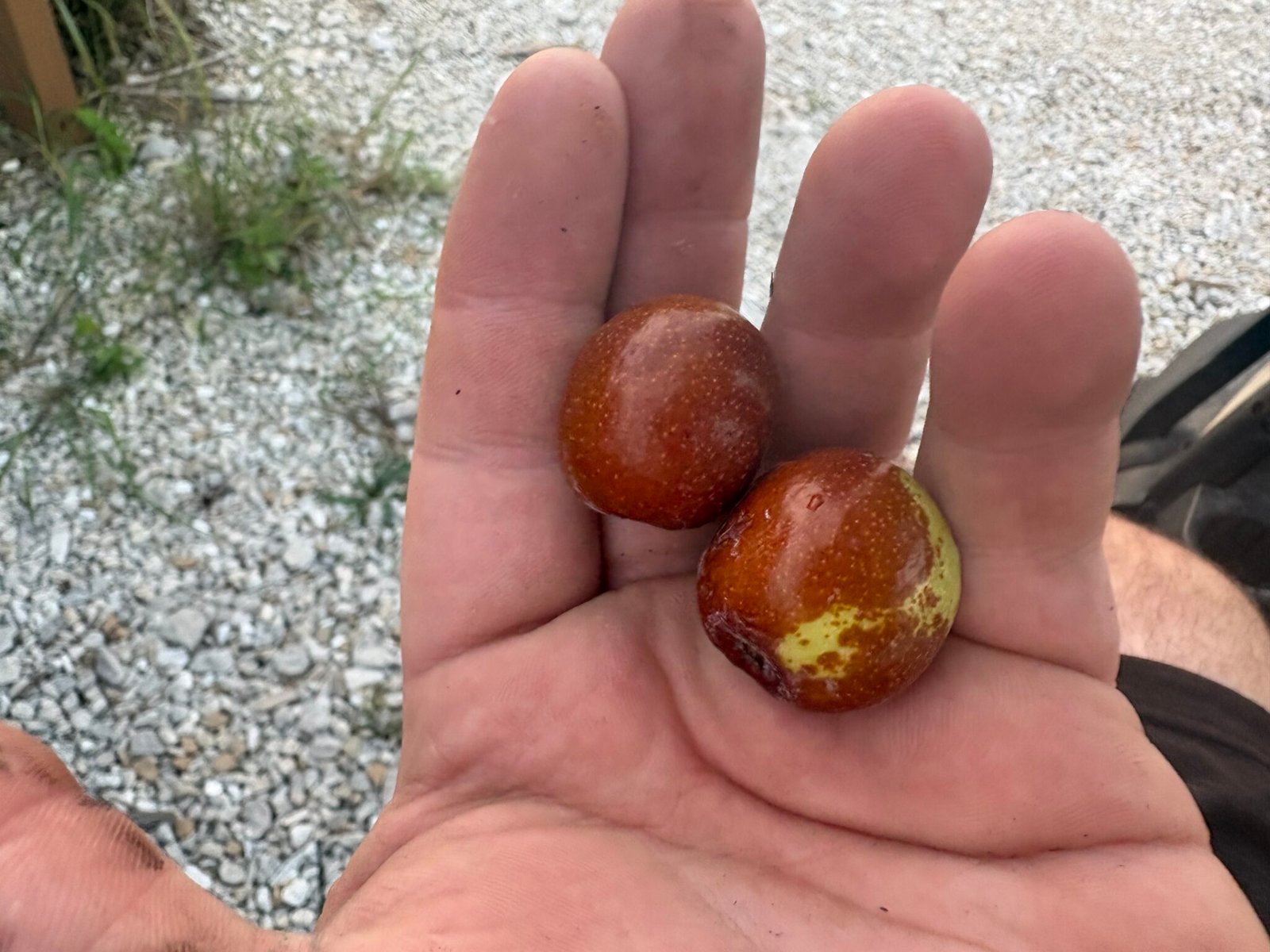
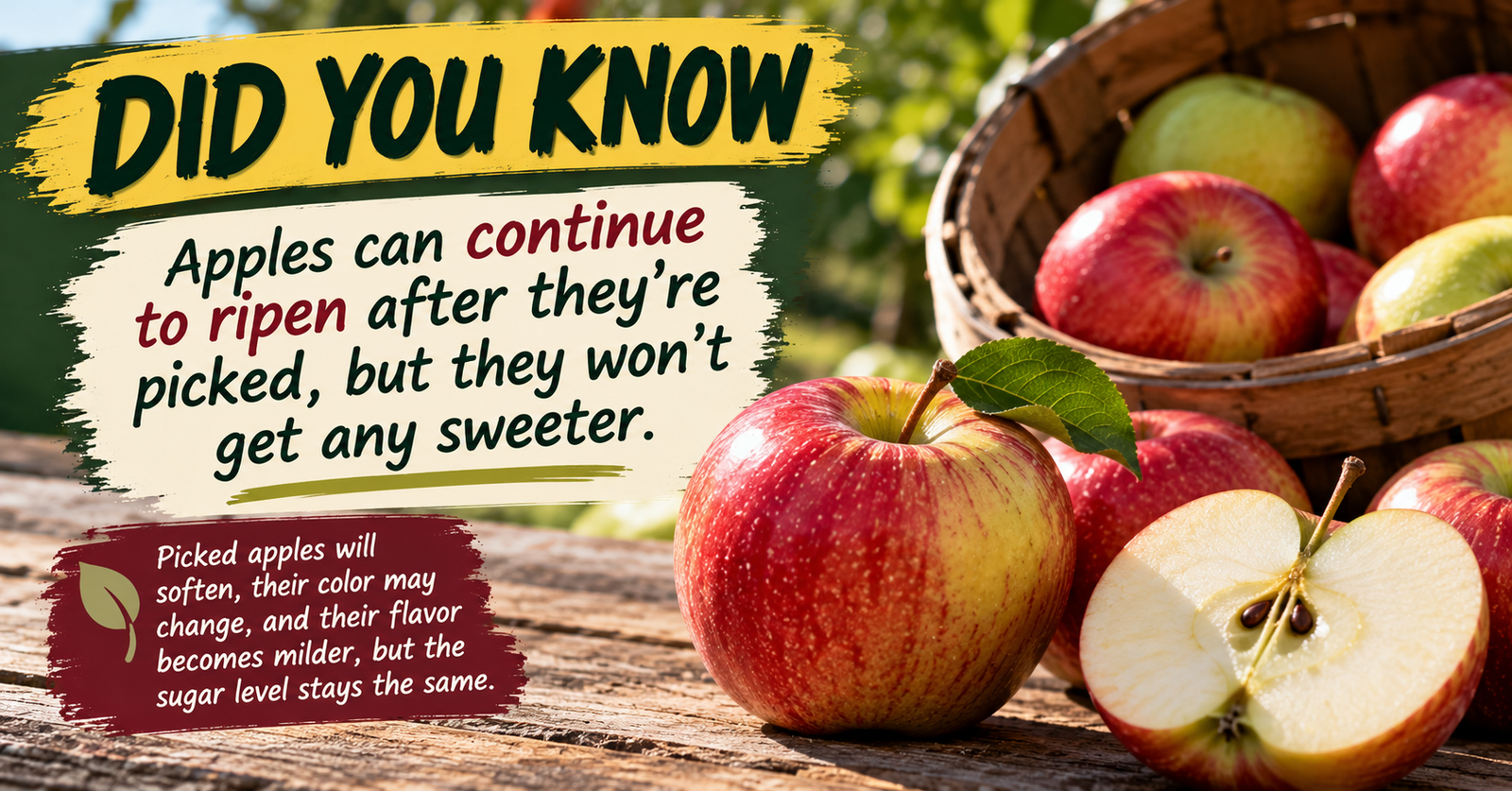
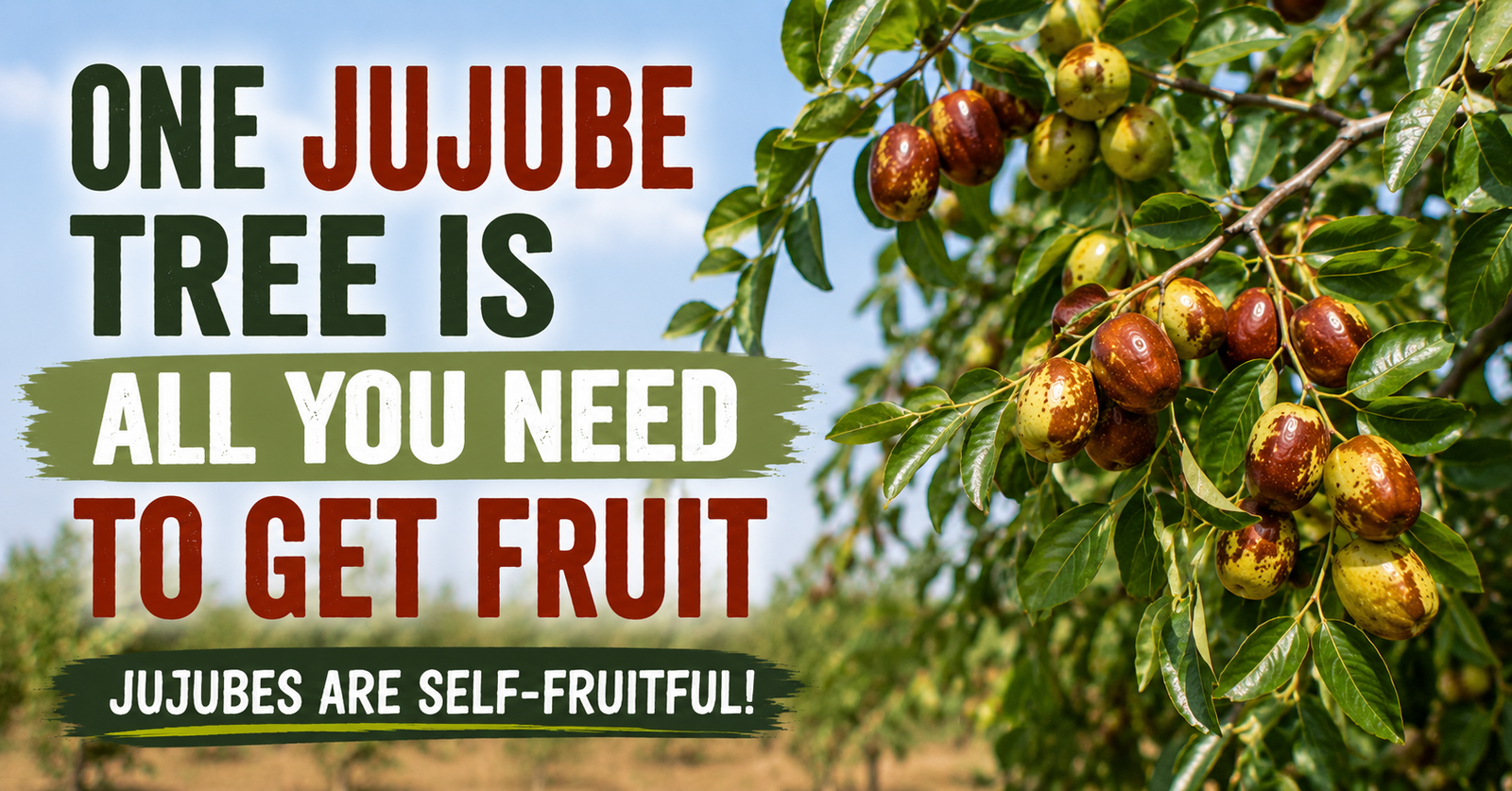
After an apple comes off the tree, it can continue to soften as it ages, but it won’t keep building sugars the way it would have if it had stayed attached to the tree. Jujubes follow a different pattern, and how jujubes change before harvest helps explain why timing the pick matters.
That’s why picking apples at the right time makes such a difference.
Why Apples Stop Improving After Harvest
While an apple is growing, the tree is constantly feeding it water and nutrients.
As harvest gets closer, starches inside the fruit gradually convert into sugars.
That’s what gives a ripe apple its sweet flavor.
Once the apple is removed from the branch, that process is essentially finished.
The apple is no longer connected to the tree that was helping it mature.
It can still change during storage, but those changes aren’t the same thing as ripening.
Softer Doesn’t Mean Riper
This is where I think a lot of people get confused.
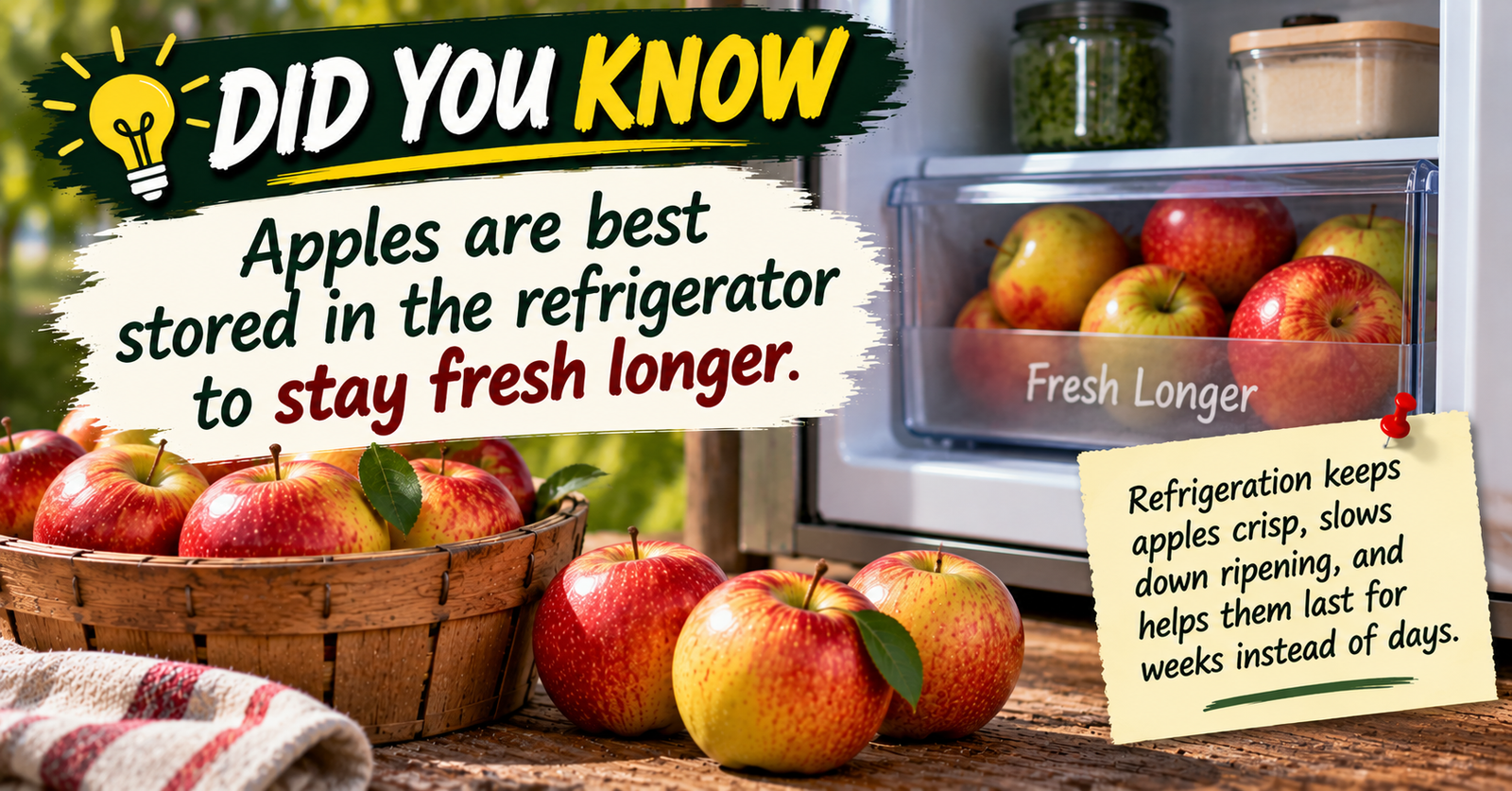
Leave an apple on the kitchen counter for several days, and it’ll probably feel softer. For practical guidance on slowing that softening, see how refrigeration affects apple storage.
It’s easy to assume that means it ripened.
In reality, it’s usually just getting older.
A softer apple isn’t necessarily a sweeter apple.
In fact, if it was picked too early, it often stays more tart than it would have if it had remained on the tree a little longer.
What Happens If You Pick Apples Too Early?
I’ve done it before.
The apples looked close enough, so I picked a few.
When I finally bit into them, they weren’t terrible.
They just weren’t as good as they could have been.
Early-picked apples often have:
- Less sweetness.
- More tartness.
- A firmer texture.
- Less developed flavor.
- Lower juice content.
Sometimes only waiting another week can make a surprising difference.

So How Do I Know They’re Ready?
Instead of relying on one sign, I look at several things together.
I pay attention to the variety because different apples ripen at different times of the season.
I watch for the background color to begin changing.
I gently lift the apple upward.
If it’s mature, it usually separates from the branch without much effort.
And whenever I’m unsure, I simply taste one.
That last step tells me more than anything else.
If it’s crisp, juicy, and packed with flavor, harvest has probably begun.
What About Grocery Store Apples?
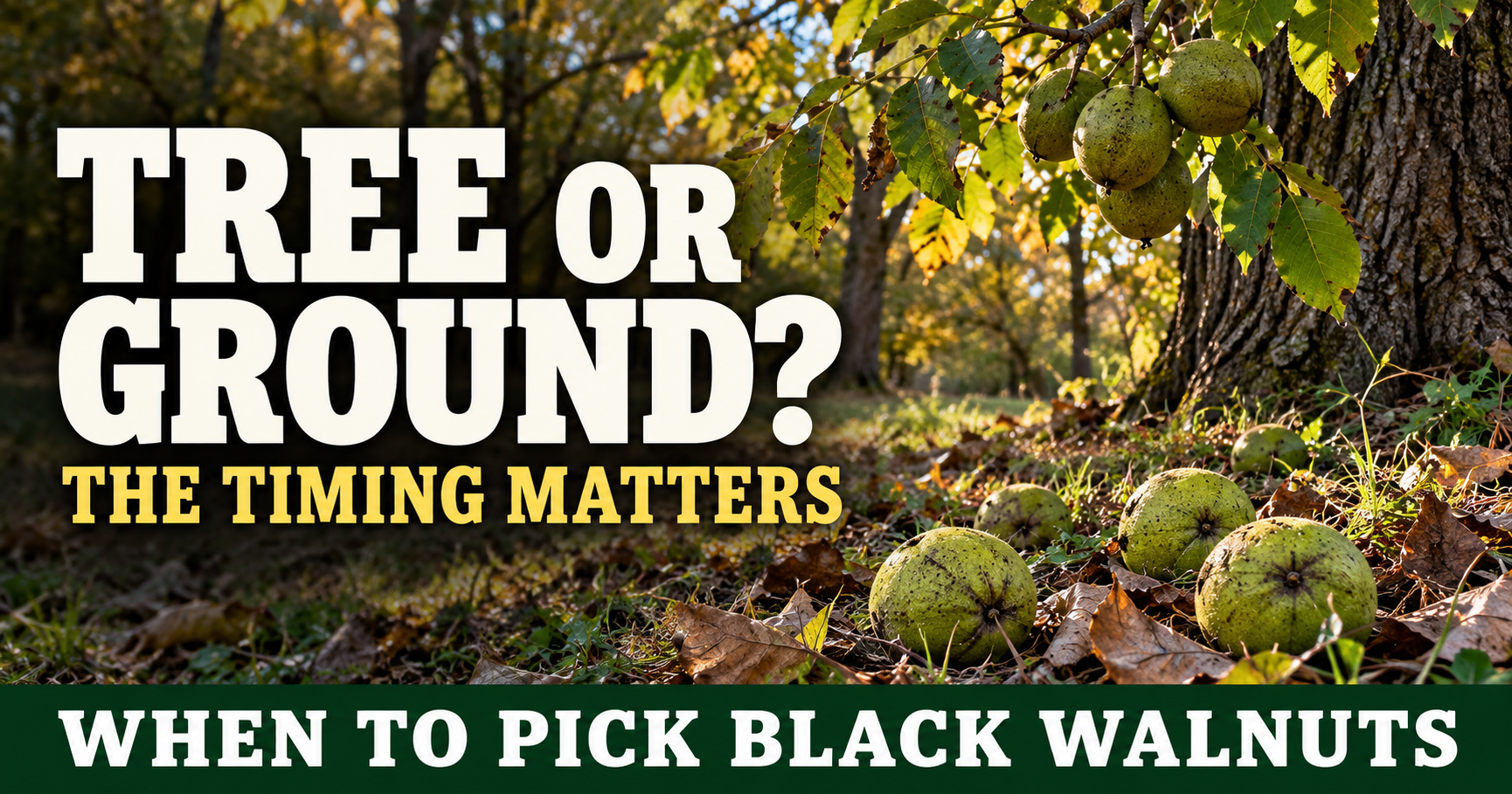
Commercial orchards often harvest apples before they’re fully tree-ripe so they’ll hold up better during shipping and long-term storage. Black walnuts have their own harvest cues, as explained in this guide to black walnut harvest timing.
That doesn’t necessarily mean the apples are immature.
They’re usually picked at a stage that balances eating quality with shelf life.
Home growers have a luxury that commercial orchards often don’t.
We can usually leave fruit on the tree until it’s much closer to peak flavor.
Will Apples Get Sweeter on the Counter?
Unfortunately, no.
Once the apple has been picked, it isn’t going to magically develop more sugar while sitting in a fruit bowl.
If anything, the texture will slowly begin changing before the flavor improves.
That’s why I don’t intentionally pick apples early anymore.
I’d rather let the tree finish the job.
Do All Apple Varieties Behave the Same Way?
For the most part, yes.
Honeycrisp, Fuji, Gala, Golden Delicious, Jonathan, and many other varieties all depend on the tree to finish developing their best flavor.
Some varieties store better than others.
Some mellow slightly after harvest.
But that’s different from actually ripening.
The sweetest apples are usually the ones that were allowed to mature properly before they were picked.
One Mistake I Don’t Make Anymore
Whenever I get excited about the first apples of the season, it’s tempting to start picking before they’re truly ready.
I’ve learned to slow down.
The tree has already done months of work growing that fruit.
Waiting a few more days is usually worth it.
Some of the best apples I’ve ever picked weren’t the first ones that looked ready.
They were the ones that had enough time to fully mature before harvest.
My Honest Opinion
If you’re hoping apples will ripen on the kitchen counter after being picked, you’ll probably end up disappointed.
They’ll soften.
They’ll age.
But they won’t suddenly become sweeter than they were the day they left the tree.
For me, that’s one of the biggest lessons growing apples has taught me.
Good apples are made on the tree, not on the kitchen counter.
When harvest finally arrives, a little patience almost always rewards you with better flavor, better texture, and a much more satisfying bite.
About the Author
Daxon Weaver is the owner of Weaver Family Farms Produce, where he shares firsthand experiences growing apples, pawpaws, Honey Jar and Sugar Cane jujubes, peaches, pears, berries, and other fruits on his family’s Zone 6a Missouri farm.