
The first time I noticed black spots covering some of the apples on our trees, my biggest concern wasn’t what disease had caused them.
It was much simpler than that.
I wanted to know whether the apples were still safe to eat.
After spending months watching the fruit grow, I wasn’t excited about throwing an entire crop away because of a few dark marks.
The good news is that black spots don’t always mean an apple has gone bad.
Sometimes the problem is only skin deep.
Other times it’s a sign the fruit should be discarded.
Here’s how I decide what to do with apples from our own orchard.
If you’re still trying to figure out what caused the spots in the first place, I’d recommend reading What Are These Black Spots on My Apples? Common Causes Explained before this guide.
The Short Answer
Yes, many apples with black spots are still perfectly safe to eat.
The important part is figuring out what caused the spots.
Some diseases only affect the skin.
Others actually rot the fruit from the inside.
That’s a huge difference.
Instead of automatically throwing every spotted apple away, I inspect each one individually.
I Always Start With a Close Inspection
Before cutting into an apple, I spend a few seconds looking it over.
I’m asking myself questions like:
- Are the spots only on the skin?
- Is the apple still firm?
- Does it smell fresh?
- Are there any soft areas?
- Is the fruit cracked or leaking?
Those simple observations usually tell me quite a bit before I ever reach for a knife.
Cosmetic Problems Usually Don’t Worry Me
Some of the most common apple diseases mainly affect appearance.
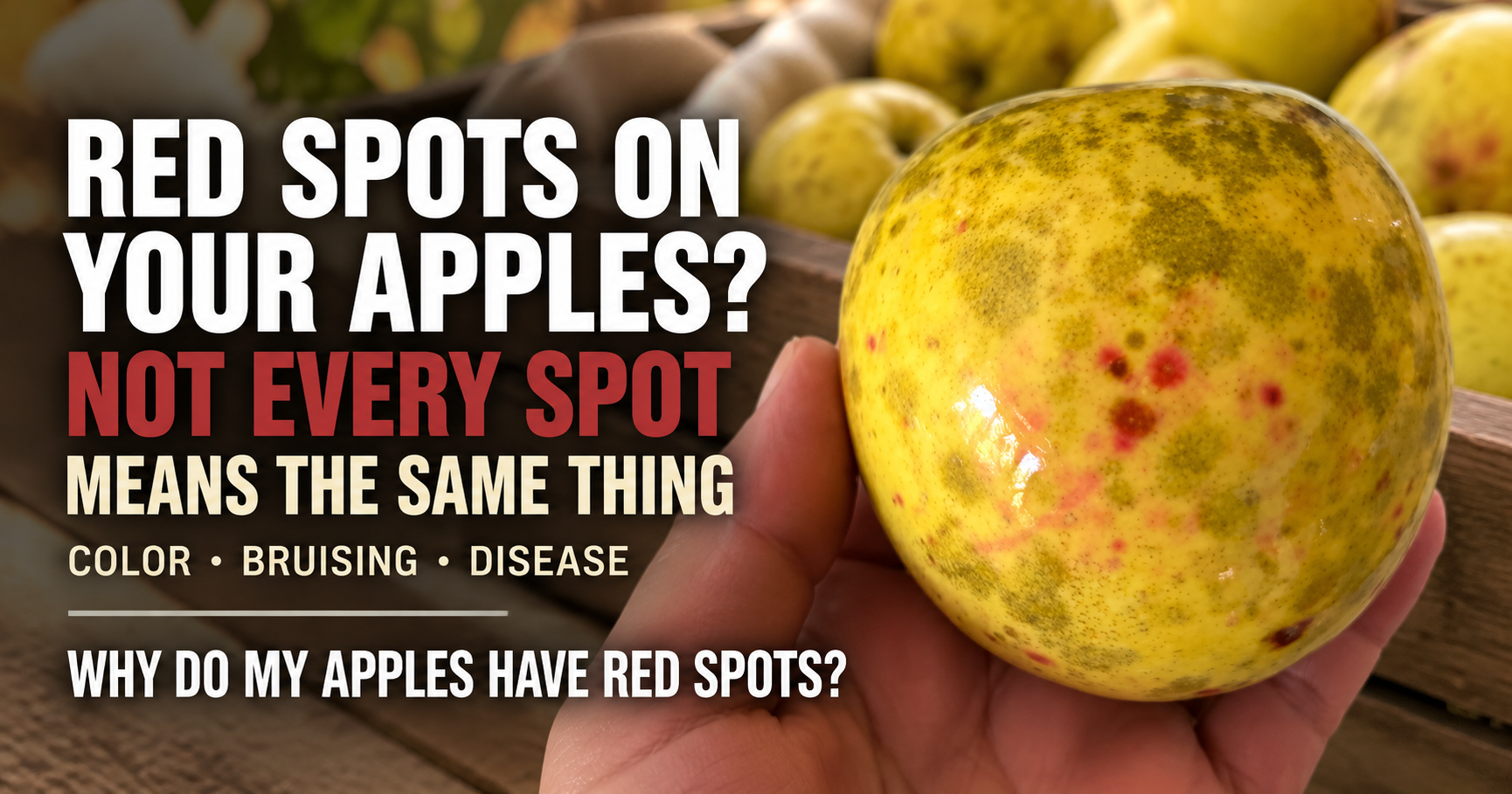
Problems like sooty blotch and flyspeck often leave dark smudges or tiny black dots on the skin while the flesh underneath stays perfectly fine.
Even mild apple scab may only affect part of the peel.
When I find apples like that, I usually wash them well.
If the marks bother me, I simply peel the apple.
Once the skin is gone, you’d never know anything had been wrong.
Rot Is a Different Story
When black spots are accompanied by soft, mushy, or sunken areas, I become much more cautious.
Those symptoms often point toward actual fruit decay rather than a cosmetic blemish.
If an apple has started rotting, I don’t try to save it.
The same goes for fruit with mold growing on it.
Growing fruit has taught me that it’s much better to lose one apple than risk eating one that has clearly spoiled.
I Always Cut Questionable Apples Open
The outside doesn’t always tell the whole story.
Whenever I’m unsure, I slice the apple in half.
If the flesh inside looks crisp, white, and healthy, that’s reassuring.
If I discover brown, mushy, or rotten areas extending into the fruit, that apple goes straight to the compost pile.
This simple habit has saved me from throwing away plenty of perfectly good apples over the years.
Don’t Judge an Apple by One Small Spot
One thing I’ve learned is that apples don’t have to look perfect to taste great.
Some of the sweetest apples we’ve picked from our trees have had small blemishes on the skin.
Weather.
Wind.
Insects.
Minor fungal diseases.
All of those can leave marks behind.
But a small blemish doesn’t automatically mean poor quality.
I try to judge the entire fruit instead of focusing on one tiny spot.
Great Uses for Apples With Minor Blemishes
If an apple has a few cosmetic spots but is otherwise healthy, I don’t hesitate to use it.
Those apples are perfect for things like:
- Applesauce.
- Apple butter.
- Homemade pies.
- Apple crisp.
- Baking.
- Dehydrating.
- Fresh apple cider.
Once the apples are peeled or cooked, those minor imperfections usually disappear completely.
In fact, some of our best batches of apple butter have started with apples that weren’t pretty enough to put on the kitchen table.

If you enjoy making homemade preserves, you might also like Best Apples for Apple Butter: 15 Varieties Ranked for Flavor.
Apples I Throw Away Without Question
There are a few situations where I don’t try to save the fruit.
I throw the apple away if it has:
- Mold growing on it.
- Large rotten areas.
- A fermented or unpleasant smell.
- Insect tunnels deep into the flesh.
- Severe cracking that’s led to decay.
Those apples simply aren’t worth taking chances with.
Fortunately, they usually make up only a small part of the harvest.


Can You Peel Away the Problem?
Sometimes, yes.
If the damage is truly limited to the skin, peeling the apple often removes the affected area completely.
That’s one reason I don’t panic when I see superficial blemishes.
The fruit underneath is frequently just as crisp and delicious as any perfect-looking apple.
What About Store-Bought Apples?
This question isn’t limited to backyard orchards.
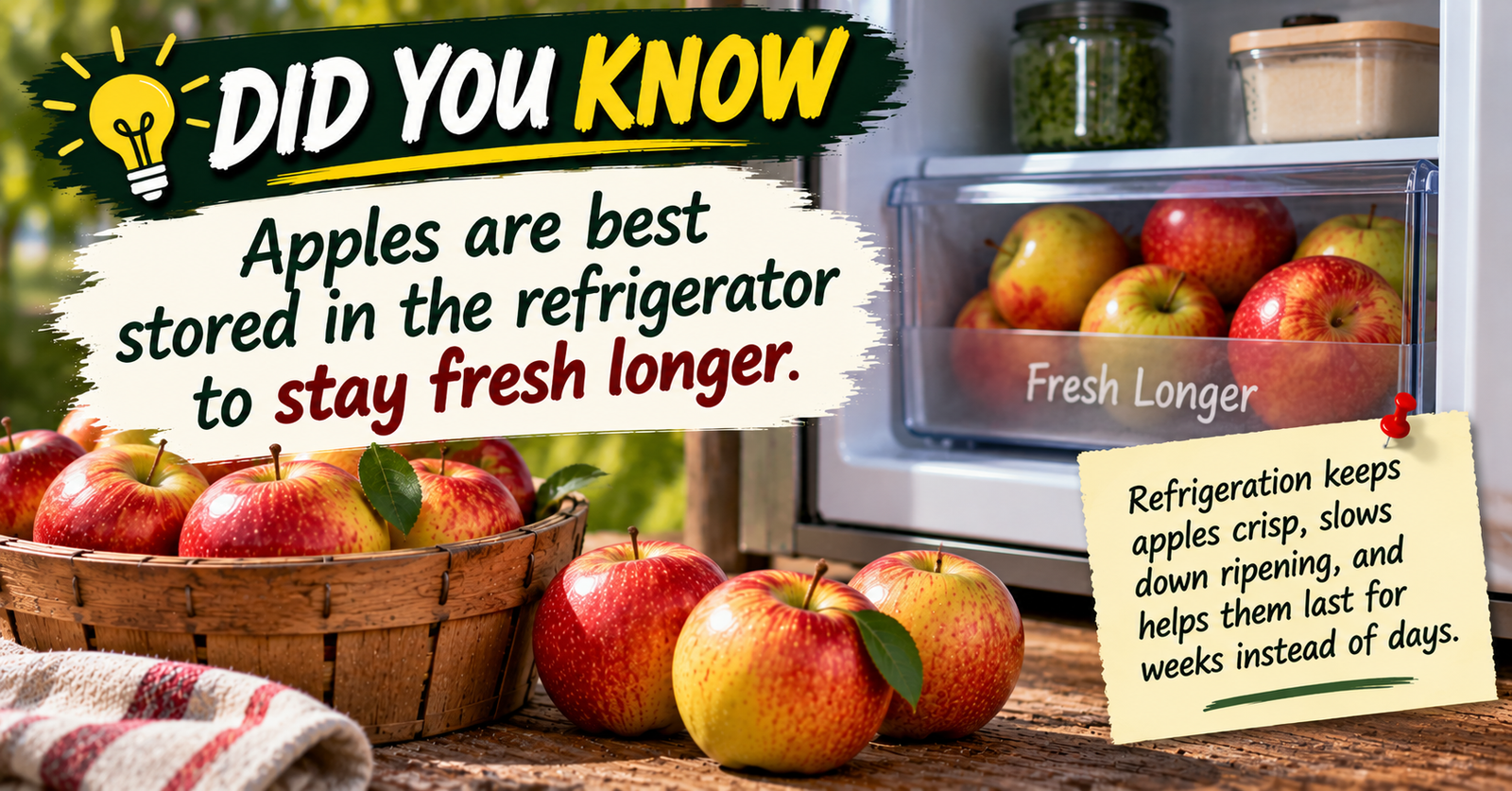
Occasionally you’ll buy apples from a grocery store that develop small dark spots after sitting at home. If you want to help apples stay crisp longer at home, refrigerating apples for longer storage explains when refrigeration makes the most sense.
I use the same approach.
If the apple is still firm and healthy inside, I don’t automatically throw it away.
If it has become soft or rotten, it’s time to discard it.
The source of the apple doesn’t change the way I inspect it.
My Biggest Lesson
Growing apples has changed the way I look at fruit.
Before planting our own trees, I assumed every apple needed to look grocery-store perfect.
Now I know nature doesn’t always work that way.
Some of the best-tasting apples we’ve harvested had a few blemishes that never affected the flavor at all.
I’ve become much more interested in what’s happening inside the apple than whether the outside is flawless.
My Honest Opinion
If I see black spots on an apple today, I don’t panic.
I inspect it.
I cut it open if I’m unsure.
And I let the condition of the flesh make the final decision.
Sometimes the apple ends up in the compost.
Much more often, it ends up on our table or in a batch of homemade apple butter.
Growing fruit has reminded me that perfect appearance and great flavor don’t always go hand in hand.
Some of the best apples are the ones that teach you not to judge them by their skin.
About the Author
Daxon Weaver is the owner of Weaver Family Farms Produce, where he shares firsthand experiences growing apples, pawpaws, Honey Jar and Sugar Cane jujubes, peaches, pears, berries, and other fruits on his family’s Zone 6a Missouri farm.