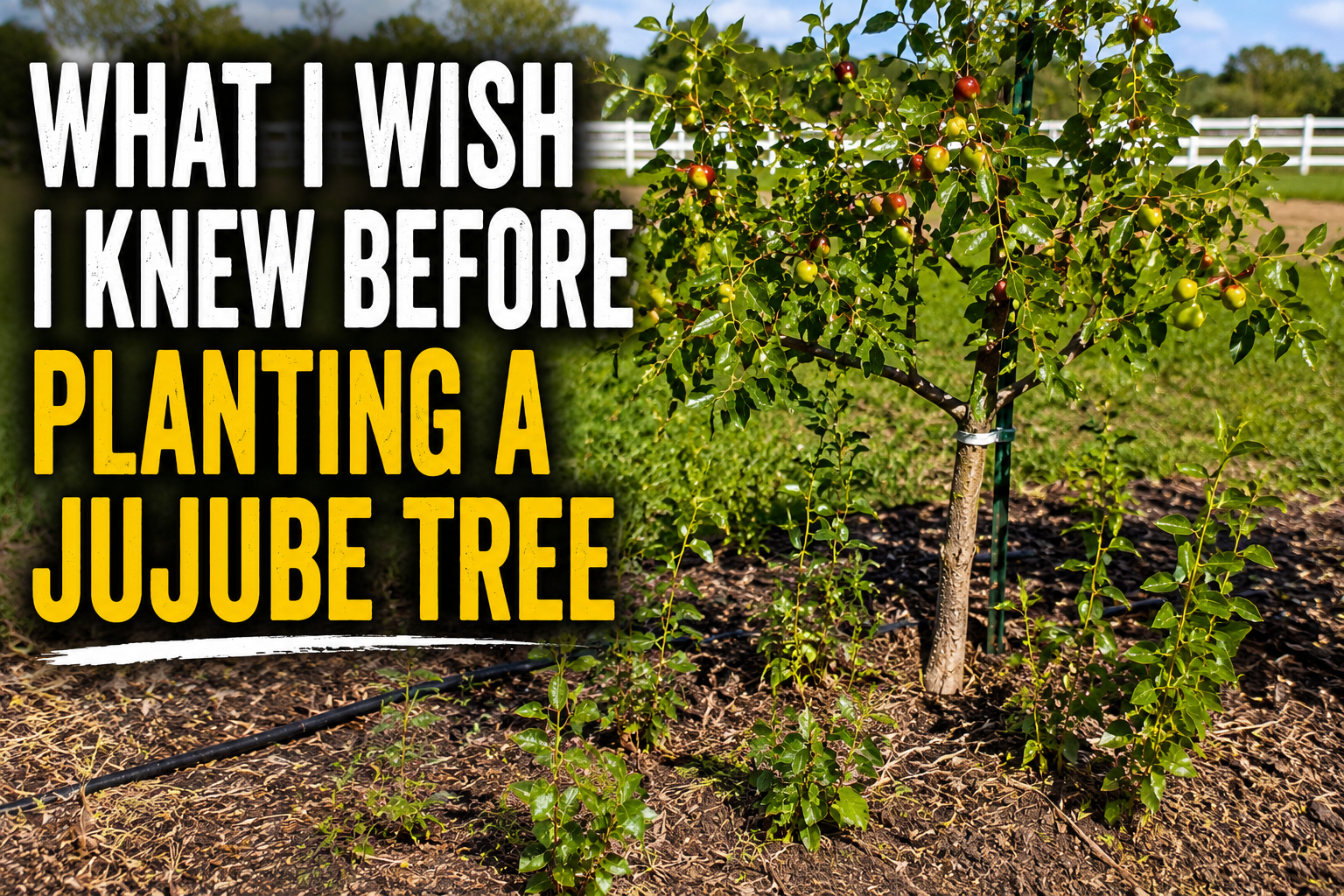
When we decided to plant jujube trees on our family farm, I did what most people do.
I started reading everything I could find online.
I learned they were drought tolerant.
I learned they produced unusual fruit.
I learned they were sometimes called Chinese dates.
Looking back, all of that information was helpful.
But there were a lot of things I didn’t learn until I actually started growing them myself.
Those lessons didn’t come from books.
They came from watching the trees every season, making mistakes, asking questions, and slowly figuring out how jujubes behave.
If I were planting my first jujube tree again today, there are several things I wish someone had told me from the very beginning.
Hopefully they’ll help you enjoy your own tree a little more and worry a little less.
I Wish Someone Had Told Me They Wake Up Last
This is easily the biggest one.
Every spring I’d walk around our property looking at the fruit trees.
The apples were leafing out.
The pears were covered with fresh green leaves.
The peaches were growing like crazy.
Then I’d look over at the jujube tree.
Nothing.
No leaves.
No buds.
Just bare branches.
The first year I honestly wondered if it had died over the winter.
Now I laugh because I know exactly what’s happening.
Jujubes simply like to sleep in.
They’re one of the last fruit trees to break dormancy, and after seeing our Honey Jar and Sugar Cane trees do the same thing year after year, I’ve learned to stop worrying so quickly. Their higher heat requirement before breaking dormancy is one reason they’re less likely to be damaged by late spring freezes.
If you’re staring at a bare tree right now, don’t panic.
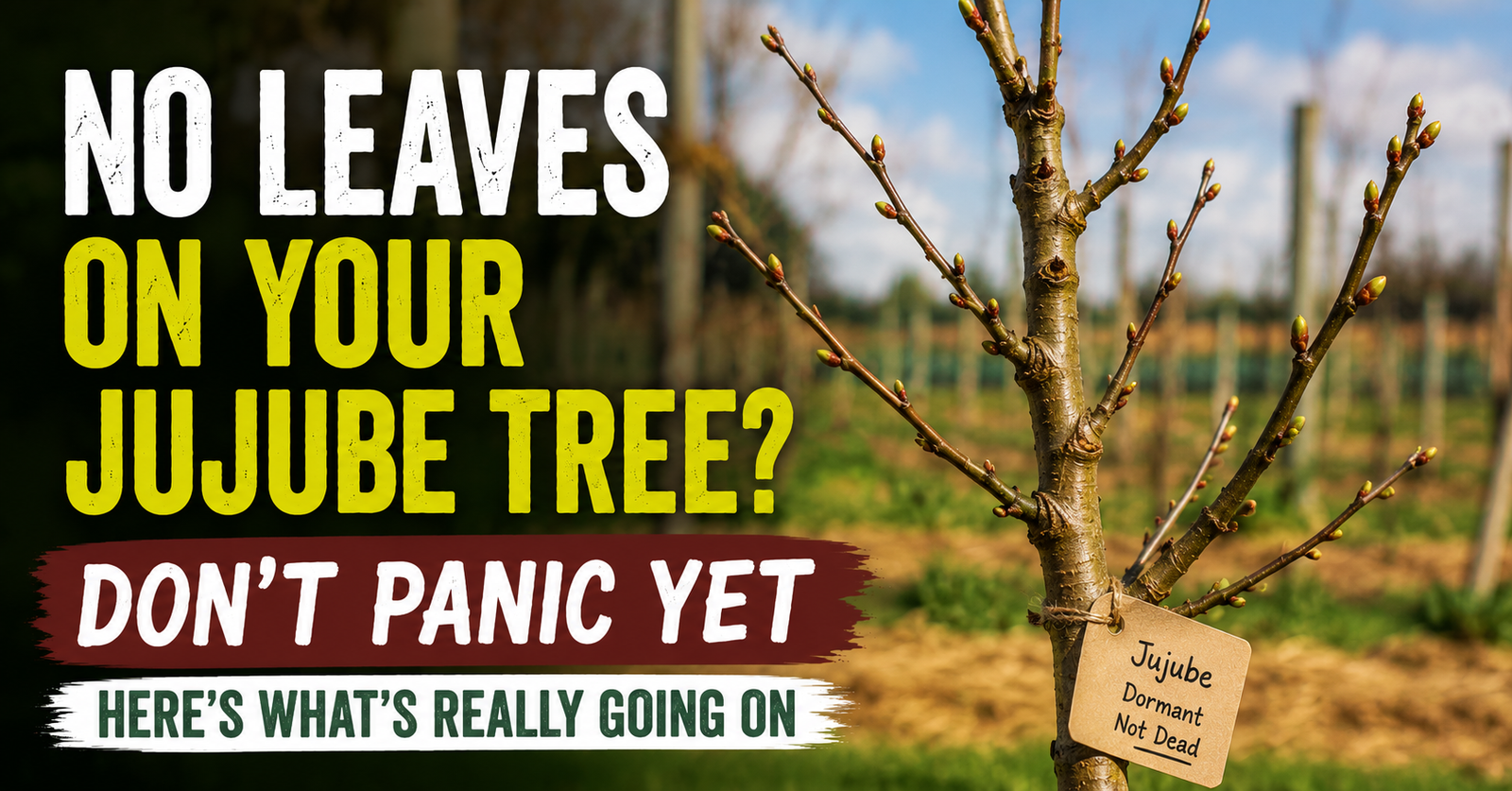
I wrote an entire guide explaining Why Is My Jujube Tree Not Leafing Out? Don’t Panic Yet because I know exactly how concerning it looks the first few years.
I Wish I Had Realistic Expectations About Growth
One thing that frustrated me early on was reading articles that made it sound like jujube trees grow incredibly fast.
That hasn’t really been our experience.
Here in northeast Missouri, in USDA Zone 6a, our established trees generally put on around a foot of new growth each year.
Some years are a little better.
Some years are a little less.
Weather plays a role.
Rainfall matters.
The amount of sunlight matters.
The age of the tree matters.
Could someone in Arizona or southern Texas see faster growth?
Very possibly.
But if you’re growing jujubes in a climate similar to ours, I’d rather give you a realistic expectation than promise something that hasn’t matched what I’ve actually seen.
That slower, steady growth has never bothered me because the trees have remained healthy and productive.
I Wish I Knew the Fruit Would Taste Different Every Week
Before we harvested our first crop, I assumed there was one perfect stage.
Green meant unripe.
Brown meant ripe.
Simple.
It doesn’t work that way.
Jujubes change dramatically as they mature.
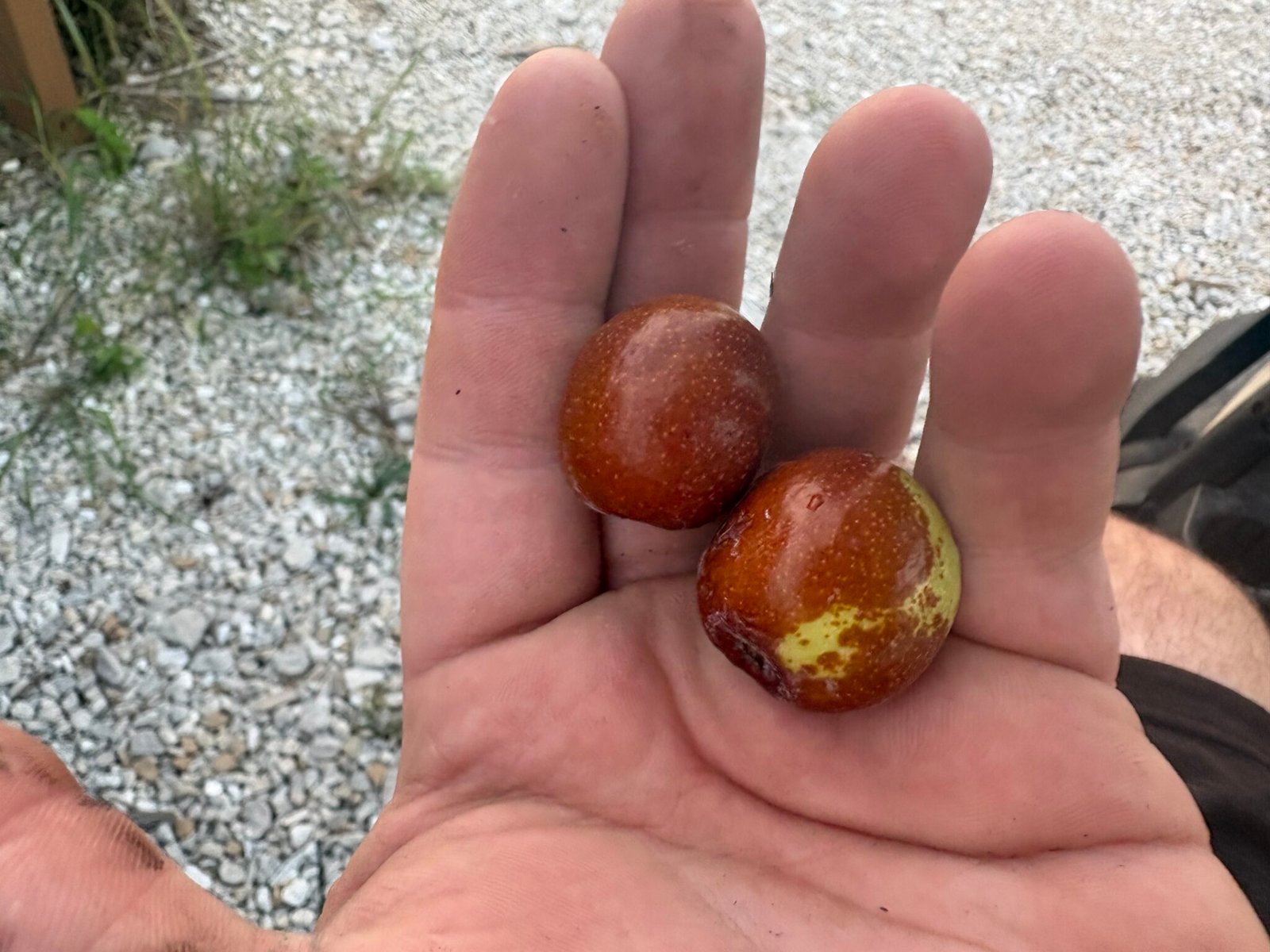
A green jujube reminds me of a crisp apple.
A mostly brown jujube becomes much sweeter.
A darker fruit that’s beginning to wrinkle develops rich flavors that remind me of dates, caramel, and molasses.
It’s almost like harvesting several different fruits from the same tree.
That’s one reason I always encourage people not to judge a jujube after eating only one.
Taste several.
Leave a few on the tree longer than you normally would.
You might be surprised which stage becomes your favorite.
If you’re still trying to figure out exactly when to harvest, take a look at How Do You Know When a Jujube Is Ripe? Signs It’s Ready. That’s the guide I wish I’d had when we picked our first fruit.
I Wish I Hadn’t Been Afraid of Wrinkled Fruit
I’ll admit it.
The first time I saw wrinkled jujubes hanging on the tree, I assumed I’d waited too long.
I thought I’d missed the perfect harvest window.
Instead, I accidentally discovered my favorite way to eat them.
As the fruit loses a little moisture, the sweetness becomes more concentrated.
The texture changes.
The flavor becomes richer.
Now, when I see a few slightly wrinkled jujubes still hanging on the tree, I don’t rush to throw them away.
I usually eat those first.
That experience completely changed the way I look at ripening.
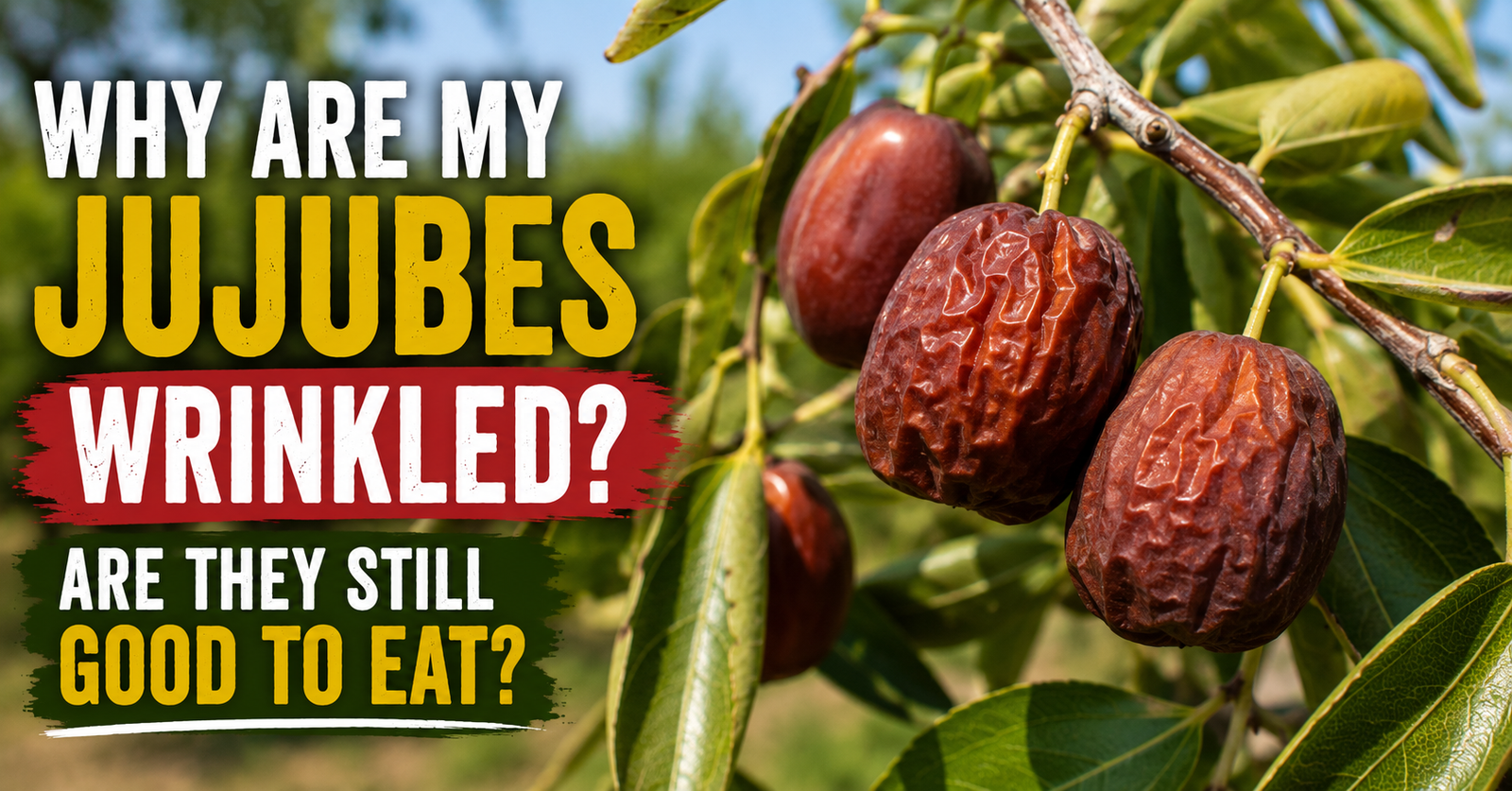
It’s also why I wrote Why Are My Jujubes Wrinkled? Are They Still Good to Eat? after realizing so many other people had the same concern.
I Wish I Had Known the Nickname Was Misleading
When someone says “Chinese date,” it’s easy to picture something like a Medjool date from the grocery store.
That’s exactly what I expected.
Instead, I bit into a fruit that tasted much more like a tiny apple.
Only after the fruit became darker and slightly wrinkled did I begin understanding why the comparison existed.
Even today, when someone asks me if jujubes taste like dates, my answer is always…
“It depends which one you’re eating.”
That’s because a green jujube and a wrinkled jujube are almost two completely different eating experiences.
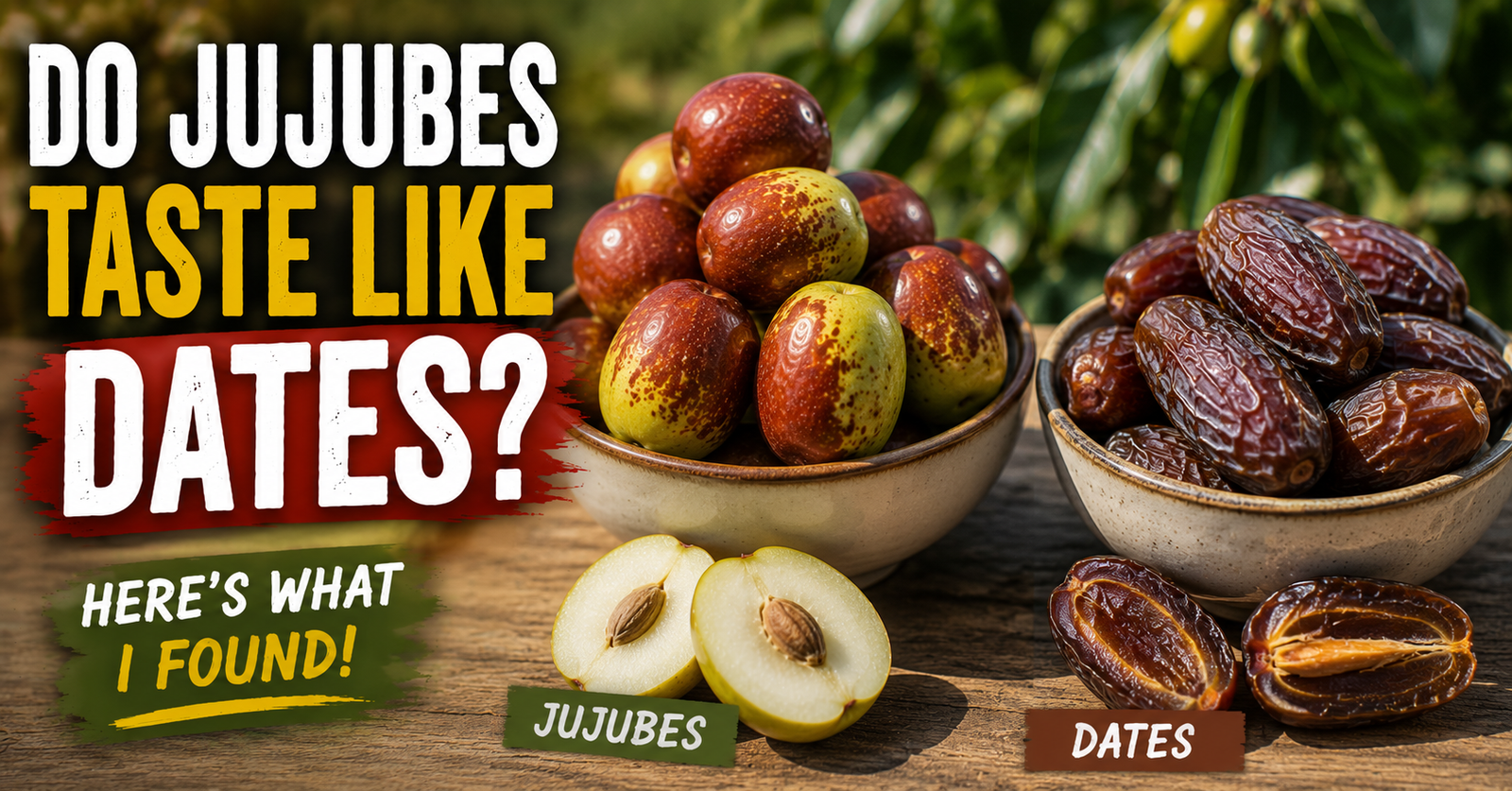
I go into that comparison much more in Do Jujubes Taste Like Dates? Here’s My Honest Comparison because I think the nickname creates expectations that fresh jujubes simply aren’t trying to meet.
I Wish Someone Had Told Me How Addictive Fresh Jujubes Are
This one still makes me laugh.
I assumed we’d pick a bucket full of fruit, bring it inside, and decide later what to do with it.
That almost never happens.
Instead, someone grabs a few while walking past the tree.
A little later someone else does the same thing.
Before long, the harvest is noticeably smaller, and most of it never even makes it into the house.
Fresh Honey Jar and Sugar Cane jujubes have become one of those fruits we naturally snack on without thinking.
They’re easy to pick.
Easy to eat.
And somehow it’s always “just one more.”
I Wish I Hadn’t Worried So Much About the Thorns
I’ll admit it.
When I first read that jujube trees had thorns, I pictured trying to harvest fruit from something like a giant blackberry bush.
That isn’t what we’ve experienced.
Yes, our Honey Jar and Sugar Cane trees have thorns.
If you grab the wrong branch without looking, you’ll probably remind yourself pretty quickly that they’re there.
But after a couple harvests, I hardly think about them anymore.
I’ve learned where to reach.
I’ve learned which branches tend to be thornier.
More importantly, I’ve learned the fruit is worth it.
The thorns are just another characteristic of the tree.
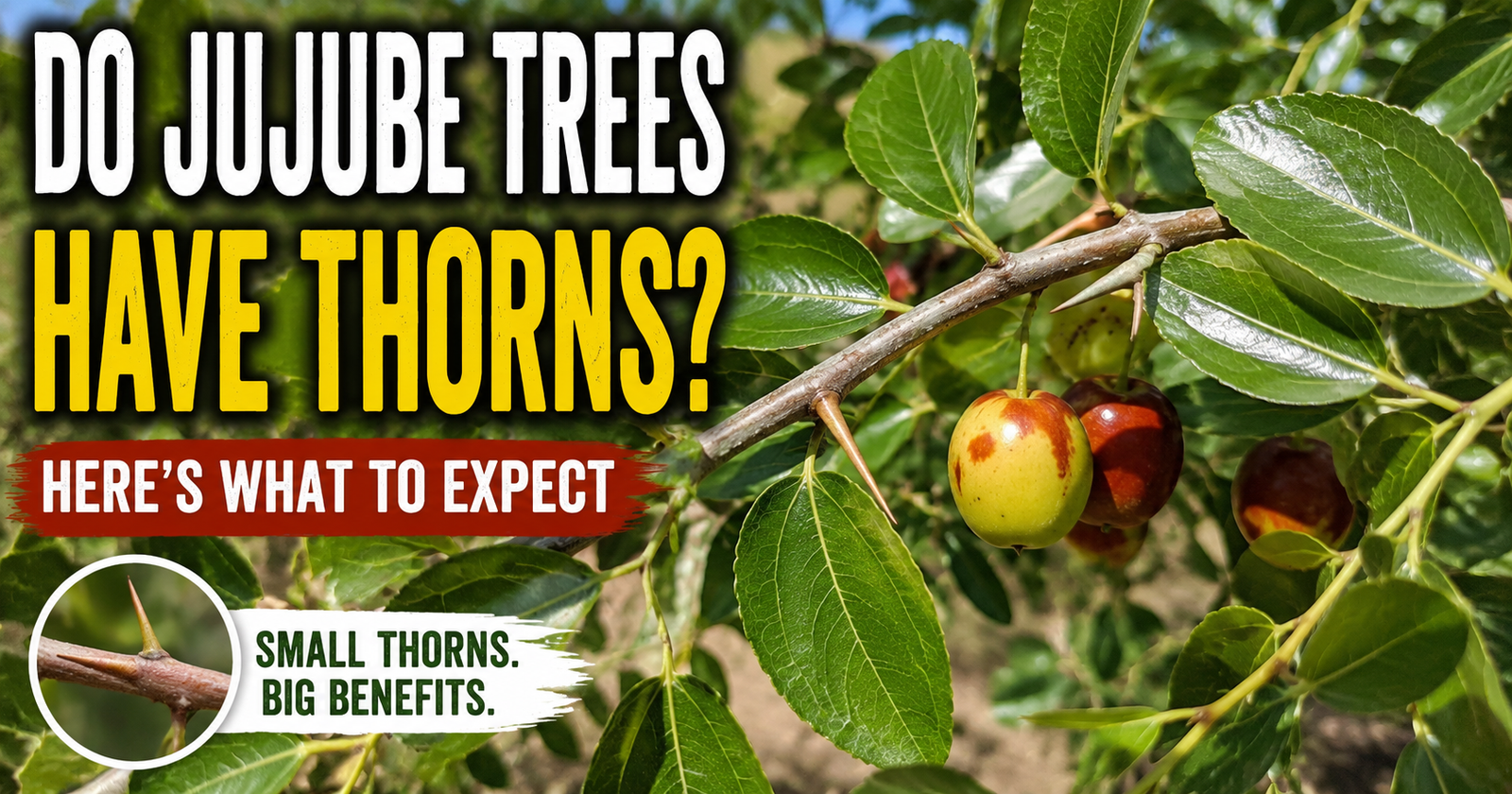
If you’re wondering what they’re actually like, I go into much more detail in Do Jujube Trees Have Thorns? Here’s What to Expect because I remember asking that exact question before planting ours.
I Wish Someone Had Told Me the Flowers Were So Tiny
I expected beautiful blossoms like our apple trees.
Instead, the first time our jujubes bloomed, I almost missed it.
The flowers are incredibly small.
In fact, unless you’re standing close to the tree, you may not even notice them.
That doesn’t mean the tree isn’t blooming.
It just means the flowers don’t put on the same show that peaches or pears do.
Now I actually enjoy that about them.
It’s almost like a hidden stage of the growing season.
You know something exciting is happening, even if the whole neighborhood doesn’t notice.
Then a few weeks later those tiny flowers begin turning into little green fruit.
I Wish I Had Expected a Few Fruit to Fall
The first season we had a decent crop, I walked outside one morning and noticed several little jujubes lying on the ground.
My heart sank.
I immediately wondered what I’d done wrong.
Was the tree sick?
Did it need fertilizer?
Did I water too much?
What I’ve learned since then is that a little fruit drop is completely normal.
Many fruit trees naturally thin themselves so they aren’t trying to ripen every single fruit they produce.
Now, when I see a handful on the ground, I don’t immediately assume something is wrong.
Instead, I look at what’s still hanging on the tree.
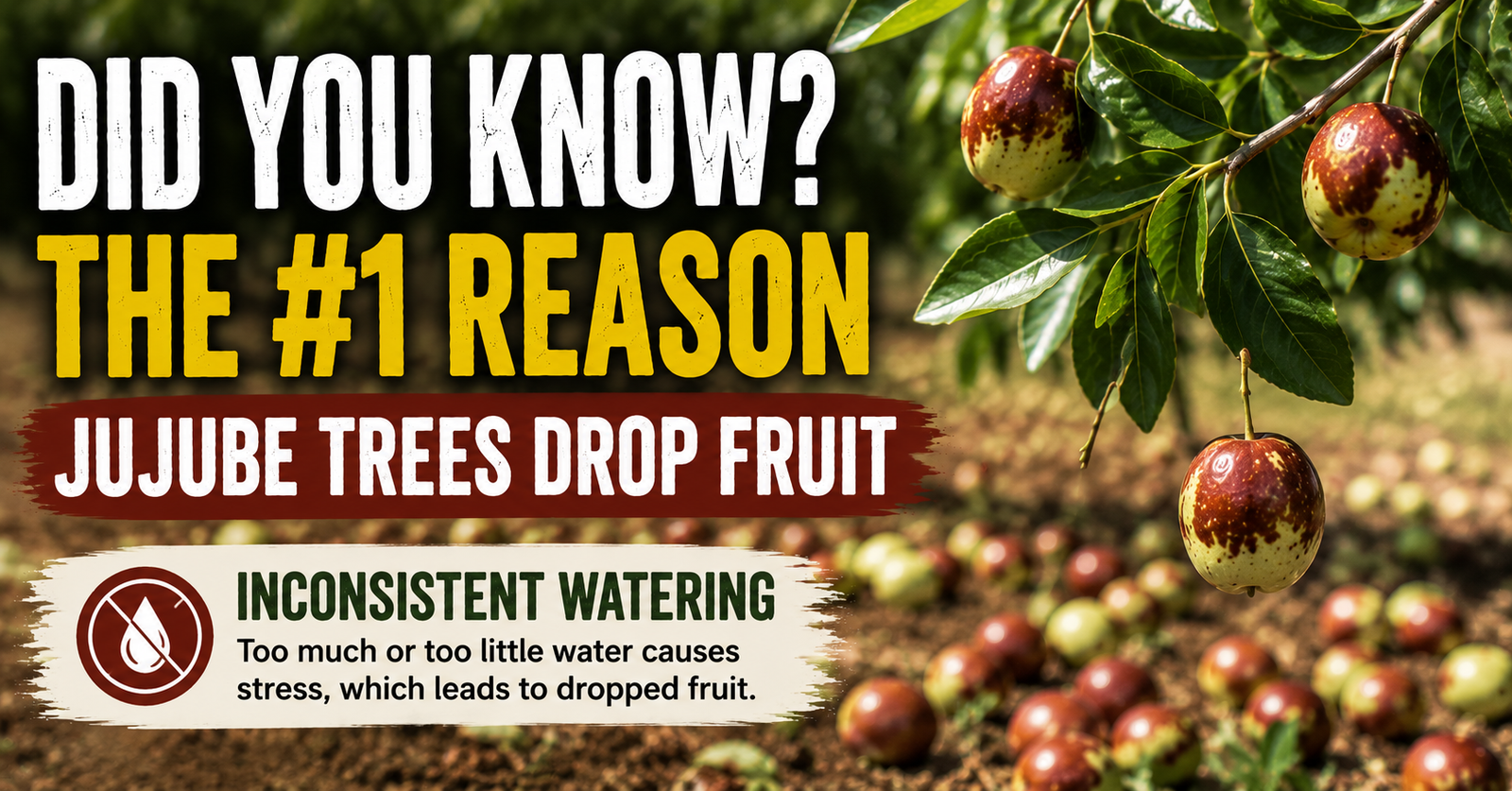
If you’d like to know the other reasons this can happen, I covered them in Why Is My Jujube Tree Dropping Fruit? 9 Common Causes.
I Wish Someone Had Told Me About Root Suckers
This was another surprise.
One spring I noticed little shoots coming up from the ground near one of our trees.
At first, I honestly thought they were volunteer seedlings.
Instead, they were suckers coming from the tree’s root system.
Once I understood what they were, they weren’t a big deal.
Now they’re simply something I keep an eye on while walking through the orchard.
If I notice one starting, I remove it while it’s still small.
That five-minute job is much easier than waiting until it becomes a thick woody stem.
I Wish I Had Realized How Different Every Year Would Be
One thing farming has taught me is that no two seasons are exactly alike.
One year might bring more rain.
The next might be hotter and drier.
Some years the fruit seems to ripen a little earlier.
Other years it takes a little longer.
I’ve stopped expecting every harvest to follow the exact same calendar.
Instead, I let the trees tell me when they’re ready.
I think that’s made me a much better fruit grower.
Nature doesn’t follow our schedules.
I Wish I Had Taken More Pictures
This one has nothing to do with growing better fruit.
It’s simply something I wish I’d done.
Every season the trees change.
Tiny flower buds.
New leaves.
Little green fruit.
Fruit beginning to blush.
Dark brown ripe jujubes.
Looking back through photos from previous years has been surprisingly rewarding.
Not only can I see how much the trees have grown, but I can also compare harvest timing and fruit size from one season to the next.
If you’re planting your first tree this year, start taking pictures now.
A few years from today you’ll be glad you did.
I Wish I Had Understood That Patience Is Part of Growing Jujubes
Looking back, almost every lesson on this list comes back to one thing.
Patience.
Be patient while the tree establishes itself.
Be patient in the spring while it wakes up.
Be patient while the fruit changes from green to brown.
Be patient before assuming something is wrong.
Jujubes don’t seem interested in hurrying.
Oddly enough, I think that’s one reason I’ve grown to appreciate them so much.
They’ve reminded me that not every worthwhile harvest comes quickly.
Would I Plant Them Again?
Without hesitation.
If every jujube tree on our farm disappeared tomorrow, I’d order new ones.
Probably the same varieties.
Honey Jar has been outstanding.
Sugar Cane has been just as enjoyable.
Both have produced fruit our family genuinely looks forward to every year.
They’ve also become one of the trees visitors ask about the most because so many people have never seen a jujube before.
That’s always fun.
Watching someone take their first bite and immediately smile never seems to get old.
My Advice to Someone Thinking About Planting Their First Tree
If you’re still trying to decide whether a jujube tree belongs in your yard, here’s what I’d tell you.
Go into it with realistic expectations.
Don’t expect explosive growth overnight.
Don’t panic when every other fruit tree has leaves and your jujube still looks dormant.
Don’t judge the fruit after eating just one green jujube.
Don’t throw away slightly wrinkled fruit without tasting it first.
And don’t let a few thorns convince you to plant something else.
Growing our Honey Jar and Sugar Cane trees has been one of the most enjoyable additions we’ve made to our orchard.
They’ve taught me patience, surprised me with incredible fruit, and given me a completely new appreciation for a tree I barely knew existed a few years ago.
If I could go back and give myself one piece of advice before planting that first jujube tree, it would simply be this…
Relax.
The tree is probably doing exactly what it’s supposed to do.
And before you know it, you’ll be standing under it in late summer eating fruit straight from the branches and wondering why you didn’t plant one sooner.
About the Author
Daxon Weaver is the owner of Weaver Family Farms Produce, where he shares firsthand experiences growing unique fruits, harvesting seasonal crops, and helping others enjoy the rewards of homegrown food from his family’s Missouri farm.